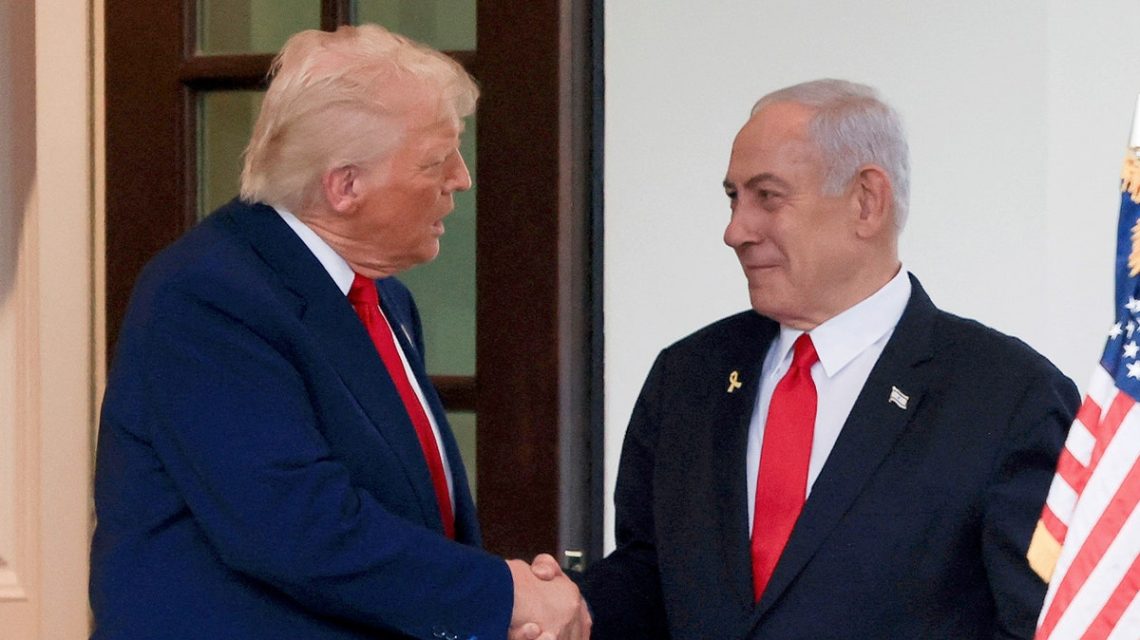
The alliance between the United States and Israel has faced significant tests. Both nations have found a common opponent in Iran, but defending Israel heavily relies on American arms supplies. This ongoing conflict raises questions for Washington: What does the alliance offer, and what are the demands in return?
Strategic Asset or Costly Relationship?
Advancing American Freedom (AAF) and the Zionist Organization of America (ZOA) released a report on October 26, 2026, emphasizing Israel’s strategic role. The report describes Israel as the largest ‘U.S. aircraft carrier’ in the Middle East. However, critics argue that the alliance imposes financial burdens on the U.S. with limited returns.
Public support for Israel has declined across various political groups, including among Republicans and MAGA supporters. During the Trump administration, discussions about military aid arose, highlighting the complexity of the relationship.
Defense and Intelligence Cooperation
The report points to several benefits, such as shared intelligence, weapon development, and military cooperation. A notable example is missile defense systems like David’s Sling and Arrow. American companies participate in these programs, with over 100 involved across 34 states. In Arkansas, a Raytheon-Rafael facility recently produced the first Iron Dome Tamir interceptor built entirely in the U.S.
These projects bolster U.S. manufacturers and integrate the Pentagon into missile-defense system development. However, the U.S. has used significant quantities of interceptors in conflicts, leading to challenges in replenishing these stocks.
Rebuilding Stockpiles
The Congressional Budget Office estimated that between half and two-thirds of Patriot, THAAD, SM-3, and SM-6 interceptors have been used since mid-2025. Rebuilding these stocks could take at least five years, even if production speeds up.
Intelligence sharing also offers value. Former CIA Director John Brennan acknowledged Israeli intelligence contributions in finding Usama bin Laden. Yet, the extent of Israel’s input remains unspecified.
An example of their cooperation occurred when Israeli officials warned of a potential Iranian plot against Trump. Although U.S. agencies could not confirm the threat’s accuracy, precautions were taken based on the warning.
Financial Dynamics of the Alliance
The financial aspects of the U.S.-Israel alliance fuel ongoing debates. Under the current agreement, the U.S. provides $3.3 billion annually for Foreign Military Financing and $500 million for joint missile-defense programs. Most of this aid supports U.S. defense contractors.
The funding scheme is set to change by 2028. AAF and ZOA argue that this aid brings significant returns on investment. Both Trump and Netanyahu have signaled intentions to end or reduce aid, seeking a balance between direct assistance and joint projects.
Political Implications
The political landscape reflects rising scrutiny of the alliance. A 2026 Chicago Council survey revealed that 56% of Americans support reducing or ceasing military aid to Israel. While Republicans largely support the alliance, figures like Joe Kent and Rep. Thomas Massie advocate for change. Vice President JD Vance maintains Israel is a strategic ally while suggesting alterations to the relationship.
Despite shared efforts against Iran, differences have emerged in strategic objectives during conflicts. The Stimson Center noted that Israel sought a broader conflict scope than preferred by Washington.
Future arrangements will clarify whether the alliance emphasizes grants or joint development. The military and intelligence cooperation requires U.S. resources, compelling Washington to assess the alliance’s benefits against its associated costs.
 Hegseth Avoids Impeachment Effort
 Mother Criticizes California Governor Over Death Sentence Commutations
 Confusion Over Istanbul Lioness Search
 Elderly Man with Alzheimer’s Survives 11 Days in Amazon Rainforest
 Legal Challenges Stall Construction of Trump’s Memorial Arch
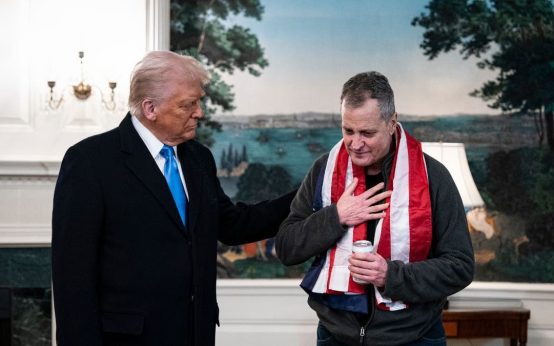 Trump Welcomes American Released from Russian Imprisonment