There is a term often mentioned in discussions about social support systems: “welfare queen.” This phrase, which gained popularity in the 1980s, conjures up negative stereotypes, although in reality, it sometimes accurately describes those who exploit the system. However, it is important to recognize that many individuals genuinely strive to break free from this dependency.
In my work, I have encountered single mothers who juggle multiple jobs, carefully manage their finances, and save to transition away from welfare. Their determination to end the cycle of reliance is admirable. They do not fit the “welfare queen” stereotype, embodying resilience and ambition instead.
The major recipients of government support in the city are not these hardworking mothers, but rather the politicians who manage significant municipal debt. Chicago’s debt, now over $55 billion, grows with the seeming prioritization of political agendas over community needs.
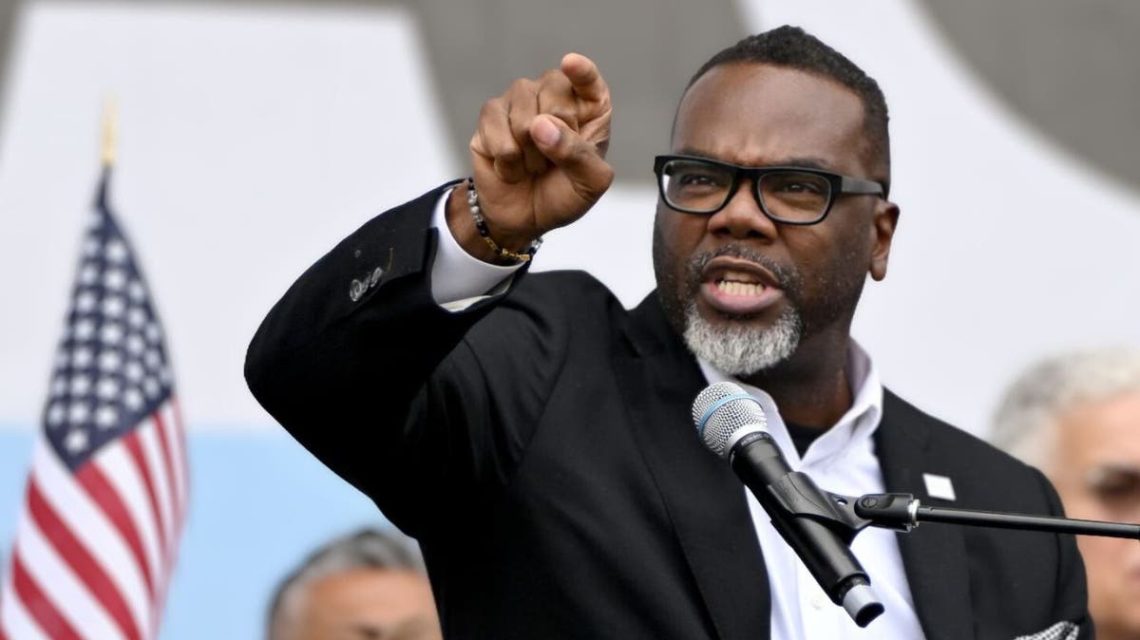
Since Mayor Brandon Johnson assumed office in 2023, the debt has increased by an additional $1.9 billion. The current budget allocates billions to service debt and pension obligations. Yet, there is little indication that resources are directed towards improving the conditions of the most underserved communities.
The city’s financial strategies include borrowing to resolve police misconduct cases and other liabilities. In 2026, a settlement with former Detective Reynaldo Guevara cost $260.8 million alone. Additionally, back pay for firefighters, amounting to $166 million, was inadequately planned.
Efforts to generate revenue through refinancing and asset sales have been ineffective, leading to a significant budget deficit. Despite this, there is a lack of fiscal restraint within City Hall. There have been no staff reductions or pay freezes among government employees, while budget adjustments impact neighborhood resources.
In a recent development, Chief Financial Officer Ashlee Gabrysch resigned after three months. Her departure underscores concerns about financial transparency and accountability. She emphasized issues with borrowing strategies being unsustainable.
Despite the challenges, community-driven initiatives have proven effective. On the South Side, we have built a community center without governmental aid, offering education and opportunities to youth. Our success exemplifies the ability of local associations to drive meaningful change.
This aligns with Alexis de Tocqueville’s observations about Americans forming associations for communal improvements. Such community efforts can counteract growing government dependency and mismanagement.
Encouraging self-reliance and communal responsibility offers an alternative path to progress, especially as governmental promises of improvement through increased taxes and spending often fail to deliver.
In striving to address these issues, there remains hope in collective action and local empowerment, evidenced by our work transforming the South Side of Chicago.
 Nvidia’s CEO and the Stock Market Rollercoaster
 Turkeys Enjoy Luxurious Stay Before White House Pardoning
 California’s Electricity Rate Hikes Amid Commission Changes
 Trump Welcomes American Released from Russian Imprisonment
 Thanksgiving Travel Costs Surge Amid Elevated Fuel Prices
 Unclaimed Cash to Heat Homes in Maine