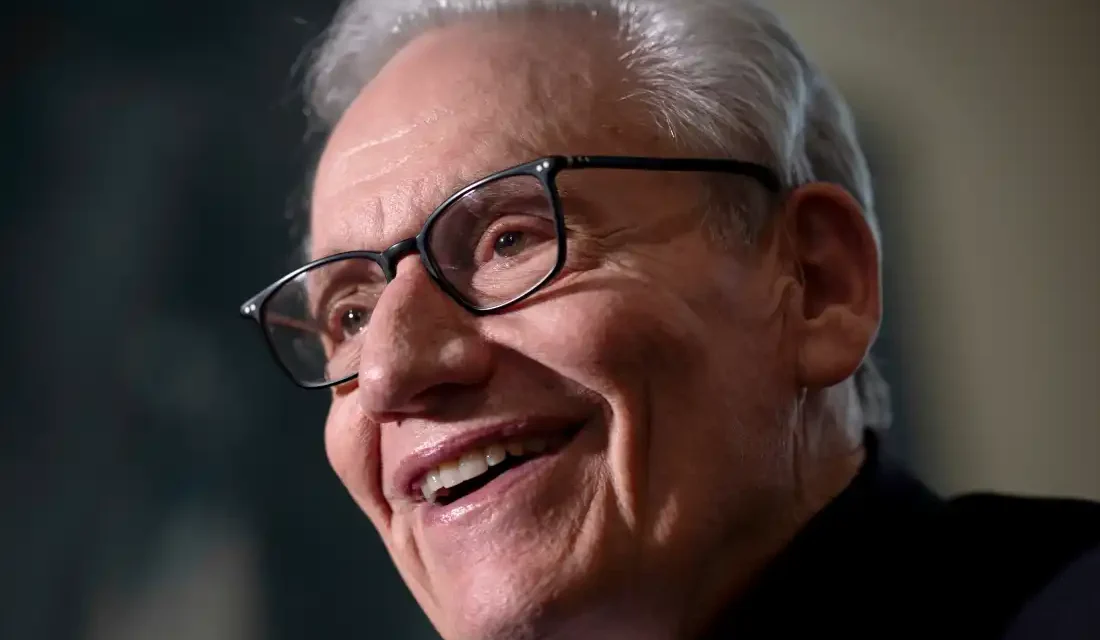
For over fifty years, Bob Woodward has documented the lives of those in power. He made history with Carl Bernstein by uncovering the Watergate scandal, which led to President Nixon’s resignation. Now, at 83, Woodward reflects on his own life in his new book, Secrets: A Reporter’s Memoir. The book, released Tuesday, explores the personal experiences and decisions that shaped his journalism career, along with mistakes he acknowledges.
In an interview with Morning Edition, Woodward stated he has never concluded an interview as there are always more questions. This curiosity has driven his reporting, including his books revealing insights about American presidents. His memoir discusses his upbringing in a fractured family, unexpected career-changing encounters, trusted sources, and stories he regrets mishandling. After 55 years with The Washington Post, Woodward invites reflection on the essence of good journalism amid challenges faced today.
Woodward discloses some of his anonymous sources, raising ethical questions about their confidentiality posthumously. He argues these individuals sought truth. In instances where sources have passed away, he feels justified in revealing them. In his portrayal of the Clinton administration, Woodward missed the broader story of peace and prosperity, an oversight he now recognizes.
During the Iraq War buildup, Woodward recounts an error in his reporting. Critical information—lack of evidence on Iraq’s weapons—was buried deep in his article rather than highlighted. The memoir revisits the Watergate era when he and Bernstein dedicated weeks to single stories. Woodward worries the internet’s rapid pace undermines depth in reporting, noting impactful journalism requires time.
He criticizes Jeff Bezos for not defending the press during Trump’s attacks while commending Bezos for not meddling in The Washington Post’s operations. Woodward traces his investigative roots to childhood in Wheaton, Illinois, where he discovered family secrets himself.
After Navy service, Woodward chose reporting over Harvard Law, going against his father’s advice. His passion for journalism comes from engaging with people at pivotal moments in their lives. Despite technological shifts in journalism, Woodward values direct human interaction.
Woodward visited NPR, aided by a companion carrying a cane for support. His commitment to human-centered journalism remains unwavering. NPR invites viewers to watch an extended video conversation with Bob Woodward in their app.
 Dog Assists Virginia Teen in Walking Again After Spinal Cord Stroke
 Elizabeth Smart Reveals Captor’s Disturbing Plans
 Golden Retriever Saves Toddler from Drowning
 Gisèle Pelicot’s Battle Against Unauthorized Use of Her Story
 The Rohingya Refugee Crisis and Bangladesh’s Response
 Brian Horn to Lead Evergreen Park High School as New Superintendent