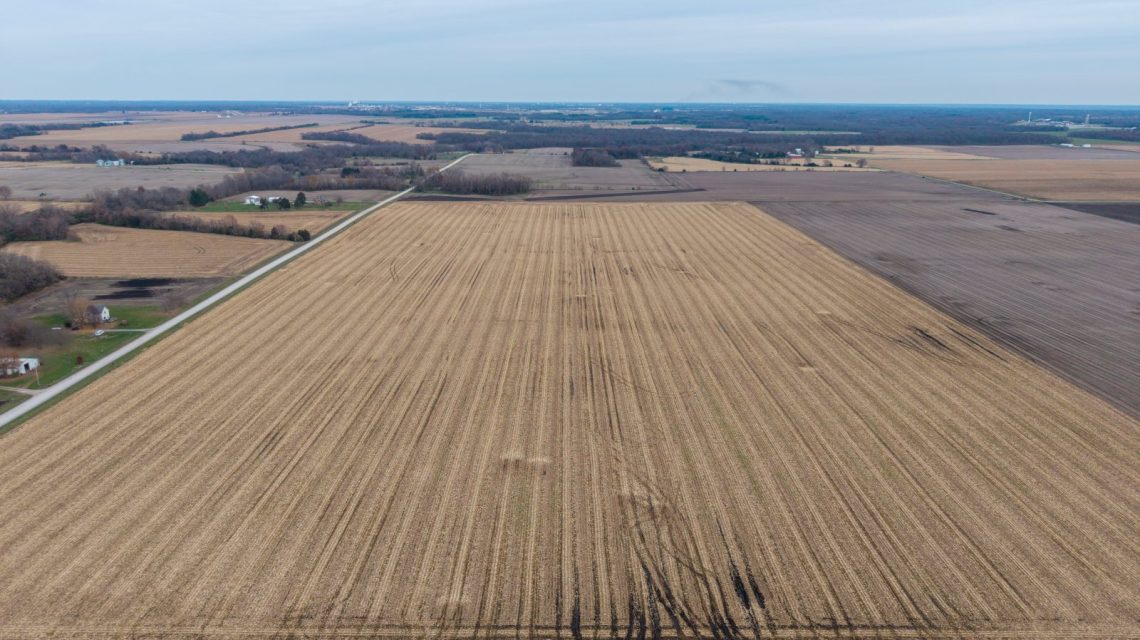
The U.S. Army plans to detonate unstable explosives at an ammunition plant in Iowa, raising food safety concerns in the region. Five tons of lead azide, stored in 68 barrels, will be destroyed at the Iowa Army Ammunition Plant near Middletown. Transportation of the material is unsafe, leading to the decision for on-site detonation.
Farmers and state officials have expressed anxiety due to the detonation’s proximity to livestock and cropland. The site is central to major U.S. corn and soybean production, as highlighted by a Newsweek map. Federal agencies assure that safety measures are in place.
Iowa plays a vital role in U.S. agriculture, with 12.4 million acres of corn and 10 million acres of soybeans harvested in 2022. The state leads in hog production and contributes significantly to the national beef and egg supply. Wind projections from regulators suggest that the explosion’s plume could reach parts of Missouri.
The USDA estimates that about 350 farms may be impacted. State regulators work with federal officials to prevent heavy metals from entering the food chain. Guidance suggests relocating livestock and keeping them indoors until the area is deemed safe.
The USDA recommends, “Move livestock to a barn or shelter if possible. Keep them there until cleared by authorities.”
An alert on Tuesday warned residents within five miles of the plant of potential evacuation. Those further away were advised to stay indoors with windows closed. Newsweek has reached out to relevant associations for further comments on risks to livestock and farmland.
Risks to Food Supply
Federal officials emphasize precautions to prevent lead contamination of food supplies. Des Moines County, the detonation site, is known for its extensive corn and soybean crops. Farmers worry about the timeline for testing livestock, forage, and environmental samples.
The USDA advises protecting feed supplies and agricultural resources from airborne contamination. Vets should monitor livestock for signs of lead poisoning. Testing methods include blood samples for live animals and kidney and liver samples post-mortem. No slaughter restrictions or compensation programs are confirmed beyond the Army’s standard claims.
Contamination could settle on pastures, hay, and water sources. Lead accumulates over time, yet detection timelines remain unestablished. No thresholds for contamination leading to restrictions have been specified. The Iowa Poison Control Center advises washing produce thoroughly post-clearing.
A health note from HHS indicates lead poisoning often results from prolonged exposure. Measures include blast barriers and materials to absorb lead dust. Army Secretary Adam Telle stated, “Controlled detonation is the safest approach.”
Expert Insights and Concerns
Professor Dirk Maier from Iowa State University explained that, fortunately, main crops have been harvested, reducing residue risks. Farmers should turn off aeration fans during the blast.
Limitations exist in confining livestock. Farmer Tim Meyer highlights challenges in securing all livestock indoors. He advises outdoor caution, especially for children during the event.
Iowa Secretary of Agriculture Mike Naig calls for potential compensation if damages occur. He notes the need for timely communication and thorough assessments post-detonation.
“Post-detonation actions are crucial,” Naig emphasized.
The Army confirms the blast is scheduled for 9 a.m. Central Time on Wednesday.
 Understanding the Health Impacts of Skipping Meals
 Veterans and Medicare: Key Insights for Turning 65
 Florida Attorney General Seeks License Revocation for Doctor Over Illegal Abortion Allegations
 Impact of Medicaid Coverage Loss on Legal Immigrants
 Concerns Over Army’s Plan to Detonate Explosives in Iowa
 The Growing Influence of the MAHA Movement