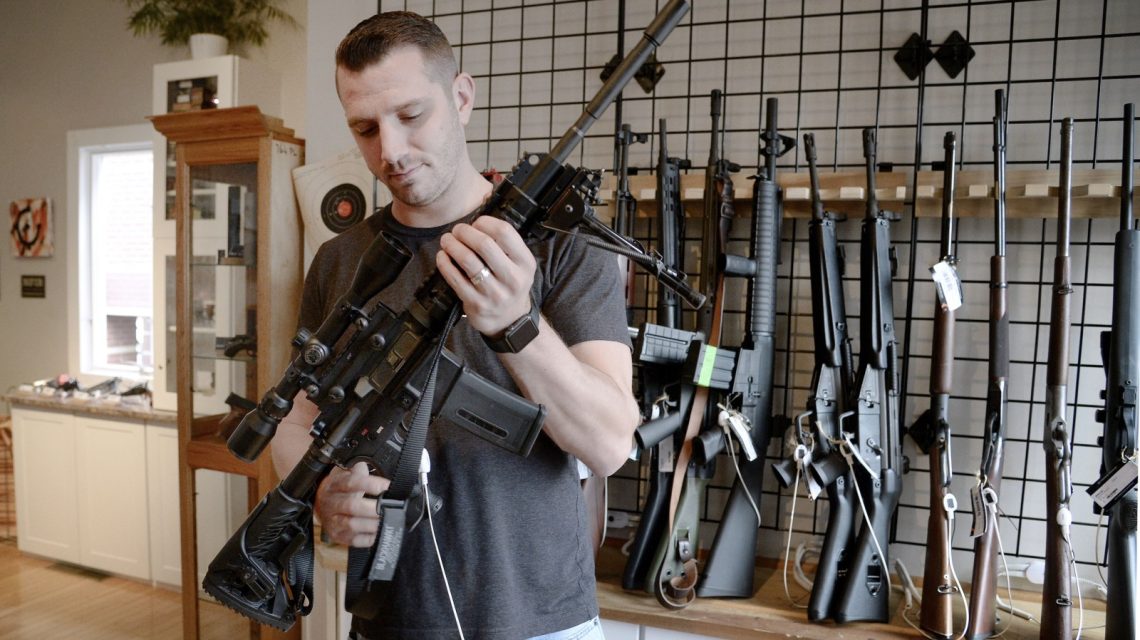
The Virginia Supreme Court has issued a significant ruling affecting those with felony convictions and their right to own guns. The court determined that the state’s law banning felons from possessing firearms violated the Second Amendment of the U.S. Constitution. This decision means that individuals in Virginia with felony records can retain their gun rights unless a judge deems them dangerous to others.
Justice Wesley Russell highlighted that prohibitions against felons possessing firearms emerged from 20th-century legislative actions. Under existing state law, it remains illegal for anyone with a criminal conviction to own a firearm or ammunition without first taking legal steps to regain this right.
Legal experts have pointed out that the ruling complicates the efforts of prosecutors. They must now provide proof that a defendant poses a danger to others, which is challenging without prior convictions for violent acts.
Implications of the Ruling
Mario Lorello, a criminal defense lawyer from Virginia Beach and a former prosecutor, emphasized the ruling’s significance. He noted its potential to alter the prosecution of felons significantly within the state. He mentioned that while the decision might not impact those with violent pasts, it holds considerable importance for those with nonviolent convictions, such as drug offenses.
The ruling leaves room for prosecutors to argue dangerousness based on prior convictions or other criminal activities. However, Lorello acknowledged the inherent difficulties in mounting these cases. He emphasized the burden placed on lower courts and attorneys to interpret and apply this ruling effectively.
The Case Behind the Decision
This landmark decision stems from a case involving Derek Wade Ginevan from Frederick County, Virginia. Charged with possessing a weapon as a felon, Ginevan has a history of offenses including drugs and fraud. Police discovered a shotgun in his possession during a domestic incident.
Ginevan’s legal team argued that his previous charge involving ammunition should not be classified as a violent crime. This claim led the court to assert that he, like others with nonviolent pasts, should be protected under the Second Amendment. The Supreme Court found no evidence indicating Ginevan posed a credible threat to public safety.
 Lindsay Clancy’s Retrial Scheduled for March 2027
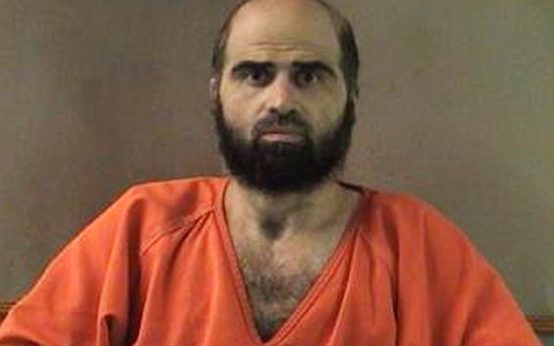 Fort Hood Shooter Requests Execution Delay to Contest Death Sentence
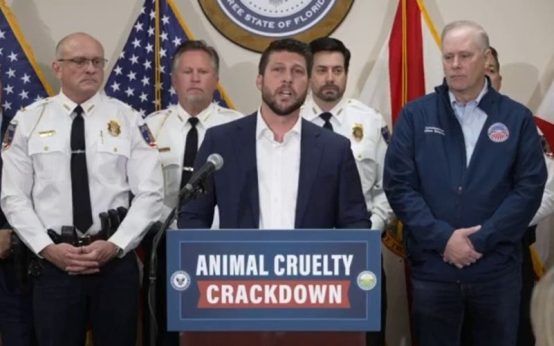 Six Arrested in Florida Slaughterhouse Cruelty Case
 Texas Authorities Investigate Death of Cowboys Fan
 Tomasz Kosowski Sentenced to Death for Murder of Stephen Cozzi
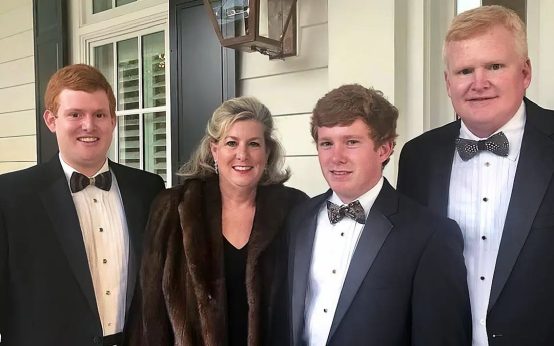 Murdaugh Defense Challenges Grand Jury Testimony