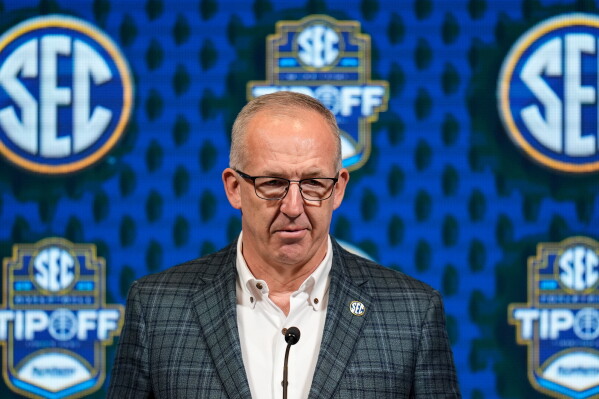
WASHINGTON (AP) — A significant development in the ongoing debate about college sports reform has emerged with the introduction of a bipartisan bill by Senators Ted Cruz, R-Texas, and Maria Cantwell, D-Wash. Their efforts aim to address the congressional impasse shaping these crucial sports issues.
The proposed bill aims to regulate athlete payments, restrict them to a single ‘free’ transfer across their careers, and enforce a ‘Lane Kiffin Rule’ to limit coach movement during the season. Speaking with The Associated Press, Cruz emphasized the bill as a move towards stability, rather than purely focusing on name, image, and likeness (NIL) payments. Cantwell noted collaboration with Cruz due to a mutual belief in the chaotic state of the college sports system.
The draft incorporates elements from previous legislative proposals, SCORE and SAFE, that have stalled over recent months. It aligns with certain NCAA-supported measures, providing limited antitrust exemptions and addressing inconsistencies in state regulations around NIL. Meredith Page, chair of the NCAA Division I Student Athlete Advocacy Committee, praised the bill for its potential to stabilize the currently unstable field.
NCAA President Charlie Baker stated the association’s interest in further discussions with Congress regarding the proposal, as college sports face mounting challenges such as rising player payment costs and issues in the transfer portal impacting smaller sports essential to the U.S. Olympic network.
The Protect College Sports Act offers targeted antitrust protection for NCAA and the College Sports Commission in exchange for athlete protections, including health insurance guarantees, stricter NIL deal regulations, and scholarships. Cantwell pointed out the need for better predictability amidst numerous program and athlete cuts.
The legislation restricts players to one unrestricted transfer during college and adopts a near five-year eligibility period anticipated by the NCAA. Additionally, it seeks to regulate coaching changes to prevent midseason shifts, as evident in recent coaching movements sparking controversy.
The bill proposes changes to the Sports Broadcasting Act, allowing conferences to pool TV rights, projecting potential economic benefits. Proponents argue this could benefit women’s and Olympic sports, though this could be contentious amidst SEC talks about possible NCAA departure and athlete collective bargaining.
Despite some support, past efforts like the SCORE Act faced democratic opposition and were removed from the House schedule following criticism from the Congressional Black Caucus and NAACP. Cantwell maintains a unified goal with these entities to halt the SCORE Act.
The bill remains neutral on classifying college athletes as school employees but hasn’t resolved all Democratic concerns. Sen. Chris Murphy, D-Conn., voiced opposition due to perceived advantages for NCAA executives over student-athletes. Missouri attorney Mit Winter expressed skepticism regarding the bill’s prospects, particularly around granting antitrust exemptions to the NCAA.
AP College Sports Writer Eric Olson contributed to this report.
___
For additional college sports news, visit AP College Sports.
 Alani Bankhead Faces Allegations and Campaign Challenges in Montana
 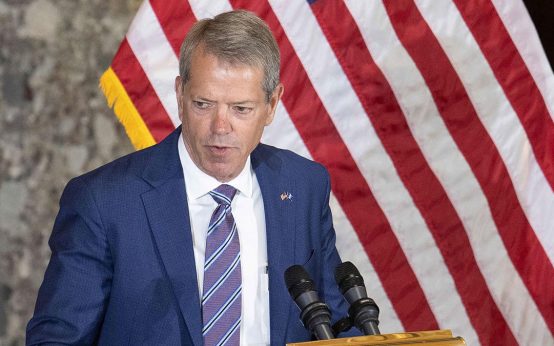 States Take Action Against Cash Welfare Abuse
  Global Coordination Behind Anti-Israel Protests
 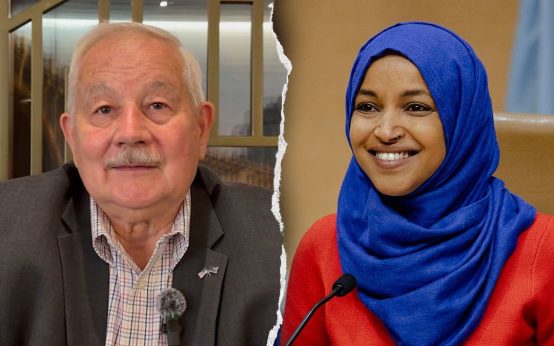 Violence in Twin Cities Spurs Criticism from GOP Candidate
 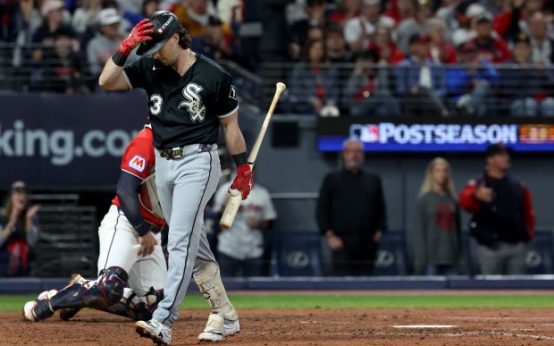 Cleveland Guardians Oust Chicago White Sox from Postseason
  Jack Smith’s Political Involvement and Controversial Actions