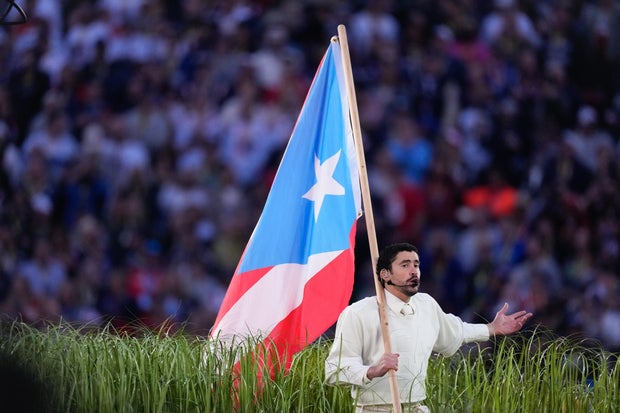
As the world eagerly awaited the 2026 Super Bowl halftime show, the spotlight was firmly on Bad Bunny, the Puerto Rican sensation known for blending reggaeton with sharp social commentary. His recent ‘ICE Out’ proclamation at the Grammys had elevated expectations for a politically-charged performance at the big event.
Petra Rivera-Rideau, an American studies professor with expertise in Latin music and U.S.-Latinx pop cultures, emphasized that Bad Bunny is known for his unpredictable and thought-provoking artistry. Despite this, creative figures like Mike Alfaro, who gained attention for translating Bad Bunny’s lyrics into English, suggested that the artist’s presence alone speaks volumes as a political statement.
Bad Bunny’s appearance during the Super Bowl LX halftime show in Santa Clara, California, set the stage for a historic moment. While the decision to feature an artist primarily performing in Spanish thrilled many, it also drew criticism. In particular, former President Trump condemned the lineup, which included Green Day in the pregame festivities, branding it a ‘terrible choice.’ Conversely, NFL Commissioner Roger Goodell praised Bad Bunny for his ability to bring people together through music and creativity.
Throughout his career, Bad Bunny has boldly addressed political issues, often challenging mainstream American politics. He has continuously shown his commitment to advocacy, from highlighting Puerto Rico’s recovery struggles after Hurricane Maria to supporting protests against local government officials. His music often serves as a powerful tool in mobilizing Puerto Rican pride and political awareness.
His latest projects, including the album with tracks like ‘LO QUE LE PASÓ A HAWAii,’ confront issues such as gentrification on the island, demonstrating his ongoing commitment to social commentary. Moreover, he integrates cultural elements, like the Afro-Puerto Rican music genre Bomba, to create inspiring dialogues with his audience.
In 2019, during great political upheaval in Puerto Rico, Bad Bunny participated in the protests, joining the public call for the resignation of Governor Ricardo Rosselló. Collaborating on protest anthems, and using global platforms to advocate for social justice, he has etched his role as more than just a musician but a significant political voice.
His performance at the Super Bowl marks a pivotal moment, particularly for the Latino community in the U.S. Spanish is the most frequently spoken non-English language here, making this cultural representation vital,Rivera-Rideau noted.
The excitement surrounding Bad Bunny’s show extends beyond music. It has sparked a broader interest in learning Spanish, underscoring the artist’s influence. Language-learning app Duolingo reported a substantial rise in users engaged in Spanish courses, a testament to the power of music as a bridge between cultures.
This event not only highlights the significant impact of Latino artists on a global stage but also celebrates their enduring cultural contributions. For many fans, the presence of a Latin artist at such an iconic event affirms their heritage and identity, carrying a message of unity, cultural pride, and inspiration.
 The Life and Career of James Van Der Beek: From Actor to Advocate
  Robert Irwin Reflects on ‘Dancing with the Stars’ and Life in Los Angeles
  WWE Legend Fred Ottman Faces Health Challenges
 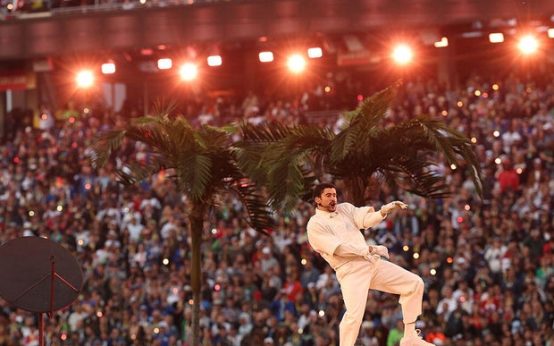 Super Bowl LX’s Halftime Spotlight: Bad Bunny’s Unique Performance
 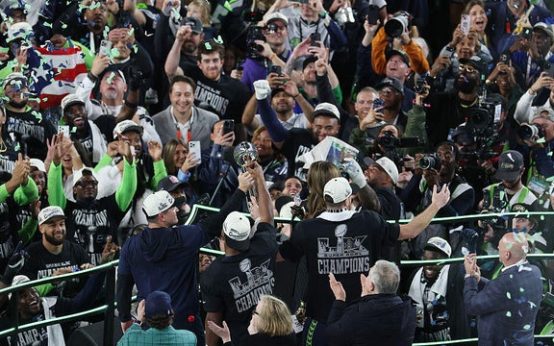 Seahawks Clinch 2026 Super Bowl with Strong Defense Against Patriots
 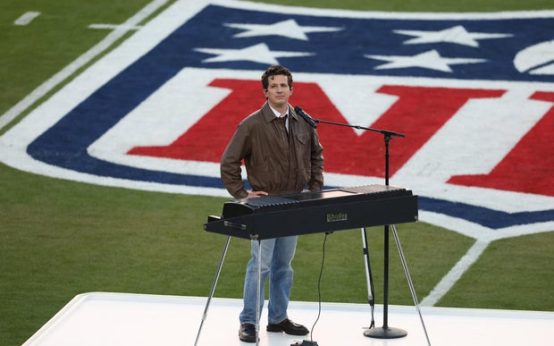 Charlie Puth’s Memorable Super Bowl National Anthem Performance