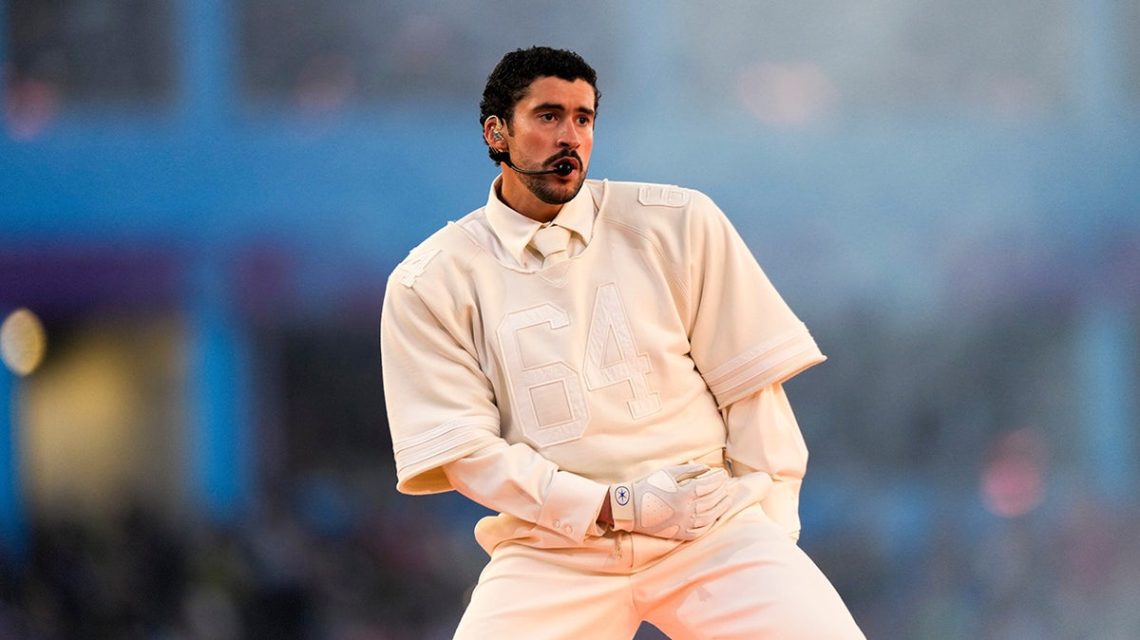
Bad Bunny’s Super Bowl halftime performance has sparked significant discussion and divided opinions. While some anticipated the event with excitement and others with skepticism, the show can be described as both polarizing and perplexing for those not already fans of the artist. Roger Goodell, the NFL Commissioner, had declared that Bad Bunny’s performance would unite people “creatively and joyfully.” Although this expectation was not entirely met, it did bring about a form of unity: the widespread disapproval it received.
The lead-up to the show saw considerable buzz, particularly after Bad Bunny’s assertion on “Saturday Night Live” that viewers should “learn Spanish”—a sentiment he later modified in a press conference before the Super Bowl. Moreover, rumors spread online suggesting he would wear a dress and honor Hispanic LGBTQ+ icons during his performance. However, these rumors turned out to be unfounded.
“Bad Bunny’s Super Bowl halftime show sparked fury and divided opinions.”
The performance, held at Levi’s Stadium in Santa Clara, California, where the New England Patriots faced off against the Seattle Seahawks for Super Bowl LX, condensed elements of Bad Bunny’s concert series in Puerto Rico. The show initiated with a visually rich walk through a sugar cane field, incorporating iconic Puerto Rican imagery, such as a coconut water stand and a domino table, as he performed “Tití Me Preguntó (Auntie Asked Me).” This was followed by a seamless transition into other hits and nods to 90s and early 2000s reggaeton, briefly featuring two individuals dancing closely.
Although the general public missed out on most of the show’s message due to the language barrier, an important part of Bad Bunny’s narrative was his self-affirmation and encouragement for others to believe in themselves. Expressing sentiments of perseverance, he stated, “My name is Benito Martinez Ocasio. And if I’m here today at Super Bowl LX, it’s because I never, never stopped believing in myself. You should also believe in yourself. You’re worth more than you think. Believe me.”
A high point in the performance involved an appearance by Lady Gaga, joining a salsa ensemble for “Die With a Smile,” on a stage crafted to resemble the historical El Morro fortress in Old San Juan. This moment seemed to resonate widely with the stadium audience.
The narrative took a controversial turn when Ricky Martin contributed to the chorus of “Lo Que Le Pasó a Hawaii,” a song interpreted as a critique of U.S. policies and influence, and echoing themes of Puerto Rican independence—a subject of political sensitivity, given current sentiment among Puerto Ricans.
The finale of Bad Bunny’s show included a portrayal of power outages and a prominent display of his Grammy quote: “The only thing more powerful than hate is love,” before exiting the stage with supporters carrying flags. His final exclamation of “God Bless America!” was interpreted by some as a broader reference to the Americas rather than specifically the United States.
The choice to have Bad Bunny headline the Super Bowl halftime show raises questions about the motivations and implications of such decisions, given his polarizing portrayal of identity politics. With the NFL’s ongoing aim to extend its reach into Latin American markets, choosing Bad Bunny seemed a strategic move to capitalize on his popularity in key areas, such as Mexico. However, the outcome of the performance appeared to diverge from the unifying intention.
Jorge Bonilla, a news analyst at the Media Research Center and radio host, has expressed concern regarding the direction of future NFL halftime shows, especially regarding how they may align with the audience’s expectations.
 The Life and Career of James Van Der Beek: From Actor to Advocate
 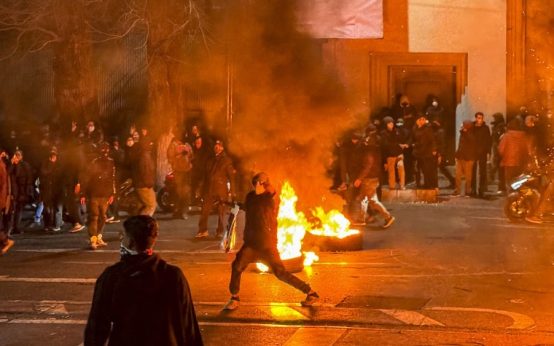 Tensions Between the U.S. and Iran: Navigating Protests and Military Pressure
 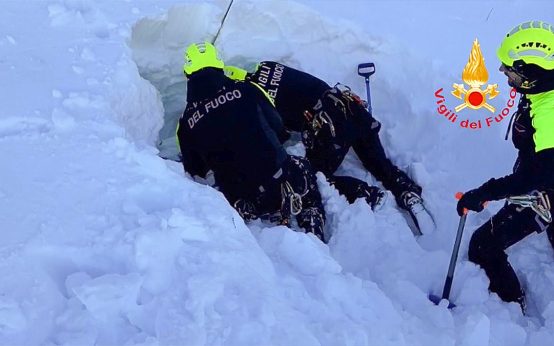 Rescuers Respond to Avalanches in Italy Amid Safety Concerns
 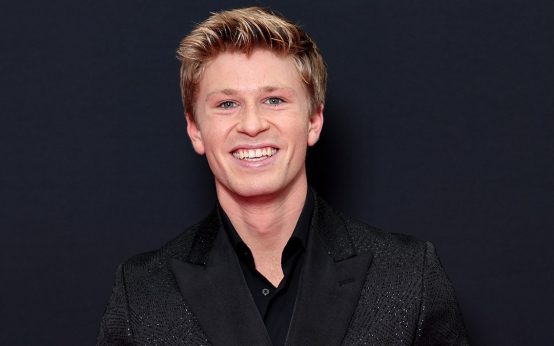 Robert Irwin Reflects on ‘Dancing with the Stars’ and Life in Los Angeles
 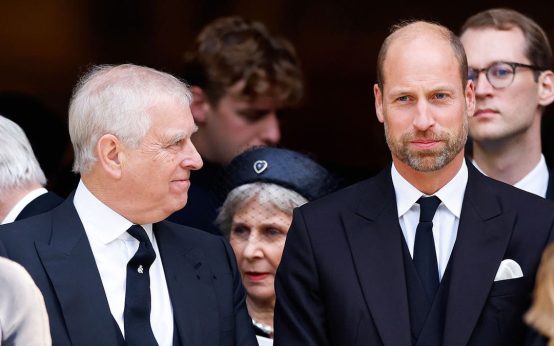 Prince William Stands Firm Against Prince Andrew Amid Epstein Scandal
 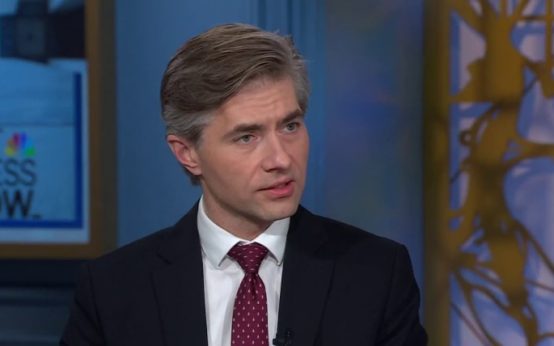 Tragic Impact of Russian Drone Strike on Ukrainian Family