
In a recent address, Cuban President Miguel Díaz-Canel announced that Cuba is bracing for significant fuel shortages. He attributed these issues to measures enacted by the Trump administration, which have severely impacted oil supplies to the island. The president criticized the United States for implementing policies that he described as detrimental to Cuba’s essential sectors such as food supply, transportation, healthcare, education, and economic production.
Speaking during a nationally televised news conference, Díaz-Canel emphasized the need for temporary measures to cope with the crisis, even though they would demand sacrifices from the Cuban people. He stated the government’s commitment to rolling out a contingency plan in the coming week to manage the situation.
“It is reprehensible that a power such as the U.S. would adopt such a criminal policy against a country, as it affects food, transportation, hospitals, schools, economic production, and the functioning of our vital systems,” said Díaz-Canel.
The president expressed his willingness to engage in dialogue with the United States on various issues but insisted that such discussions occur without external pressure and with respect for Cuban sovereignty. He emphasized that Cuba is a nation of peace and does not pose a threat to the United States, backing his stance with a call for preparedness in case of potential conflict.
During the same day, White House press secretary Karoline Leavitt reiterated President Donald Trump’s assertion that Cuba’s government is on the verge of collapse. Leavitt noted the U.S. President’s openness to diplomatic exchanges with Cuba, reinforcing claims of ongoing interactions between the two countries despite the lack of formal negotiations.
Cuba has faced an ongoing fuel supply challenge since Venezuela ceased oil shipments in December. The interruption followed a U.S. military operation capturing former Venezuelan President Nicolás Maduro, which subsequently became a pivot for U.S. attention on Cuba.
In response to the anticipated fuel shortages, the mood in Havana has been grim. Citizens expressed concerns over the bleak prospects for the future, reflecting fears of worsening conditions in everyday life. Frank Palomares, a publicist, highlighted the potential for delayed improvements, while university student Melani Alarcon lamented the possible impact on education.
The Trump administration has broadened its focus to include Cuba, with President Trump labeling the nation as ‘failing’ and suggesting an impending government downfall. Meanwhile, Mexico, historically a key supplier, showed solidarity by proposing humanitarian aid following a request from Trump to halt oil exports to Cuba.
Amid escalating U.S.-Cuba tensions, Díaz-Canel’s unexpected press conference underscores the mounting economic and social pressure that Cuba faces, compounded by U.S. sanctions, the aftermath of the COVID-19 pandemic, and persistent shortages in essential goods.
Carmen Sesin and Orlando Matos contributed to this report from Miami and Havana, respectively.
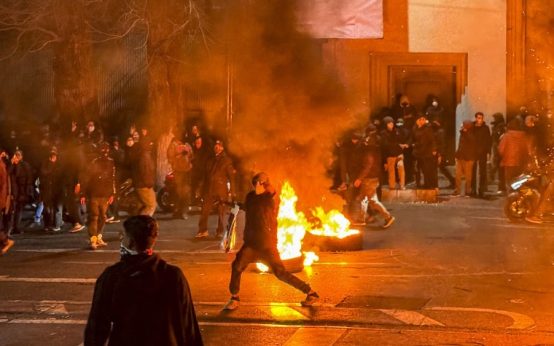 Tensions Between the U.S. and Iran: Navigating Protests and Military Pressure
 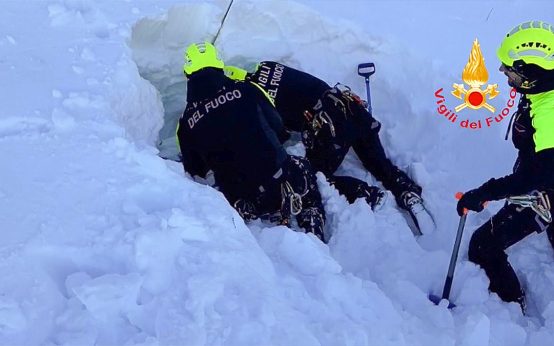 Rescuers Respond to Avalanches in Italy Amid Safety Concerns
 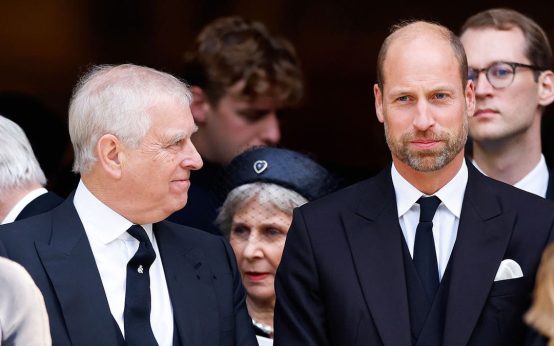 Prince William Stands Firm Against Prince Andrew Amid Epstein Scandal
  Tragic Impact of Russian Drone Strike on Ukrainian Family
 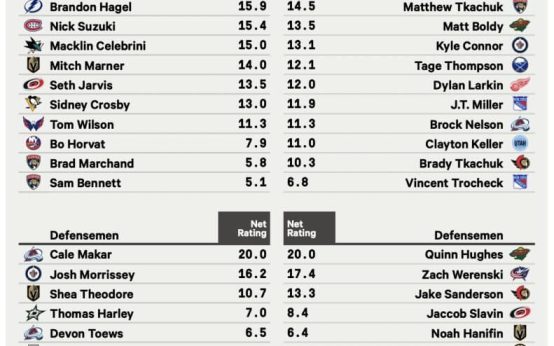 NHL Players Set to Return for 2026 Olympic Hockey in Milan
  European Hockey Players Look to Olympics for NHL Opportunities