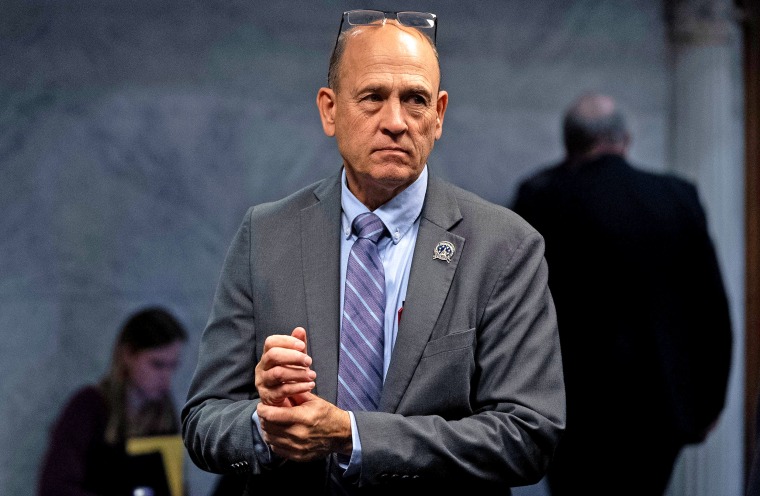
Last month, an Indiana state senator, Spencer Deery, proposed an educational initiative aimed at reducing poverty through what’s known as the ‘success sequence.’ This concept suggests that young people can achieve financial stability by following a three-step process: complete a high school diploma, secure a full-time job, and get married before having children. Deery, a Republican, passionately argued that nearly all students who adhere to this sequence will avoid poverty, stating that the chance of them being poor is almost zero.
The success sequence theory, which has gained traction among conservatives, is supported by research from the American Enterprise Institute and the Institute for Family Studies. Their studies claim that 97% of millennials who follow these steps have avoided poverty by their early 30s. However, the research also notes a significant risk of financial instability for those who have children before marriage.
“Some of the things that we throw at trying to fix poverty are well-intended, but not always effective,” Deery stated, emphasizing the low cost and potential high reward of the success sequence approach.
Despite its supporters, the success sequence has its share of critics. Opponents argue that the method relies on flawed data, disregards racial disparities, and may unintentionally stigmatize students from single-parent households. Critics like Matt Bruenig, founder of the People’s Policy Project, contend that this approach shifts the responsibility of poverty onto individuals instead of addressing systemic issues. Bruenig argued that conservatives use this narrative to oppose expanding public benefits.
The idea of the success sequence emerged over two decades ago, gaining momentum after the Brookings Institution, a centrist think tank, endorsed it in 2009. It received further attention with model legislation from the Heritage Foundation, aiming to incorporate it into the Republican policy framework called Project 2025. Various states, including Indiana, Utah, Alabama, and Tennessee, have considered or passed related educational measures.
In Indiana, Senate Bill 88 passed the state Senate with a vote of 39-9, moving to the state House next. Republican state Sen. Gary Byrne, the bill’s sponsor, advocates for including the success sequence in ‘good citizenship’ education, emphasizing its capacity to promote family stability. However, Democratic opponent Sen. Shelli Yoder warns it may inadvertently label students from unmarried families as bad citizens.
Jonathan Butcher of the Heritage Foundation believes teachers can address this topic sensitively and appropriately, arguing that it should not insult anyone. He insists that withholding such important information from young people would be a disservice.
Research on the success sequence’s effectiveness presents mixed results. A 2021 Department of Health and Human Services-funded study showed that these life milestones correlated with reduced poverty, regardless of their order. Meanwhile, a 2015 Brookings Institution study noted that Black Americans following the steps are less likely to achieve middle-class status than their white counterparts.
Despite these criticisms, Sen. Byrne sees the success sequence as a valuable tool for students to break free from poverty. He remains optimistic about its potential to aid children in achieving financial success.
Elizabeth Chuck, an NBC News reporter, explores health and mental health topics, with a particular focus on issues impacting women and children.
 Federal Reserve Maintains Interest Rates Amid Economic Developments
  Bipartisan Legislation Targets Data Center Power Usage to Protect Consumers
  Democratic Candidates Debate Corporate PAC Contributions in Michigan Senate Race
  Senator McConnell Discharged from Hospital, Working from Home
  Former Deputy Announces Congressional Bid in Virginia
  House of Representatives Advances Voter ID Bill for 2026 Elections