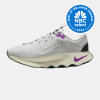
For those who aren’t inclined towards running, cycling, or swimming, brisk walking serves as an excellent method for adults to meet the Center for Disease Control and Prevention’s recommended 150 minutes of moderate exercise each week. Walking not only gets your blood circulating but also enhances sleep quality, strengthens bones, boosts energy, and regulates blood pressure, as stated by the American Heart Association. All you need are reliable walking shoes, whether you prefer stepping out in the fresh air or using a treadmill indoors.
Key Factors for Choosing Women’s Walking Shoes
To assist in finding comfortable and supportive women’s walking shoes, insights from podiatrists provide guidance on what to consider while shopping. Recommended factors include:
- APMA Seal of Acceptance: Brands can opt to submit their shoes to the American Podiatric Medical Association (APMA) for evaluation. A positive APMA assessment signifies that the shoe promotes foot health. However, the absence of this seal doesn’t imply inferiority, merely a lack of submission for review.
- Material: The ideal material depends on walking surfaces—pavement, treadmills, or rugged trails—and weather conditions. Breathable materials such as mesh suit warmer climates, while leather offers durability for challenging terrains.
- Traction: Shoes should provide a firm grip to prevent injury. Rubber outsoles are advisable for trails and uneven surfaces, including asphalt tracks. Shock-absorbent rubber helps cushion each step.
- Cushioning: Comfort is largely influenced by the midsole padding, often made from memory foam, EVA, or gel, reducing impact with each step.
- Support: Proper support is essential for comfort, so shoes should match your foot’s arch type—high, neutral, or flat—and flex point.
- Insole: Memory foam or EVA insoles offer additional comfort and support. Consider shoes with removable insoles for those using custom orthotics.
- Heel Drop: This measures the height difference between heel and toe cushioning. A lower heel drop (no more than 8 millimeters) is often more comfortable for walkers who primarily strike with their heels.
- Weight: Ideally, women’s walking shoes weigh between 6.5 and 13 ounces. Lightweight shoes are preferable for speed walking and long-distance treks.
- Return Policy and Trial Period: Familiarity with these policies allows for ample test periods before making a decision.
Buying the Right Pair: Expert Picks
Each of the recommendations is assessed by podiatrists and NBC Select staff. Many shoes on the list carry the APMA Seal of Acceptance, confirming their foot health benefits following review by APMA podiatrists. These selections are available in full and half sizes and often come in various styles and patterns.
Shoes often need to be broken in before extensive use, a process suggested by wearing them a few hours daily for about a week to ensure optimal comfort and performance over longer durations.
Top Recommended Shoes
- Best Overall: Highly cushioned and providing a bouncy feel, these shoes feature a wavy-patterned outsole that offers great shock absorption. Their design propels the wearer forward, offering an enhanced walking experience.
- Best Budget Buy: These affordable sneakers, designed specifically around women’s foot shapes, offer a narrower heel, ample toe space, and high comfort with ample cushioning.
- Best Cushioning: Boasting exceptional cushioning, these shoes have a soft foam midsole, providing comfort and support for activities like long-distance walking or all-day standing.
- Best for Long Distances: With a plush, nitrogen-infused foam, these sneakers maintain comfort over lengthy walks, ensuring good support where it’s needed most to prevent fatigue.
- Best for Commuting: Featuring durable rubber outsoles and a convenient toggle lace system, these sneakers offer superior ease and comfort throughout the day, ideal for daily commutes and errands.
Understanding Foot Types and Fit
Your foot’s arch type largely determines how you should be selecting your walking shoes. Common foot types are pronounced by the rolling motion during walking:
- Pronators typically roll their foot inward more than usual and may benefit from firmer, supportive insoles.
- Supinators roll their foot outward and should seek extra heel cushioning.
- Neutral gaits evenly distribute impact, requiring well-cushioned shoes across the board.
Professional fittings can ensure proper shoe size and comfort, with evening fittings advisable to account for natural swelling in the feet.
Conclusion
Finding the right walking shoe is crucial for not just comfort but also to prevent potential injuries. Expert guidance and tailored recommendations are key, whether evaluating materials, fit, or brand offerings. By understanding your individual needs, the selection becomes manageable, ensuring sustained support and performance through every step.
 Guide to the Best Vacuums for Pet Hair
  Ultimate Guide to Finding the Best Drugstore Eye Creams
  Presidents Day 2026: Your Guide to the Best Deals and How to Save
  Florida Pizzeria Captures Attention with Unusual Iguana Pizza
  Exploring the Rise of Family Estrangement and Its Emotional Impact
  Explore Top Women’s Fragrances for Valentine’s Day