
Health and Human Services (HHS) Secretary Robert F. Kennedy Jr. made a significant declaration to cattle ranchers in Nashville, announcing that the “war on protein is over.” During a “fireside chat” with Buck Wehrbein, president of the National Cattlemen’s Beef Association (NCBA), Kennedy emphasized that “beef is back on the menu.” The discussion highlighted the crucial role of meat protein, as noted in an HHS news release about the event.
Dr. Oz recently criticized ‘white foods’ as contributors to obesity, stressing the impact of federal dietary guidelines on public perception. In contrast, Kennedy praised ranchers for being essential in the development of the new Dietary Guidelines for Americans, advocating for a nutrition framework founded on real and nutrient-rich foods.
The event, a major trade show, drew in an audience of over 9,400 individuals, encompassing both industry professionals and cattle ranchers. Kennedy expressed gratitude to the ranchers for providing “real, nutrient-dense food” and for their contributions to land stewardship and support of rural communities. According to Wehrbein, attendees were appreciative of Kennedy’s commitment to keeping beef central to American diets.
Kennedy’s visit was welcomed by Tennessee’s Governor Bill Lee, who acknowledged state initiatives in line with the Make America Healthy Again (MAHA) agenda, such as prohibitions on Red 40 in school meals and restrictions on candy and sugary drink purchases through SNAP benefits. Lee commented on Tennessee’s leadership in health innovation and family strengthening under President Donald Trump’s administration.
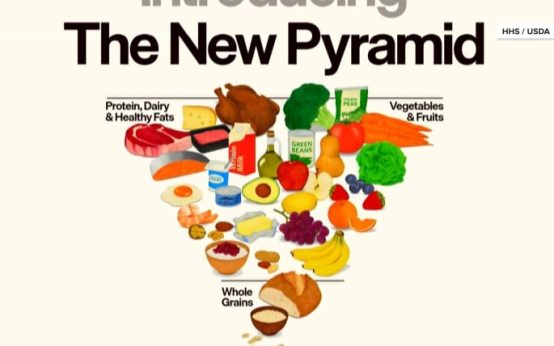
The HHS issued a statement in alignment with the 2025–2030 Dietary Guidelines for Americans, which recommends consuming a diverse range of protein sources, such as eggs, poultry, seafood, and red meat. Plant-based alternatives like beans, lentils, and nuts are also encouraged for a balanced diet.
Health expert Dr. Craig Basman previously provided guidance on maintaining a balanced protein intake, advocating for the inclusion of poultry, fish, and plant proteins. According to Basman, these dietary adjustments can help in reducing saturated fat intake and supporting healthy cholesterol levels, while maintaining dietary enjoyment and flexibility.
 Federal Reserve Maintains Interest Rates Amid Economic Developments
  Bipartisan Legislation Targets Data Center Power Usage to Protect Consumers
  The Impact of Diet on Coronary Heart Disease Risk
  Democratic Candidates Debate Corporate PAC Contributions in Michigan Senate Race
  Senator McConnell Discharged from Hospital, Working from Home
  Former Deputy Announces Congressional Bid in Virginia