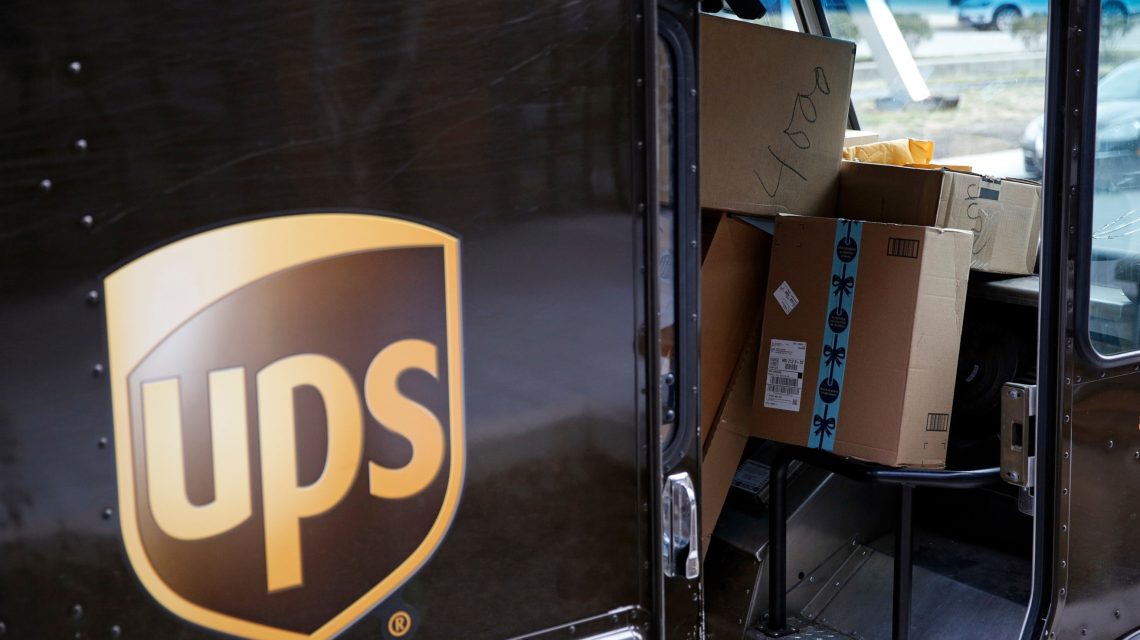
Recent widespread job cuts at major companies such as Amazon, UPS, and Pinterest have collectively resulted in tens of thousands of job losses, rekindling concerns about a slowdown in the labor market. This deceleration has prompted the Federal Reserve to consider interest-rate cuts, causing unease among economic observers regarding the health of the economy. Nevertheless, analysts from ABC News assert that despite the recent surge in layoffs, the broader labor market has managed to avoid widespread job losses, making these layoffs somewhat of an anomaly.
The high-profile job reductions reflect current trends in the tech sector and other industries, where companies are reversing pandemic-era hiring practices in response to the rise of artificial intelligence. “At the moment, companies like Amazon and UPS represent exceptions in terms of permanent layoffs,” commented Harry Holzer, a public policy professor at Georgetown University and former chief economist at the U.S. Department of Labor. He noted that while workers have reason to be concerned over potential changes AI might bring, particularly in tech, most industries remain uncertain about integrating this technology.
Last week, Amazon announced its plan to reduce its workforce by approximately 16,000 employees, part of an effort to strengthen business operations by streamlining processes. This announcement follows a similar move in October, where Amazon laid off 14,000 corporate staff, marking a second significant round of job cuts in recent months.
Similarly, UPS disclosed plans to cut up to 30,000 jobs over the year. Moreover, Pinterest declared its intention to cut 15% of its workforce, which numbers around 4,500 worldwide, as per a securities filing. UPS CEO Carol B. Tomé expressed confidence that these job reductions, achieved through “attrition” or not replacing vacant positions, will not hamper the company’s growth plans in strategic markets.
Pinterest, meanwhile, is reallocating resources with an emphasis on AI roles and the promotion of AI technology within the company. Employment statistics currently paint a mixed picture of the labor market’s robustness, analysts note. While there’s a clear hiring slowdown, as the economy only added an average of 49,000 jobs monthly in 2025, down from 168,000 added monthly in 2024, unemployment remains historically low.
Laura Ullrich, North America’s director of economic research at the Indeed Hiring Lab, characterized the labor market as a “low-hire, low-fire environment,” noting a decrease in worker turnover. Despite big-name layoffs grabbing headlines, these have yet to materially impact overall employment data.
Nevertheless, job cuts in tech are tied to AI advancements that drive efficiency and shift company priorities. Beth Galetti, senior vice president at Amazon, stresses the transformative impact of AI, which has accelerated innovation significantly. Other companies like Salesforce and Lufthansa have made similar job cuts, attributing them to AI efficiencies.
Analysts also highlight post-pandemic corporate strategies as a catalyst for job reductions, particularly in tech, where pandemic-driven sales booms are tapering. Logistics firms like UPS have similarly adjusted their workforce after a pandemic-induced hiring spree spurred by e-commerce growth during lockdowns.
“There was a significant spike in hiring during the pandemic, and now a return to normalcy,” Holzer explained, outlining a common trend of workforce reassessment in the aftermath of COVID-19.
 FPV Drones Steal the Show at 2026 Milan Cortina Olympics
  Bipartisan Legislation Targets Data Center Power Usage to Protect Consumers
  Guide to the Best Vacuums for Pet Hair
  AI Competition Heats Up as Anthropic Challenges OpenAI During Super Bowl
  The Rise of Pivotal’s Helix: The Real-Life Flying Car
  Ukrainian Military Drone Training Program Transitions into a Gameplay Experience