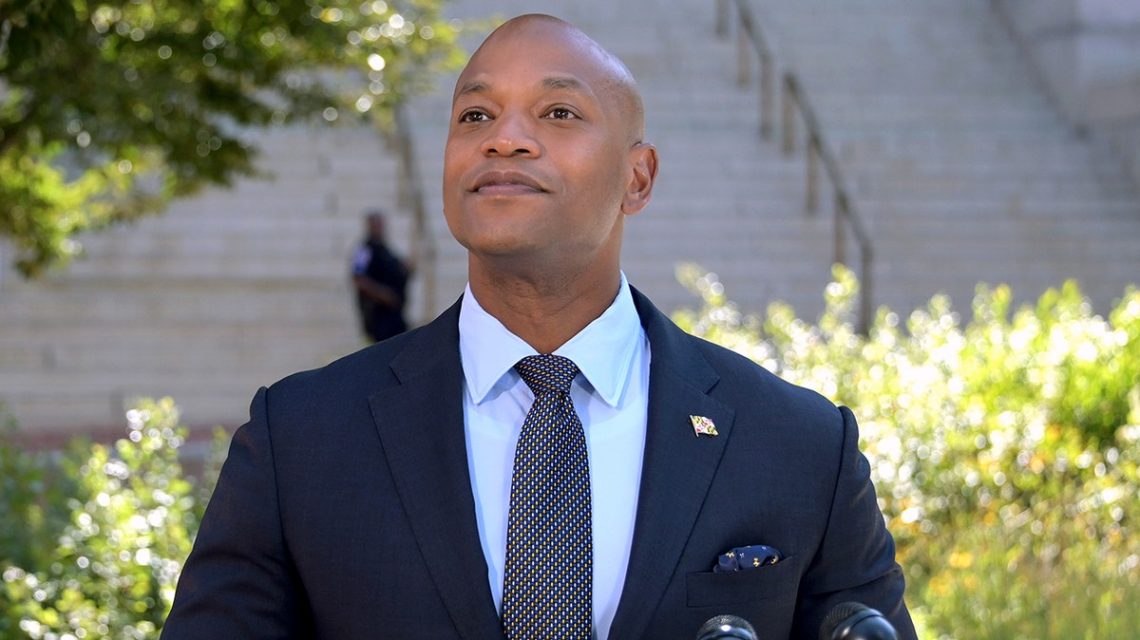
Maryland’s Democratic Governor, Wes Moore, is encountering a significant political challenge as he considers legislation set to arrive on his desk. This new legislation would effectively prohibit local law enforcement from collaborating with the U.S. Immigration and Customs Enforcement (ICE) within the state.
Both chambers of Maryland’s General Assembly have recently passed a bill aimed at terminating 287(g) agreements, which currently permit eight Maryland jurisdictions to work with federal immigration authorities. These agreements enable local facilities to turn detainees over to ICE, according to a report by Fox 45 Baltimore.
Governor Moore, who many think harbors presidential aspirations, has often been portrayed as a moderate. He has criticized partisan approaches and expressed support for law enforcement. This has placed him in a complex position, balancing the expectations from his political base, which opposes ICE cooperation, against those of moderates and independents who back ICE’s central objective of deporting criminal illegal immigrants.
Moore’s recent statements have underscored his disapproval of ICE’s actions, reflecting his concerns regarding the Trump administration’s immigration policies, especially after incidents involving fatalities in Minnesota following confrontations with federal authorities. For instance, he commented on the impact of such policies in the context of public safety and law enforcement priorities.
Rhyan Lake, speaking on behalf of Governor Moore, emphasized his ‘grave concern’ about ICE’s nationwide operations under the Trump-Vance administration. Lake criticized the federal stance, stating it has fostered chaos and jeopardized community safety, diverging from targeting violent offenders. The spokesperson affirmed that as the legislation reaches the governor, it will undergo careful review.
Despite Governor Moore’s assurances that he is not planning a presidential run in 2028 and expressing enthusiasm for completing his gubernatorial term, many observers speculate about his long-term political intentions.
Julian Epstein, a veteran Democratic strategist and attorney, cautioned that the Democratic Party might be courting electoral risk by aligning too closely with anti-ICE sentiments. He characterized sanctuary laws as reflective of a secessionist and open borders ideology, which, while appealing to certain progressive factions, could prove politically detrimental in general elections.
Epstein elaborated that these positions might unintentionally create economic challenges for the working class while fostering illegal and secessionist activities, as evidenced by recent violent protests in Minnesota.
 Federal Reserve Maintains Interest Rates Amid Economic Developments
  Bipartisan Legislation Targets Data Center Power Usage to Protect Consumers
  Democratic Candidates Debate Corporate PAC Contributions in Michigan Senate Race
  Senator McConnell Discharged from Hospital, Working from Home
  Former Deputy Announces Congressional Bid in Virginia
 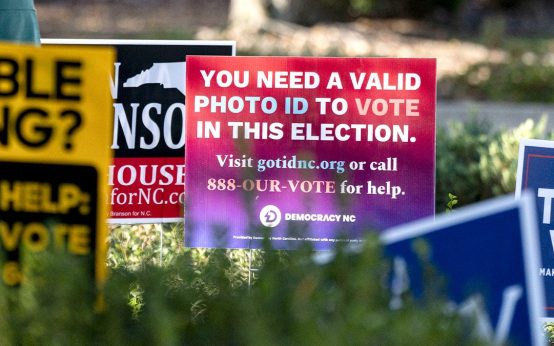 House of Representatives Advances Voter ID Bill for 2026 Elections