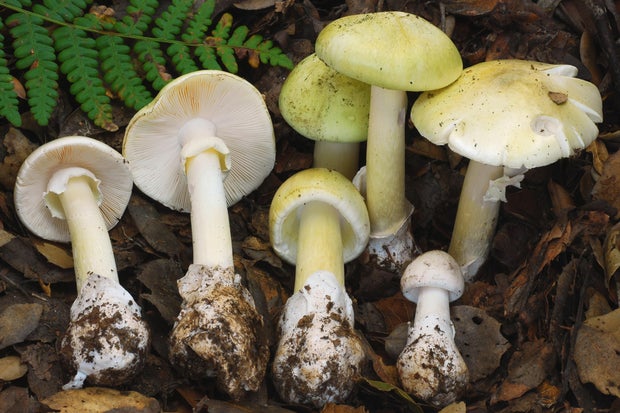
Following a particularly wet winter in California, a concerning increase in cases of death cap mushroom poisoning has been observed. The California Department of Public Health has reported more than three dozen incidents since November 18. Tragically, four people have died, and three others have required liver transplants.
Medical reports indicate that many of those who fell ill experienced acute liver injury and liver failure, with several needing intensive care. The ages of these patients ranged from as young as 19 months old to 67 years old, underscoring that the poisonous mushroom does not discriminate by age.
The department strongly warns against foraging for mushrooms this year, as death caps can easily be mistaken for safe, edible types of mushrooms.
The death cap stands out as one of the most deadly mushrooms globally. It contains amatoxins, which account for 90% of fatal mushroom poisonings worldwide. These mushrooms commonly grow in urban parks and forests, often under oak trees.
Dr. Craig Smollin, medical director for the San Francisco Division of the California Poison Control System, recalls that in an average year, only about two to five cases of death cap poisoning occur. However, this year the numbers are alarmingly high.
Experts attribute this spike in incidents to favorable growing conditions, described as a “super bloom.” Fall warmth combined with early rains has promoted an unusual proliferation of these deadly mushrooms in the area.
It’s imperative to know that even a small ingestion can be lethal. The mushroom’s appearance is deceptive, with toxic looks similar to other edible fungi. Changing colors from brownish-white to greenish doesn’t signal whether it’s hazardous. So, whether consumed raw, dried, or cooked, its danger remains.
Laura Marcelino, with roots in Indian Oaxaca, Mexico, shared her distressing experience. Trusting the mushrooms resembled those they had safely enjoyed back home, she and her husband partook them. Unfortunately, this led to severe health impacts, necessitating hospitalization and a liver transplant for her husband. Their children, who fortunately dislike mushrooms, were spared.
Symptoms from consuming these mushrooms include nausea, vomiting, and diarrhea within 24 hours. Initially dissipating symptoms can mislead victims, but severe liver damage can rapidly develop over the next few days.
Mushrooms have been found in parks and regions across Northern California and the Central Coast. Poisonings notably affected individuals who speak Spanish, Mixteco, and Mandarin, prompting expanded multilingual public health warnings. Over 60% of those poisoned were primarily Spanish speakers.
The fatal mushroom resembles safe varieties from around the globe and alters its appearance through growth stages. Non-expert foragers should exercise caution, as recognizing these deadly mushrooms can be quite challenging.
Officials stress vigilance over children and pets in areas where mushrooms flourish. Reliance on reputable stores or vendors when purchasing mushrooms is strongly advised. Immediate medical attention is crucial upon suspicion of consuming toxic mushrooms.
U.S. Poison Centers have observed a 40% rise in mushroom-related incident reports from September through January compared to the previous year, though exposure doesn’t always lead to illness. They urge contacting local poison centers via 1-800-222-1222 or visiting PoisonHelp.org for emergencies or inquiries.
 The Impact of Diet on Coronary Heart Disease Risk
 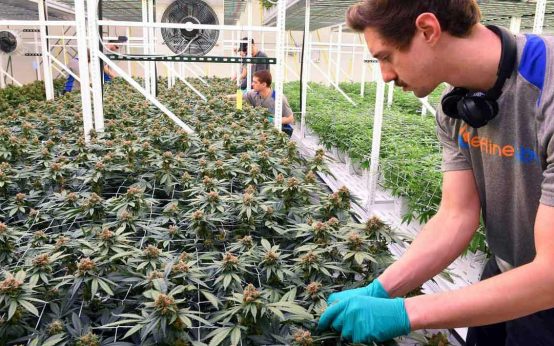 New York Times Editorial Board Reconsiders Stance on Marijuana Legalization
 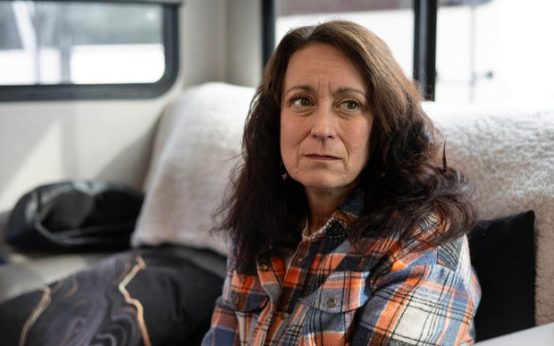 New Medicaid Work Requirements Raise Concerns Among Low-Income Americans
  The New York Times Reevaluates Stance on Marijuana Legalization
 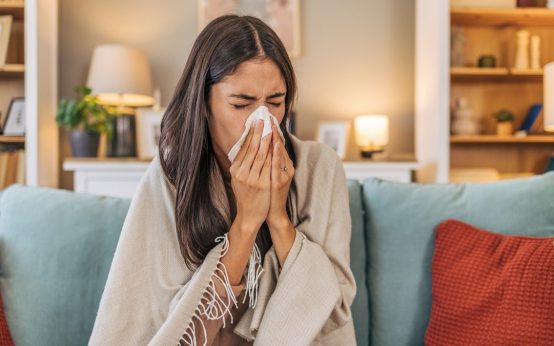 Comfort Essentials to Ease Cold and Flu Symptoms
 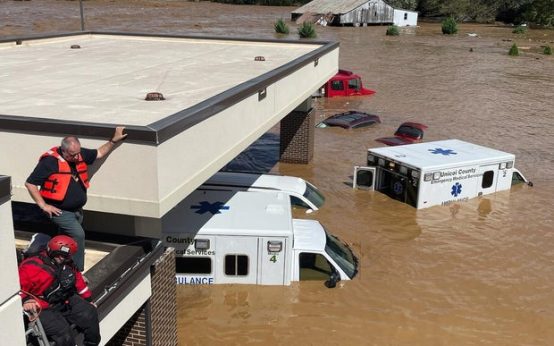 Tennessee Hospital Rebuilding Amid Flooding Concerns