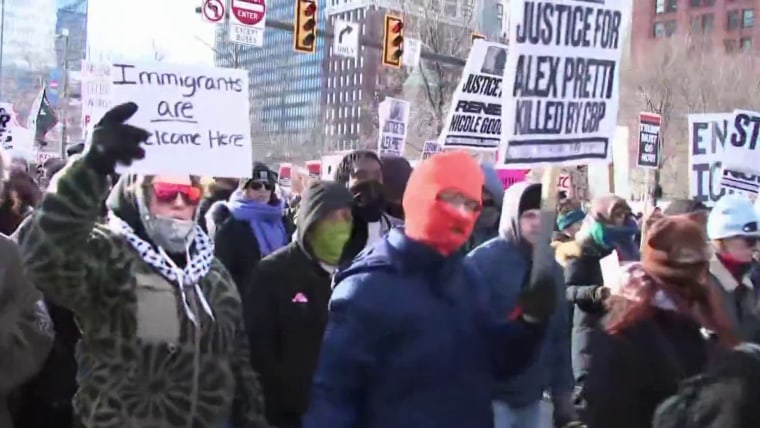
Before Tom Homan assumed his role as a border czar in Minneapolis, he had consistently advocated for a focused approach to immigration enforcement. Homan, who has held positions under the Obama and Trump administrations, emphasized the importance of prioritizing the deportation of immigrants in the U.S. who have committed additional crimes, rather than conducting indiscriminate arrests. His strategy aimed to maintain the confidence of the American populace by concentrating on criminal offenders.
In a June interview, included in the upcoming book “Undue Process: The Inside Story of Trump’s Mass Deportation Program,” Homan expressed concerns that deviating from such prioritization might erode public support for the Trump administration. He asserted, “The majority of Americans believe criminal illegal aliens should be deported. Adhering to this focus would help sustain the public’s belief in President Trump’s policies.” This statement came as Border Patrol agents, under Greg Bovino’s leadership, commenced significant raids in Los Angeles.
“The more we adhere to this method, the more backing we’ll receive from the American people. Our actions must be both decisive and humane,” Homan remarked during this period.
Greg Bovino, who had previously been leading the Border Patrol sector in El Centro, California, was tasked with managing the Los Angeles operations. Unlike Immigration and Customs Enforcement (ICE) agents who pursue specific individuals, the Border Patrol executed wide-reaching arrests focused on residential and employment areas, legal ramifications of these actions emerged in subsequent lawsuits.
The expansive enforcement activities, which commenced on June 6 in the Los Angeles Fashion District, led to five weeks of public protests, prompting President Trump to mobilize the National Guard and the Marines. One notable operation, termed Operation Trojan Horse, involved agents disguised in a rental truck in a Home Depot parking lot, where they detained day laborers seeking employment.
This strategy of Homeland Security came under scrutiny as deportation efforts extended to cities like Chicago, Charlotte, and New Orleans. Concerns peaked when two U.S. citizens were tragically killed by immigration authorities in Minneapolis, stirring nationwide controversy.
At the time of the incident, Border Patrol’s more aggressive enforcement approach, including the detention of individuals at gas stations for citizenship verification, drew extensive criticism. Further disapproval followed after Bovino’s direct involvement in crowd control efforts using tear gas during Chicago protests. Consequently, Bovino was relieved from his position and replaced by Homan.
Homan, along with other leaders, has advocated for a more selective strategy, where federal officers’ presence could be reduced if bolstered by local law enforcement in tracking immigrants with criminal backgrounds. In a recent move, he cut down the number of Border Patrol and ICE personnel in Minneapolis by 700.
President Trump, in an NBC News interview, remarked on the potential to “employ a slightly gentler approach” regarding immigration enforcement.
Despite Bovino’s enforcement approach gaining initial momentum, Homan voiced reservations about detaining migrants legally seeking asylum, predicting that increasing cases of such nature might provoke public scepticism.
Data from ICE highlights that approximately a third of their arrests in the first nine months of Trump’s presidency involved immigrants without criminal records. However, this data excludes those apprehended by the Border Patrol.
A New York Times/Siena poll indicated that 61% of respondents felt ICE’s practices had been excessive following recent incidents. Secretary of Homeland Security Kristi Noem stated that overall operations focus on specified targets, yet leaked information suggests otherwise.
Internal communications and testimony from anonymous DHS officials alongside local law enforcement and immigration advocates reveal a different picture. The approach, which Homan partly opposed, is advocated by Noem’s adviser, Corey Lewandowski, and Bovino, as suggested in an internal email. Bovino conveyed frustration that he was restricted to targeted operations for two weeks in Chicago before resuming more widespread enforcement activities.
 Federal Reserve Maintains Interest Rates Amid Economic Developments
  Bipartisan Legislation Targets Data Center Power Usage to Protect Consumers
  Democratic Candidates Debate Corporate PAC Contributions in Michigan Senate Race
  Senator McConnell Discharged from Hospital, Working from Home
  Former Deputy Announces Congressional Bid in Virginia
 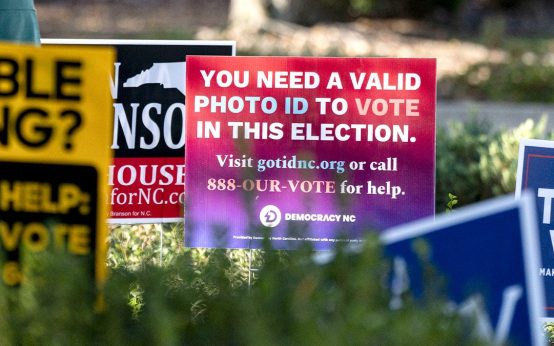 House of Representatives Advances Voter ID Bill for 2026 Elections