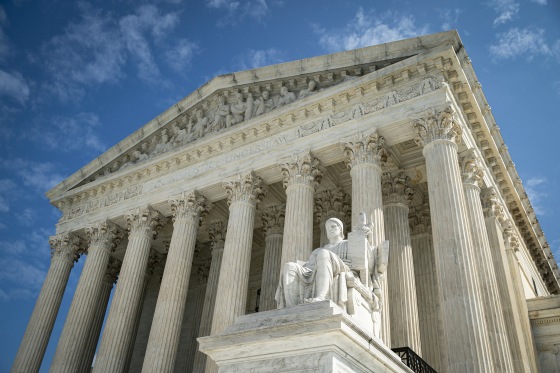
The United States Supreme Court has given the green light for California to implement a newly drawn congressional map for the upcoming midterm elections, a move considered a significant triumph for the Democratic Party. In a succinct order issued on Wednesday, the Court allowed the use of the map, which had been approved by voters in the previous year. This brief order came without any elaborate explanation or dissent.
Republicans had appealed to the Supreme Court to halt the implementation of California’s redistricted lines, accusing the Democrats of racial gerrymandering. However, this appeal was declined. The map, crafted by Democratic officials and endorsed by voters through the Proposition 50 ballot measure last November, offers the Democrats a feasible opportunity to gain as many as five additional seats in the House of Representatives during this cycle’s elections.
California’s Democratic Governor, Gavin Newsom, advocated strongly for the new redistricting efforts, presenting it as a response to a similar political maneuver in Texas. In Texas, a new map introduced last summer is also expected to potentially provide the Republicans with five extra seats.
Previously, a federal district court refused to block the newly proposed California map, concluding that the redistricting occurred along partisan lines rather than racial, as suggested by the Republicans. Notably, Republicans had urged the Supreme Court to intervene before February 9. Meanwhile, the deadline for candidate filing in California is set for March 6, with the primary elections scheduled for June 2.
Intriguingly, Democrats in Texas had mirrored the Republicans’ challenge in California last year by attempting to block a new map in Texas. They argued against the GOP’s approach, claiming it took race into excessive consideration inappropriately. Nevertheless, a lower court temporarily prohibited the implementation of the Texas map before the Supreme Court eventually permitted its use for the 2026 elections.
This situation in Texas initiated an intensive mid-decade redistricting cycle, influenced significantly by former President Donald Trump. Both major parties strive to secure a strategic advantage in the race for control of the closely divided House. Traditionally, states undertake the redrawing of congressional boundaries at the start of each decade aligned with new census data.
This development is part of broader political dynamics that impact the electoral landscape, as policymakers, strategists, and voters prepare for the possible implications in the approaching elections.
 Federal Reserve Maintains Interest Rates Amid Economic Developments
  Bipartisan Legislation Targets Data Center Power Usage to Protect Consumers
  Democratic Candidates Debate Corporate PAC Contributions in Michigan Senate Race
  Senator McConnell Discharged from Hospital, Working from Home
  Former Deputy Announces Congressional Bid in Virginia
 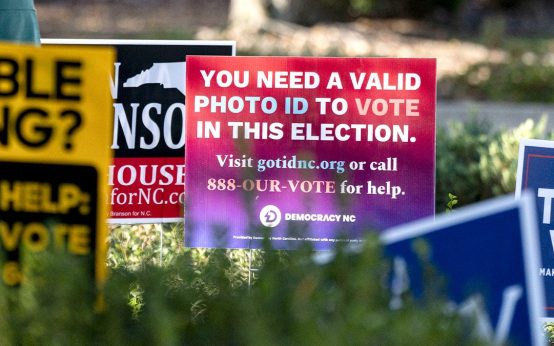 House of Representatives Advances Voter ID Bill for 2026 Elections