When you’re focusing on heart health, choosing between a low-fat or low-carbohydrate diet might feel challenging. However, recent research shows that both diets, when approached healthily, can lower the risk of atherosclerosis, a prevalent form of heart disease.
A comprehensive observational study involving about 200,000 adults discovered that low-fat and low-carb diets rich in plant-based foods, whole grains, and unsaturated fats are linked to a decreased risk of coronary heart disease. This condition occurs when plaque accumulates in the arteries, hindering the delivery of oxygen-rich blood to the heart and potentially causing chest pain, heart attacks, or even cardiac arrest.
Conversely, diets high in refined carbohydrates and animal-derived fats are associated with a higher risk. The Journal of the American College of Cardiology recently published these findings, emphasizing that it’s the quality of your diet that matters, not just a specific macronutrient like fat or carbohydrates. Dr. Qi Sun, a nutrition and epidemiology expert at the Harvard T.H. Chan School of Public Health, led the study. Sun notes that these findings specifically relate to coronary heart disease and may not apply to other heart conditions such as heart failure or arrhythmias.
Researchers from institutions including Kuwait University and Harvard compiled data from health professional databases originating in the 1970s and 1980s. The datasets included the Nurses’ Health Study, the Nurses’ Health Study II, and the Health Professionals Follow-Up Study, encompassing women and men aged 30 to 75. They excluded participants with existing conditions like diabetes, cardiovascular disease, or cancer, resulting in a study group of 198,473 individuals.
Participants provided diet information every two to four years, which allowed researchers to classify diets into various categories focusing on low-fat and low-carb approaches that highlighted wholesome ingredients such as whole grains, fruits (excluding juice), vegetables (excluding potatoes for low-carb diets), and plant-based proteins and fats.
After more than three decades of follow-up, 20,033 participants developed coronary heart disease. Within the healthy low-carb diet group, individuals who adhered best to the diet saw a 15% risk reduction compared to those less diligent. A commitment to a healthy low-fat diet correlated with a 13% reduction in risk. Both diet types highlighted incorporating plant-based foods, which importantly contributed to the reduced risk.
Meanwhile, unhealthy low-carb and low-fat diets, characterized by excessive refined grains and animal proteins, saw a risk increase of 14% and 12% respectively for coronary heart disease.
The study’s robustness derives from its extensive size, prolonged duration, and the detailed categorization of low-fat and low-carb diets. Beyond relying solely on self-reports, researchers confirmed their findings by analyzing metabolites in blood samples from over 11,000 participants—providing objective data markers associated with health outcomes.
Dr. Dariush Mozaffarian, from Tufts University’s Food is Medicine Institute, underlines the emphasis on food quality rather than diet composition alone, pointing to nutrient-rich foods like fruits, vegetables, whole grains, nuts, and legumes as key components in reducing heart disease risk.
However, the study has limitations. Adjustments for factors like physical activity, smoking, and body mass index were addressed, though these corrections aren’t flawless. Additionally, since the participants were health professionals with better healthcare access, the findings might not universally apply.
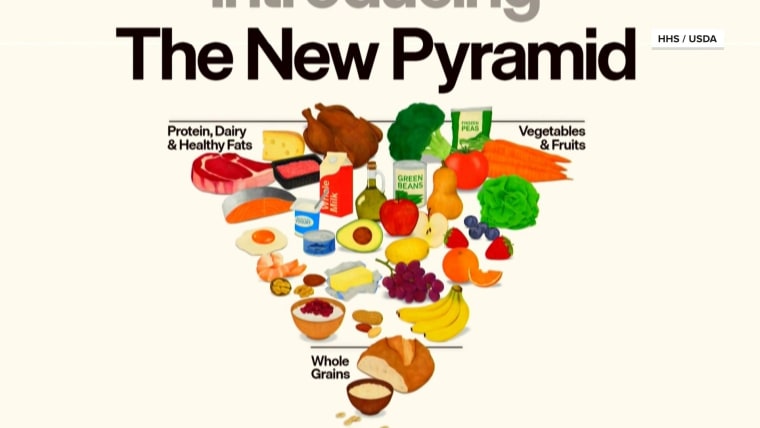
The results partially align and contradict U.S. dietary guidelines, especially concerning saturated fats from red meat and full-fat dairy.
Ultimately, combining a nutritious diet with exercise, avoiding smoking, and maintaining proper blood pressure and cholesterol levels can extensively lower the risk of heart disease, as indicated by research and highlighted by Dr. Clyde Yancy, cardiology chief at Northwestern University.
Authored by Barbara Mantel, a contributor to NBC News, this analysis incorporates information from her extensive experience writing for various medical and health publications.
 New York Times Editorial Board Reconsiders Stance on Marijuana Legalization
  New Medicaid Work Requirements Raise Concerns Among Low-Income Americans
  The New York Times Reevaluates Stance on Marijuana Legalization
  Comfort Essentials to Ease Cold and Flu Symptoms
  Tennessee Hospital Rebuilding Amid Flooding Concerns
  Apolipoprotein B: A Crucial Indicator for Heart Disease Risk