President Donald Trump’s executive order, the Great American Recovery Initiative, highlights a crucial step toward addressing addiction in America. Arguably, it could be aptly named the Bill W. and Dr. Bob Initiative in homage to the founders of Alcoholics Anonymous (AA). This initiative draws parallels with the AA philosophy, which focuses on recovery through community, health, and faith.
Bill Wilson and Dr. Robert Smith, the pioneers of AA, embarked on their recovery journey in the 1930s. Their approach incorporated spiritual awakenings that transformed their lives, providing a foundation for the 12-step program that has helped millions. Likewise, Trump’s initiative underlines community and faith as integral components of battling addiction.
Outlined by the White House, the initiative aims to orchestrate a national effort against addiction by involving government, healthcare, faith communities, and the private sector. Its objective is to save lives, restore family units, and strengthen communities.
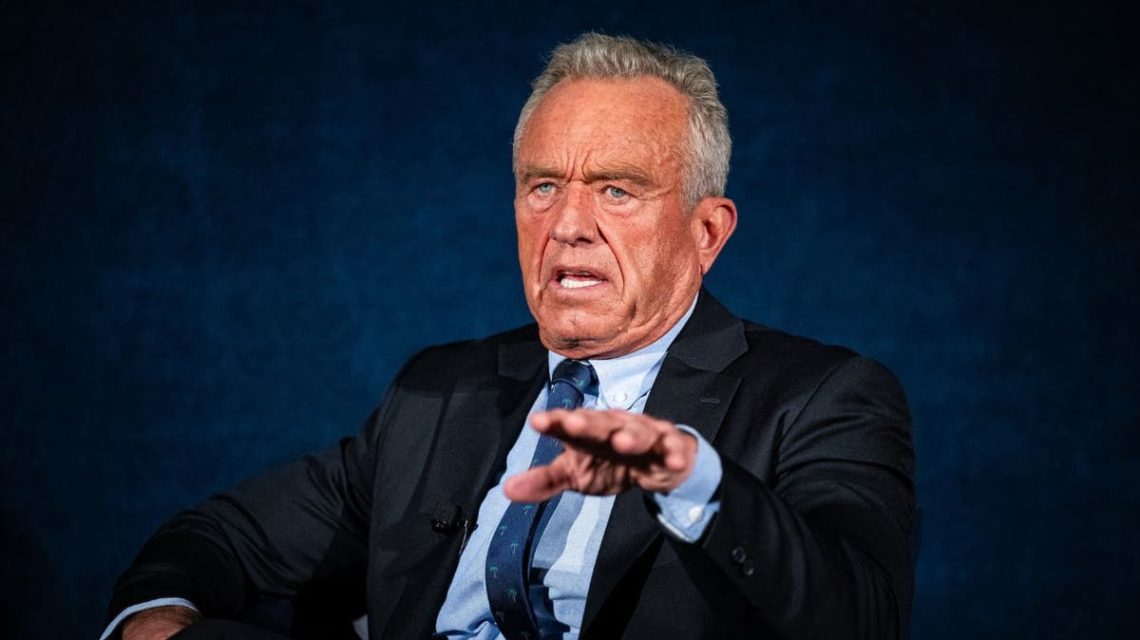
This effort is complemented by the Department of Health and Human Services (HHS) program, STREETS (Safety Through Recovery, Engagement, and Evidence-based Treatment and Supports), which addresses addiction, mental health, and related issues. This program is championed by Robert F. Kennedy Jr., who has personal experience with addiction recovery. This connection underscores the shared understanding and empathy needed in this field.
A fundamental challenge in combatting addiction is overcoming denial, a common hurdle for addicts. The combination of faith and role modeling helps break through this barrier, as noted by the White House. An estimated 48.4 million Americans suffer from addiction, many of whom are either unaware or in denial of their need for treatment.
President Trump has shown dedication to addressing addiction, a cause personal to him following the struggles and death of his brother Fred. The participation of influential figures in his initiative, including Kathryn Burgum and Steve Witkoff, highlights the collective commitment to raising awareness about how hard breaking free from addictions can be.
Furthermore, scientific advancements play a significant role in addiction recovery. Medications like buprenorphine and naltrexone provide relief and have been shown to significantly decrease opioid-related deaths. These pharmaceutical innovations, combined with faith-based approaches, represent a multifaceted strategy for recovery.
Beyond treatment access, there is a need for financial and systemic support. Making lifesaving medications widely available and encouraging places like primary care facilities and faith institutions to participate in recovery programs is vital.
As expressed in the book, “The Miracles Among Us,” recovery is not merely scientific but also spiritual. The blend of medical innovation and faith reflects a comprehensive approach to healing. It is essential for federal support to make these programs accessible, fortifying the path that Bill W. and Dr. Bob began nearly a century ago.
Overall, recovery from addiction requires a united front, encompassing faith, accessible healthcare, and dedicated leadership. It is vital to continue the legacy of community and spiritual support established by the founders of AA to tackle addiction effectively.
 The Impact of Diet on Coronary Heart Disease Risk
 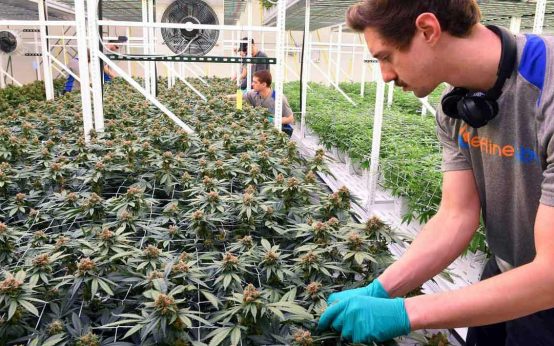 New York Times Editorial Board Reconsiders Stance on Marijuana Legalization
  New Medicaid Work Requirements Raise Concerns Among Low-Income Americans
  The New York Times Reevaluates Stance on Marijuana Legalization
  Comfort Essentials to Ease Cold and Flu Symptoms
  Tennessee Hospital Rebuilding Amid Flooding Concerns