Donald Trump is known for his affinity for deadlines. Since taking office, he has often set strict timelines as a means to initiate progress or ensure movement in some of the world’s most intractable conflicts. Notable examples include the deadlines given to Hamas regarding U.S.-backed peace proposals in Gaza and the two-month period for Iran to negotiate a new nuclear deal. There have also been deadlines for Ukraine and Russia to settle their differences.
According to Ukrainian President Volodymyr Zelenskyy, Trump has now proposed a new deadline, aiming for a resolution by June to conclude the nearly four-year war. Zelenskyy shared with reporters that the United States is eager for the parties involved to reach an agreement by early summer, indicating that there might be pressure applied according to this timeline. He mentioned, “The Americans are proposing the parties end the war by the beginning of this summer and will probably put pressure on the parties precisely according to this schedule. They say that they want to do everything by June. And they will do everything to end the war. And they want a clear schedule of all events.”
However, neither the White House nor Moscow has confirmed this June deadline, and the White House did not comment on NBC News’ inquiries. Analysts suggest that deadlines alone might not alter the entrenched nature of the conflict, and core issues remain unresolved, even as the war approaches its fifth year.
Trump has a history of setting, and often resetting, deadlines for the conflict in Ukraine. During his presidential campaign, he claimed he would end the war within 24 hours of taking office, a pledge he later acknowledged was more aspirational than literal. His special envoy for Ukraine, Keith Kellogg, once suggested that both sides could reach an agreement within 100 days of Trump’s inauguration, a timeline that was not realized.
Over time, Trump has suggested various informal deadlines for progress, including deadlines for Moscow to initiate discussions and public timelines for achieving a settlement. None of these have yet resulted in a lasting ceasefire or agreement. An August deadline for a deal proposed last year went by without resolving the situation, as did expectations of a Thanksgiving deal. In December, Trump said that a draft agreement to end the conflict was “close to 95% done.”
Ukraine, Russia, and the U.S. recently held their first trilateral discussions on a peace deal. More talks are scheduled to occur on American soil soon, according to Zelenskyy. Although officials have described these discussions as constructive, substantial barriers persist, especially concerning the status of the eastern Ukrainian territories where Moscow has maintained firm demands.
“Kyiv’s military would have to pull out of the region, which is still partly held by Ukrainian forces, for any deal to end the war,” stated the Kremlin, a condition Kyiv finds unacceptable.
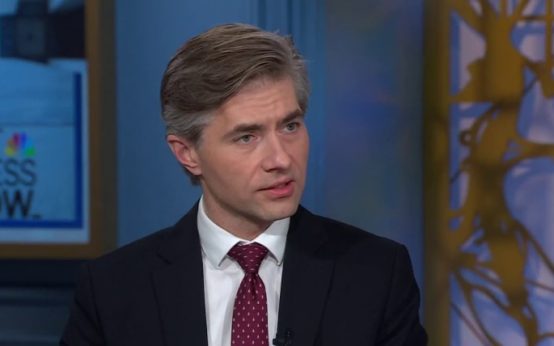
Moritz Brake, a senior fellow at the Center for Advanced Security, Strategic and Integration Studies, remarked that the deadlock could be broken if one side succumbs to pressure. He elaborated, “This is what both sides, in probably their own ways, are hoping for.” Ukraine is looking for potential Russian vulnerabilities, while Russia hopes to overwhelm Ukraine on the battlefield.
Michael Bociurkiw, a nonresident senior fellow at the Atlantic Council’s Eurasian Center, voiced concerns about Ukraine’s position, noting, “Zelenskyy is in a corner right now. Territory is the main issue, and that’s not one where he can budge even little, even slightly, given the amount of blood that’s been spilled.” Bociurkiw believes that if the deadline passes without resolution, the U.S. pressure on both sides might leave Ukraine disadvantaged.
Keir Giles, a senior consulting fellow at Chatham House, echoed these concerns, indicating the Trump administration’s hesitance to pressure Russia but willingness to exert influence on Ukraine. Giles noted that the end of the conflict depends on either Ukraine conceding due to unsustainable conditions in its cities or significant pressure being put on Russia to cease hostilities, potentially by turning the situation into a ceasefire with defined lines of control.
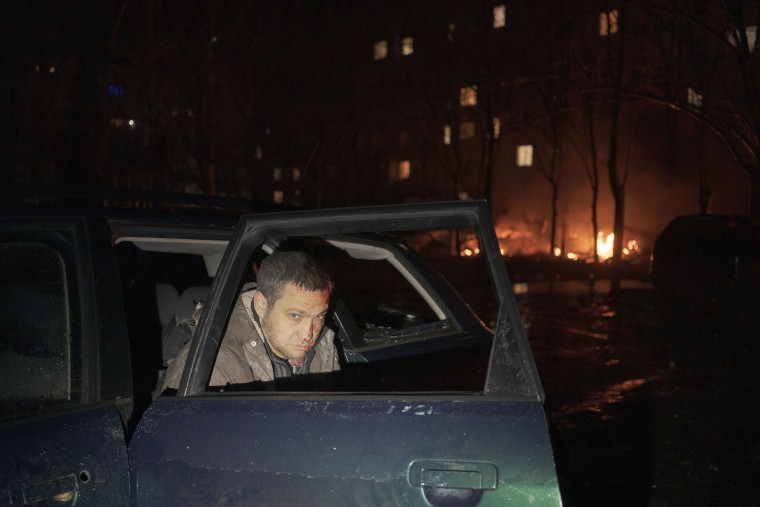
Ukraine’s civilian population has endured a difficult winter, suffering from extended periods without power or heating as a result of Russian attacks on energy infrastructure. Recent strikes have caused nuclear power plants to reduce output, as reported by Ukrainian energy company DTEK on X, with President Zelenskyy mentioning over 400 drones and about 40 missiles launched overnight.
For all the political maneuvering at the negotiation table, lives continue to be lost, and the situation on the ground remains largely unchanged. Bociurkiw added, “I don’t see this war ending by summer. Ukraine is really taking a beating, especially civilians, but I don’t see it ending unless there’s a miracle.”
The complexities and stakes involved in the Ukraine-Russia conflict make reaching a peaceful resolution by the proposed timeline challenging, and the path forward remains uncertain.
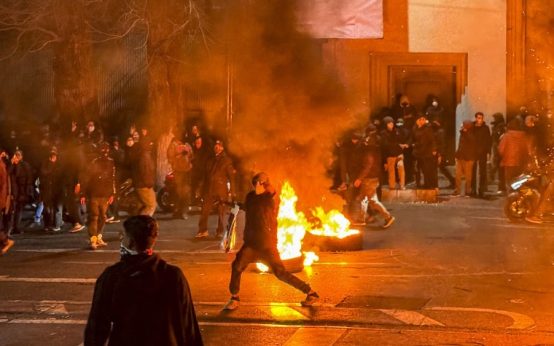 Tensions Between the U.S. and Iran: Navigating Protests and Military Pressure
  Rescuers Respond to Avalanches in Italy Amid Safety Concerns
 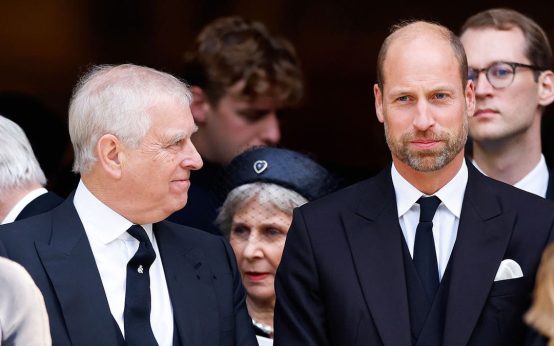 Prince William Stands Firm Against Prince Andrew Amid Epstein Scandal
  Tragic Impact of Russian Drone Strike on Ukrainian Family
  NHL Players Set to Return for 2026 Olympic Hockey in Milan
  European Hockey Players Look to Olympics for NHL Opportunities