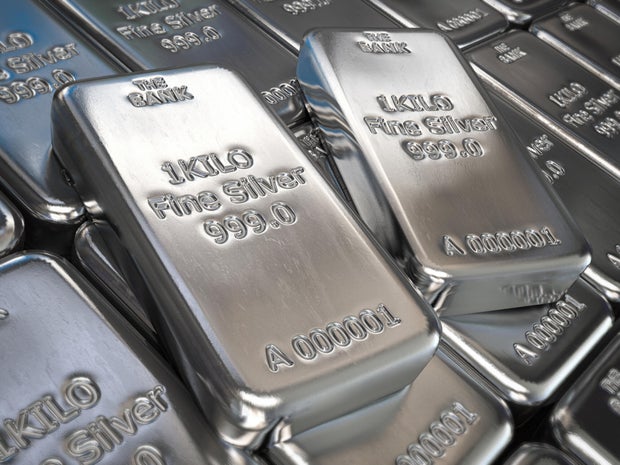
The world of precious metals investment can often feel like a whirlwind, particularly when it comes to silver prices. Recently, the market has seen quite a rollercoaster ride, with silver prices spiking to an unprecedented high before dropping back down. As of February 4, 2026, the price of silver stands at $91.72 per ounce, according to data from Priority Gold. Though slightly higher than earlier in the month, this price remains below the late January peak of around $110 per ounce.
Such volatility can be perplexing even for experienced investors, not to mention those new to the precious metals scene. Despite the fluctuating market conditions, silver—and its counterpart, gold—remain viable options for portfolio diversification and as a hedge against inflation. Understanding the current pricing and market conditions can help investors better time their entries and exits in the market.
Price Trends and Market Opportunities
Silver’s price behavior over the past month may seem erratic, but it also opens up opportunities. Historically, silver prices have shown an upward trajectory over time. For instance, just one year back in 2025, silver was trading below $35 per ounce. The substantial increase this year signals potential for growth, making the current price a window of opportunity for those looking to get involved in the precious metals market.
Market participants should consider this transitional period as a chance to invest in silver, especially as various market conditions might propel its price upward sooner than expected. Given its current price point, entering the market now could align well with both budgetary constraints and investment goals.
Considerations When Purchasing Silver
It’s important to note that the market price of silver does not always reflect the buying price. The quoted $91.72 is for pure silver, such as that found in bars or coins. However, purchasing silver often involves additional costs due to markups by dealers, pawnshops, or precious metal companies. These premiums are standard in the industry but can vary widely, making it crucial to conduct thorough research to avoid overpaying.
Such diligence is vital to maximizing the potential benefits of investing during a price trough. Overpaying at this stage could diminish the advantages of investing in a lower-priced market.
The Bottom Line
In conclusion, with silver’s current price sitting at $91.72 as of February 4, 2026, there’s a potential entry point for investors who have been watching the market. Still, it is wise to limit the precious metals component of an investment portfolio to no more than 10%. This strategy helps balance those allocations with other potentially income-generating assets like stocks, bonds, and real estate.
By approaching the silver market with strategic foresight and a clear understanding of its dynamics, investors can better leverage the benefits this precious metal offers while diversifying their portfolios effectively.
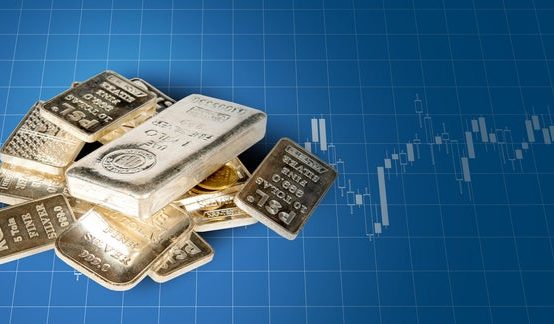 Exploring the Potential of Silver Investments Amid Price Volatility
  Understanding Silver Ownership Laws and Considerations for Investors