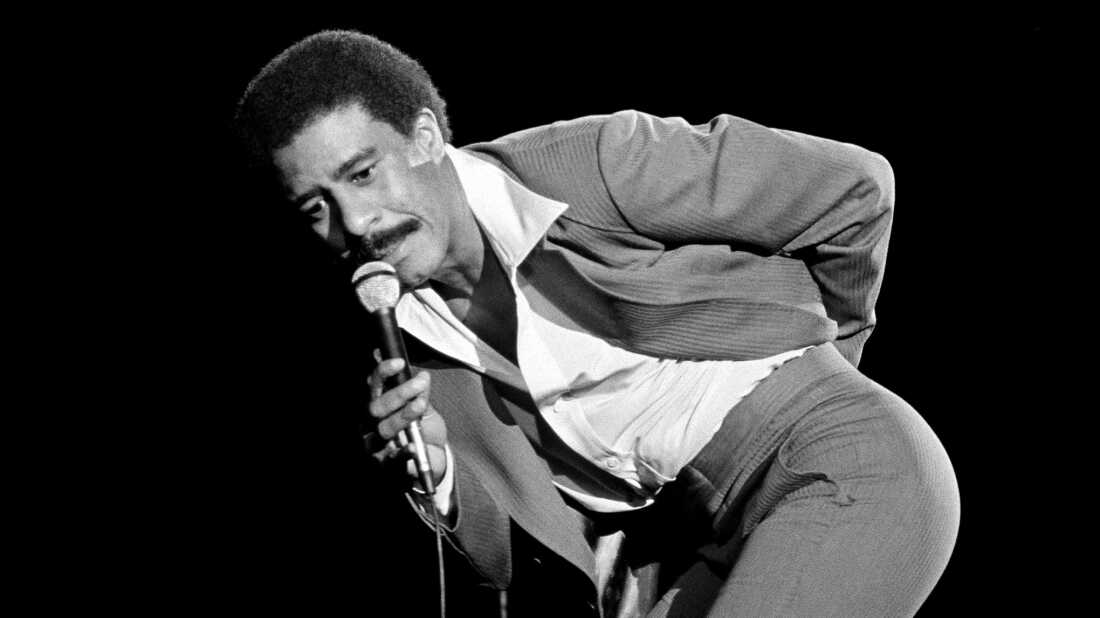
Richard Pryor took the stage at the Los Angeles Hollywood Bowl on September 19, 1977. A photo of this moment captured by Lennox McLendon for the Associated Press shows the iconic comedian in action. Historian Elizabeth Stordeur Pryor, Richard Pryor’s daughter, has extensively studied the N-word’s history through various eras, including slavery, Jim Crow, the civil rights movement, and hip-hop. Despite her research, many are unaware that her father popularized the term in American comedy during the 1970s. Elizabeth refers to both herself and her father as scholars of the N-word.
She describes her relationship with the term as particularly complex due to her mixed-race background, having a white mother and a Black father. One memory highlights when she was teaching a college course, and a white student referenced the word while quoting the film ‘Blazing Saddles’ which her father co-wrote. Elizabeth felt unprepared for hearing the word in her classroom. Concerned for her Black students, she realized the challenge that arises when encountering racism in an educational setting. Elizabeth questioned how to handle these situations effectively and sensitively.
In her new book, ‘Something We Said: Richard Pryor, A Notorious Word, and Me,’ she combines memoir with a historical examination of this divisive term in the English language. She reflects on an important shift in her father’s life. After visiting Kenya, Richard vowed never to use the N-word again. Elizabeth admires that decision, noting he expressed that it was a personal choice and not instructions for others. He recognized the word’s significance in Black culture but also acknowledged losing artistic control over its impact.
Insights from Elizabeth on Her Father’s Use of the N-word:
In a significant conversation with me as a young girl, my dad cautioned, ‘Don’t let anybody call you that.’ Yet, he and his friends used it in a subversive manner, as a form of protest. He drew from a tradition where Black people used the word as a defiance against white racism. Bringing this usage onto stage empowered them by reclaiming the term.
Teaching students about the N-word remains challenging. Although conversations in her class are difficult, Elizabeth believes they are essential. She emphasizes the discussions aren’t about free speech but about how individuals interact and engage inclusively. Her goal is to encourage students to consider how language impacts everyone at the table.
Meeting Her Father Richard Pryor for the First Time:
Elizabeth recalls meeting her father in Newark, New Jersey, at age six. Her mother was nervous when they knocked on a hotel room door, and her father appeared in a towel. Elizabeth saw this as an incredibly rewarding moment. She felt an immediate connection, embracing both the father figure and his charm. She recalls seeing herself in him, which created an instant bond.
Growing up, Elizabeth sought her father’s attention by showcasing her intelligence and creativity. She participated in theater and improv, with Richard attending her performances. When she experienced a ‘Black awakening’ in college, her father supported it by sending her a documentary about Malcolm X and The Last Poets’ track ‘N-words Are Scared of Revolution.’ She perceived these gestures as an invitation into a deeper understanding of her heritage. Later in Richard’s life, when speech became difficult, she read to him from Frederick Douglass’s narrative, fostering a shared sense of pride.
Richard Pryor’s Upbringing and Humor:
Richard Pryor shared a story from his childhood about seeking validation through humor. At age five, he wore a cowboy suit outside his house in the presence of his grandmother, sex worker mother, father, and uncle. After slipping in dog excrement, the group laughed, and so Richard repeated the act. This need for recognition shaped his comedic style. Despite the underlying pain, it spurred his lifelong pursuit for acceptance and appreciation from others.
Anna Bauman and Thea Chaloner produced and edited the original interview for broadcast. Bridget Bentz, Molly Seavy-Nesper, and Meghan Sullivan adapted it for web publication.
 A Woman’s Battle with Rare Medical Conditions: Advocating for Awareness
  Woman Captures Unexpected Sturgeon Encounter in Florida River
  Controversy Surrounds Macklemore’s Pro-Palestinian Activism
 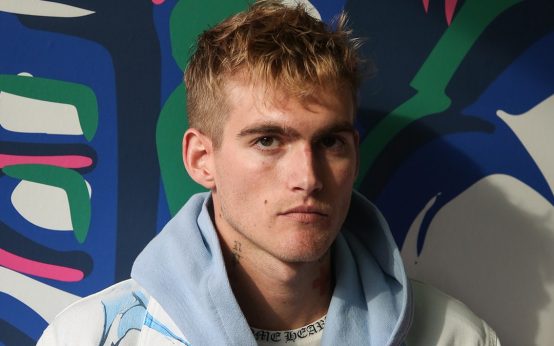 Presley Gerber’s Passing in Rehab Investigated as Suspected Overdose
 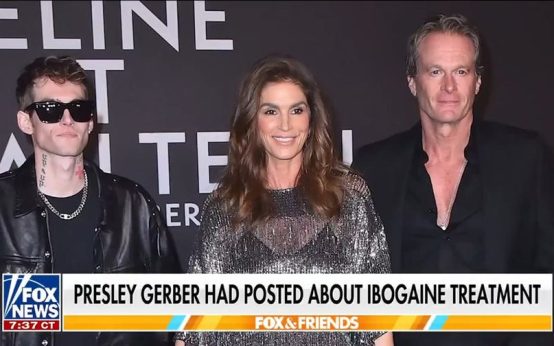 Cindy Crawford’s Son, Presley Gerber, Passes Away at 27
  Highlights from the Toronto International Film Festival