CAPE CANAVERAL, Fla. — Blue Origin reported that the explosion of its New Glenn rocket during a recent engine test at Cape Canaveral Space Force Station spared several crucial components of the launch pad. While the lightning tower and transporter-erector were destroyed, key fuel tanks and other equipment remained intact, aiding NASA’s Artemis moon mission.
CEO Dave Limp assured on the social media platform X that the methane, hydrogen, and oxygen tanks, along with the water tank, were unharmed. The remaining support tower will be repaired onsite, and nearby booster and rocket parts were unaffected.
“We will fly again before the end of this year,” Limp stated, emphasizing the positive outlook despite the incident.
The investigation into the explosion’s cause continues. Prior to this setback, NASA awarded a significant contract to Blue Origin for the New Glenn rockets to deploy lunar rovers as part of the Artemis mission. These rovers are essential precursors to the arrival of the first Artemis astronauts.
The New Glenn line of rockets, commemorating astronaut John Glenn, has only launched three times. Unlike SpaceX’s larger Starship, which conducts test flights from Texas, New Glenn rockets are part of NASA’s strategy to transport astronauts to the moon, alongside SpaceX’s Starship.
NASA plans to facilitate the first moon landing since Apollo 17 in 1972 by 2028. Administrator Jared Isaacman assured that efforts to restore the launch pad will not detract from progress on the lunar lander.
The Associated Press Health and Science Department receives support from the Howard Hughes Medical Institute’s Department of Science Education and the Robert Wood Johnson Foundation.
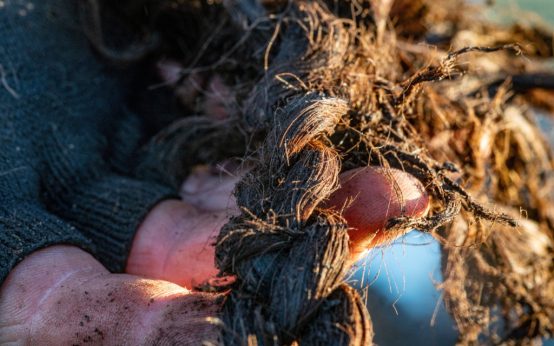 Early Cannabis Use Discovered in Siberian Tomb
 Democratic Candidate Scott Colom Engages Voters Outside Trump Rally
 Ancient Cannabis Use Traced Back 2,800 Years
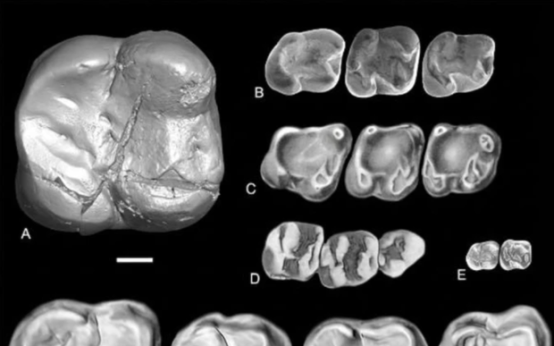 Discovery of a Giant Prehistoric Rodent in Southern Thailand
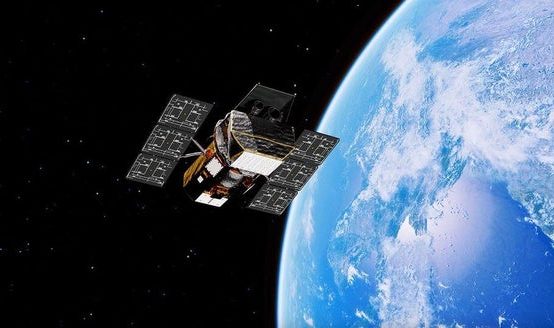 Swift Observatory’s Final Journey Ends in Earth’s Atmosphere
 Coastal Flooding Highlights El Niño’s Impact on Southern California