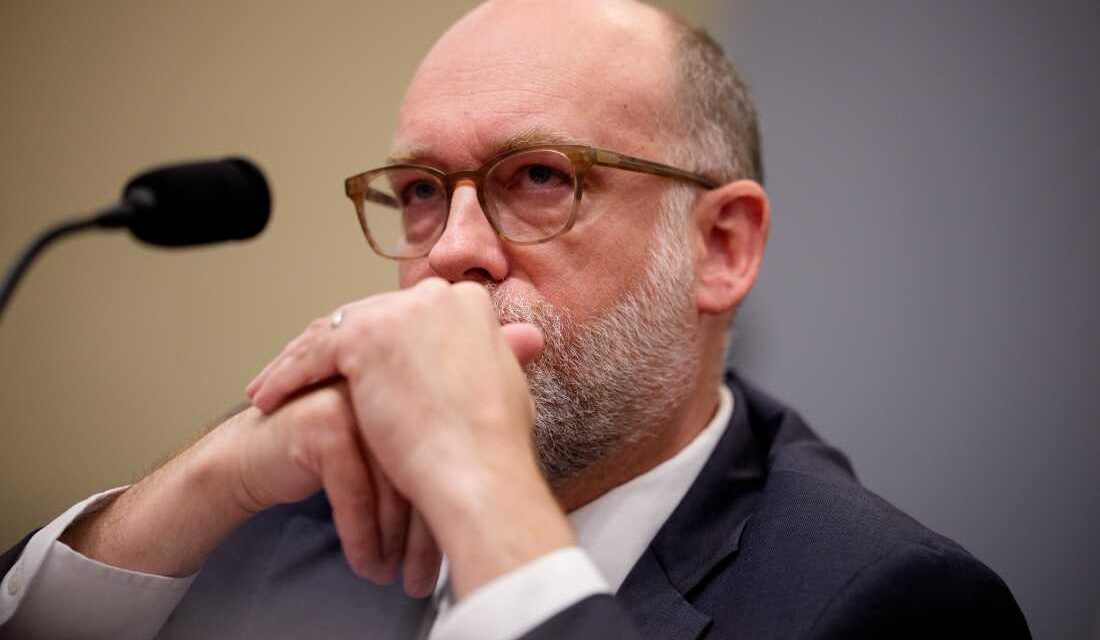
The White House Office of Management and Budget, led by Director Russell Vought, presented a proposal for a rule change that might shift control over federal research grants towards political appointees. This potential change affects numerous research fields, with health and science funding facing significant impact. Federal agencies traditionally rely on peer review processes when awarding research grants. Critics argue this proposed change could undermine these established methods.
An editorial by Holden Thorp, editor of Science magazine, criticized the move, suggesting it could severely damage the scientific community. The rule was published in the Federal Register on May 29. Experts warn that this shift could empower political agendas, particularly influencing public health, vaccine testing, biotechnology, and climate research.
Cole Donovan from Stand Up for Science expresses deep concern about the precedent this sets. He emphasizes ensuring the scientific enterprise does not quietly dwindle. Other advocates have also voiced strong objections, highlighting the potential risks to scientific integrity and independence.
The Role of Peer Review
Post-World War II, peer reviews became a cornerstone for maintaining scientific credibility. Historically, agencies have partnered with independent advisory committees to evaluate research proposals. Although not binding, these recommendations hold significant sway over agency decisions regarding research funding.
Donovan points out that traditionally, both peer reviews and non-political experts at agencies collaboratively guided funding decisions. This proposed change would allow political appointees to overrule peer-reviewed decisions, placing decision-making power in the hands of non-scientists. This situation evokes comparisons to previous times of political scrutiny, like the McCarthy era.
Potential Consequences
The Infectious Diseases Society of America highlighted concerns over prioritizing political interests over scientific merit. The proposed rule theoretically aims to boost efficiency, according to an OMB spokesperson. They suggest it could improve agency responses to waste or fraud.
Elizabeth Ginexi, a former National Institutes of Health staffer, opposes the proposed changes, questioning the wisdom of allowing non-scientists to decide on research progress. Concerns extend to prohibitions on research related to diversity, equity, and international collaboration.
Political and Public Response
Democratic lawmakers have condemned the proposal, warning that denying research based on political agendas harms the public. U.S. Rep. James Walkinshaw stressed the dangers of political influence on research.
Although unlikely that Congress will act on the rule, the public can submit comments on the proposal until July 13. OMB will review these before potentially finalizing the rule. Should the rule pass, legal challenges are expected.
 Generational Shifts Drive Progressive Wins, Says Ocasio-Cortez
  Exaggeration of Federal Savings Gains Attention
  Senator Fetterman Raises Concerns Over El-Sayed’s Senate Run
  Texas Senate Race Intensifies as Talarico Faces GOP Criticism
  Terri DeBoer Aims to Bring Common Sense Values to Michigan’s Third Congressional District
  Cassidy’s Critical Vote in Attorney General Confirmation Reflects IRS Controversy