
America’s founding generation confronted more than just unjust taxes. They realized surrendering their rights to government for security was a poor choice. They preferred risking death for freedom over living under tyranny. They resisted unchecked tyranny from across the ocean, with spies infiltrating taverns and unauthorized searches of their correspondence and papers.
Today, some bureaucrats behave like monarchs, prioritizing themselves over American freedoms. The Foreign Intelligence Surveillance Act (FISA) has become a modern version of the general warrants and writs of assistance that sparked the American Revolution. Initially created to track foreign threats, FISA has become a domestic surveillance apparatus, gathering Americans’ communications and bypassing the Fourth Amendment.
“The rattlesnake on the Gadsden flag is issuing a new warning: Don’t Spy on Me.”
On June 12, Congress will address the renewal of FISA’s Section 702. The intelligence community seeks a reauthorization without changes, but Americans demand a reassertion of liberty. Members of the House Freedom Caucus and Senate Steering Committee insist on reforms for a long-term solution.
The aim is not to oppose national security but to refuse sacrificing liberty for unchecked power. A starting point is revising the term “electronic communication service provider.” Years ago, surveillance expanded to include everyday Americans. A specific company was targeted, yet the language broadened, allowing the NSA access to any U.S. business or organization with digital communication. This includes local stores and churches.
The expansion increases the government’s reach and potential for abuse. Former Senate Intelligence Committee Chairman Mark Warner acknowledged the domestic surveillance issue and promised solutions, but Congress has yet to respond.
Next, the secrecy surrounding FISA must be addressed. Federal prosecutors impose indefinite nondisclosure orders on telecom companies, concealing their espionage activities. The NDO Fairness Act proposes adding judicial review and time limits on gag orders. People deserve transparency regarding the surveillance of their data, especially in non-national security cases.
Americans also expect action against federal agencies purchasing data from commercial brokers, including geolocation data, communications metadata, and browsing history. If such information is required, officials should obtain a warrant. Normalization doesn’t imply acceptability; closing this loophole is essential.
The intelligence community desires an unchanged reauthorization, but Americans expect a reaffirmation of their liberties. The alarming issue remains the millions of “backdoor” queries conducted without warrants. In 2021, under the Biden administration, nearly 3 million such searches were made in 702 data, with 278,000 conducted improperly. Yet, no accountability followed.
While monitoring overseas threats is crucial, searches of U.S. citizens’ data should meet constitutional probable cause standards, with warrants issued by courts, except in imminent threats.
Though the Constitution’s framers couldn’t foresee the digital age, the principles persist. Warrants were necessary for intercepted letters or home entries in the 18th century, so why consider emails or smartphones differently? Technology evolves, but constitutional integrity holds.
As June 12 nears, Congress must reject a straightforward renewal of FISA. The warning is evident. Americans expect meaningful reforms to protect their freedoms.
Republican Rick Scott represents Florida in the United States Senate. He is a former Florida governor. Republican Keith Self represents Texas’s 3rd congressional district in the United States House of Representatives. Rep. Andy Harris, a Republican, represents Maryland’s 1st Congressional District.
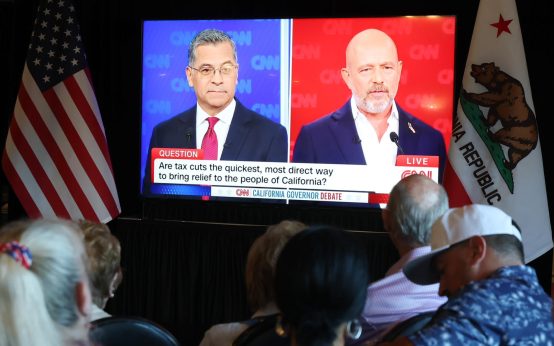 California Governor Debate: Xavier Becerra vs. Steve Hilton
 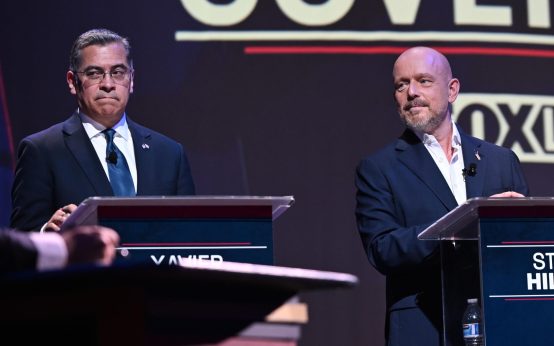 Becerra and Hilton Clash in California Gubernatorial Debate
 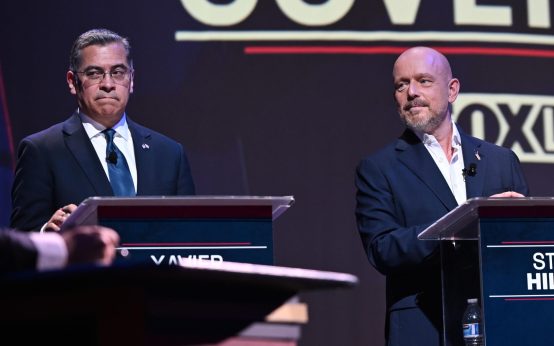 California Gubernatorial Debate Highlights Becerra vs. Hilton
  California to Vote on $7.5 Billion Scientific Research Fund
 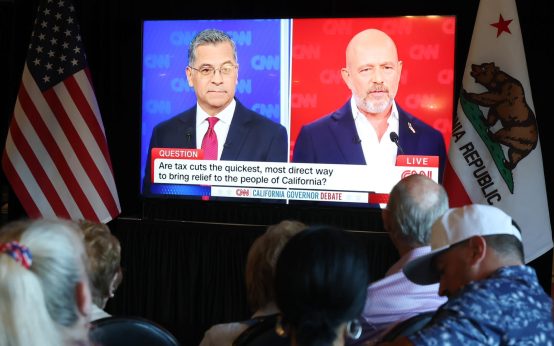 California Gubernatorial Debate: Becerra and Hilton’s Clash Highlights Key Issues
 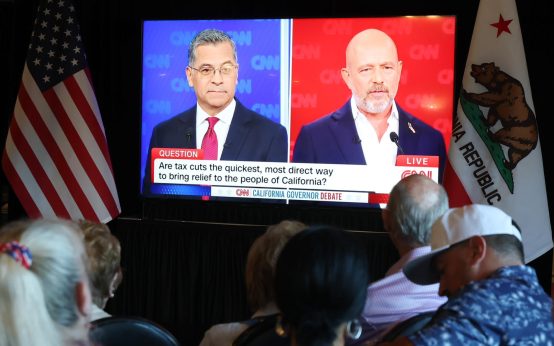 California Gubernatorial Debate: Becerra vs. Hilton