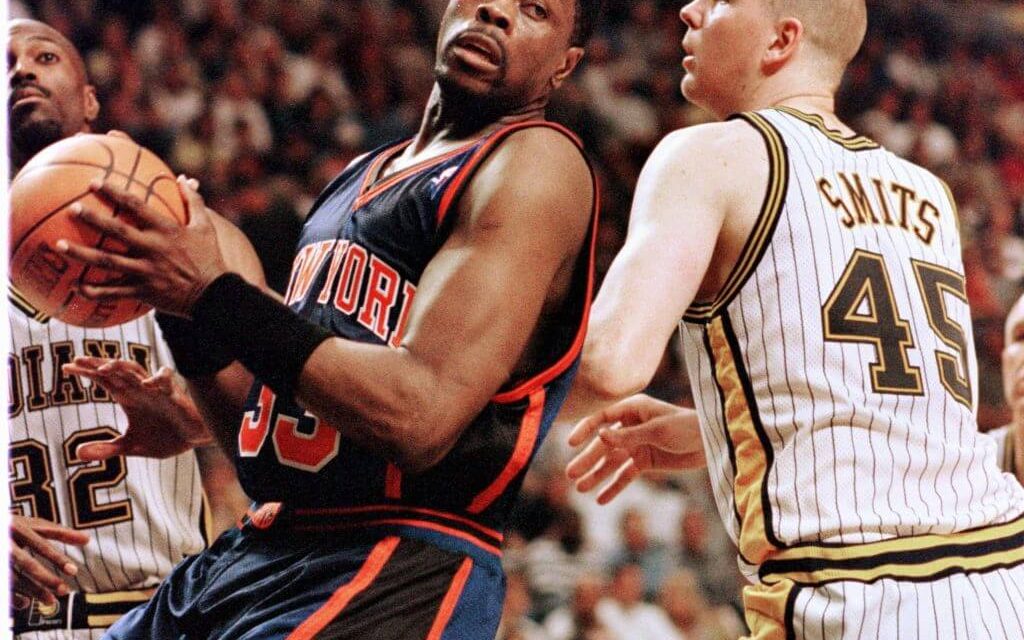
It has been nearly three decades since the New York Knicks last appeared in the NBA Finals. Now, they are back. Madison Square Garden will host a finals game once again. The past 27 years have been tough for Knicks fans, marked with losses and many setbacks.
Despite the long list of disappointments, such as Jerome James, Antonio McDyess, Eddy Curry, and Joakim Noah, those days are behind. New York has returned in a unique manner, creating a team that recalls the 2020 Los Angeles Lakers as one of the rare teams reaching the finals without any first-round picks in the starting lineup.
There were no shortcuts this time. Instead, thoughtful roster building and smart decisions have positioned the Knicks two wins away from their first franchise title since 1973. Key decisions have defined this journey, contrasting with previous decades of struggles.
Trading Patrick Ewing
The deconstruction of the ’90s Knicks began in September 2000. Although Ewing, a franchise legend, was past his prime at age 38, his trade to Seattle ushered in a new era. In return for Ewing, the Knicks received an aging Glen Rice, among others, and gave up a first-round pick in the deal. This move marked the end of an era of competitive Knicks basketball.
Acquiring Antonio McDyess
The acquisition of McDyess in June 2002 was a strategic blunder. With a hefty six-year, $67 million contract and a knee injury, McDyess played only 18 games before being traded away again. The cost was high, involving Marcus Camby, Mark Jackson, and the No. 7 pick (Nenê) for nearly no return.
The Larry Brown Era
In 2005, Larry Brown took over as coach after triumphing with the Detroit Pistons. Brown lasted one turbulent season in New York, finishing with a 23-59 record. He was let go with $40 million left on his contract, replaced by Isiah Thomas. Brown’s tenure was chaotic, marked by conflicts and disagreements.
The Carmelo Anthony Trade
Acquiring Carmelo Anthony before the 2011 trade deadline was a high-cost move for New York. While providing star power, the acquisition arguably restrained the team’s long-term growth. Although Anthony’s era didn’t bring expected success, it added notable star presence.
Linsanity
Jeremy Lin’s brief period with the Knicks in 2012 was notable. Lin offered joy and marked one of the Knicks’ most remembered moments, despite the short tenure.
Kyle Lowry Trade Attempt
New York nearly traded for Kyle Lowry in 2013, but the deal stalled. Lowry rose to prominence as an All-Star and a champion, illustrating the missed opportunity.
The Return of Phil Jackson
Phil Jackson’s stint as team president began in March 2014. His decisions led to tension with players and management failures, including not hiring Steve Kerr and drafting Frank Ntilikina over Donovan Mitchell. Jackson exited after three disappointing seasons.
Kristaps Porziņģis Trade
The decision to trade Kristaps Porziņģis in January 2019 was controversial. Despite potential and fan support, New York opted to move him rather than offer a major extension. The trade brought picks, contributing to rebuilding efforts.
Leon Rose’s Leadership
Leon Rose’s appointment in February 2020 marked a strategic pivot. With player expertise, Rose structured a thoughtful management regime, nurturing executive talent like Frank Zanin, Walt Perrin, and Scott Perry. Smart hires like coach Tom Thibodeau contributed to this renewal.
Drafting Immanuel Quickley
Drafting Quickley was crucial. Acquired through strategic trades, Quickley emerged as an essential player for the Knicks, aiding early achievements under Thibodeau.
Trading for Derrick Rose
The acquisition of Derrick Rose bolstered the Knicks’ outdated roster. Working well with Thibodeau’s approach, Rose aided New York’s playoff appearance in the 2020-21 season.
Signing Jalen Brunson
In 2022, signing Jalen Brunson strengthen the Knicks’ position. Initially viewed as risky, Brunson established himself as a foundation for the Knicks’ current success.
Acquiring Josh Hart
In early 2023, acquiring Josh Hart enhanced the squad’s dynamics. Known for fierce plays, he contributed crucially to the Knicks’ resilience.
Acquiring OG Anunoby
The deal to bring OG Anunoby in December 2023 involved significant player exchange, including R.J. Barrett and Quickley. Anunoby’s defensive prowess and adaptability augmented the Knicks’ drive.
Mikal Bridges Trade
Even though the five-pick trade for Mikal Bridges was disputed, Bridges’ defensive reputation and connections with other team players have bolstered postseason performance.
Karl-Anthony Towns Trade
Bringing in Karl-Anthony Towns proved invaluable, amplifying offensive strategies and contributing defensively.
Changing Leadership: Thibodeau to Mike Brown
While Thibodeau led successful seasons, moving to Mike Brown marked a shift in strategic outlook. Brown galvanized the team, reaching the finals and shaping engaging play styles.
 Holly Campbell and the Popularity of Lions Coach Dan Campbell
  Josh Allen Searches for Wife After Bills’ Victory
  Tensions Flare: Rams’ Alaric Jackson Faces Suspension After Postgame Altercation with Bills’ Bradley Chubb
 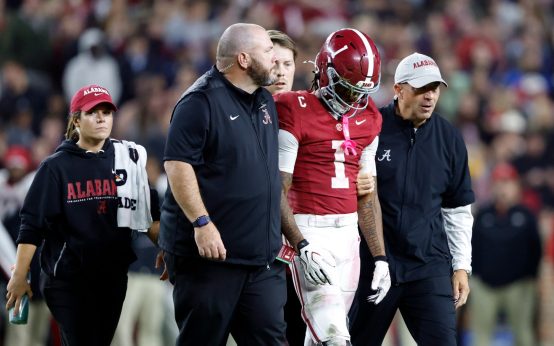 Alabama Faces Challenges Against Tennessee Without Key Player
 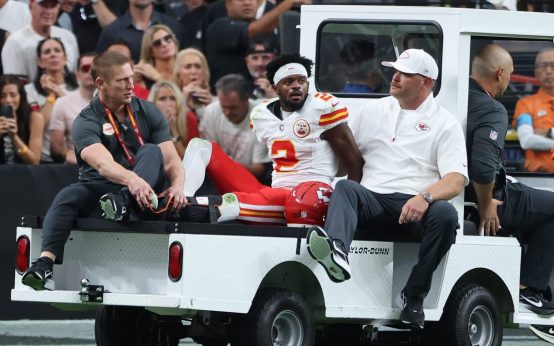 Kansas City Chiefs Eye Jerry Jeudy Amid Injuries
 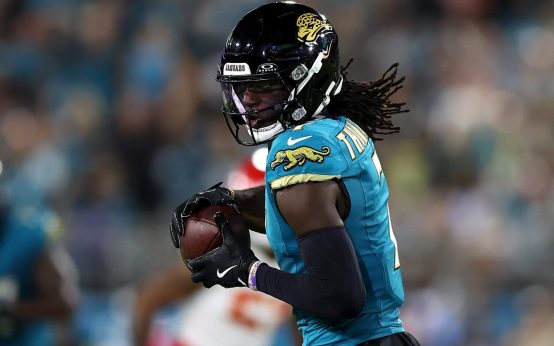 Raiders Consider Trade for Jaguars’ Brian Thomas Jr. to Enhance Offense