Late last year, Australia became the first country to implement a nationwide ban on social media accounts for children under 16. Yet, six months later, the law’s effectiveness is in question as many teens return to platforms they were meant to avoid. This has been a letdown for parents and governments worldwide who closely monitor the initiative.
However, some parents believe the true impact of the ban could benefit the next generation, particularly younger children not yet on social media. These children might remain offline due to the law’s influence.
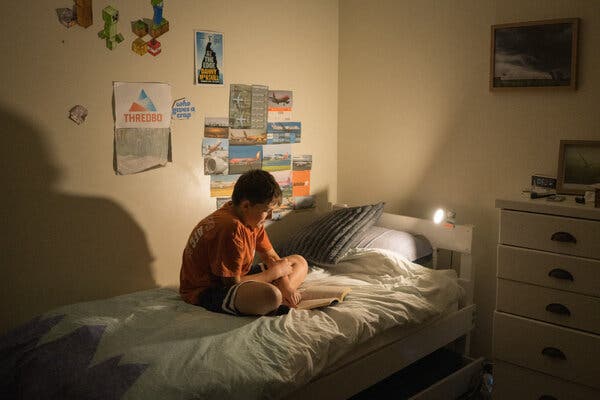
An example is Ethan, Naomi Parrish’s 12-year-old son, who received a smartphone in December when the law came into effect. Since then, he regularly tries to persuade his mother to allow him to download TikTok. Ms. Parrish constantly faces requests for permission through her phone. Ethan even uses a whiteboard to list reasons for having the app and has penned letters, decorated with stickers, to appeal his case.
Ms. Parrish has consistently resisted, citing Australia’s social media legislation as her main argument. This persistent stance showcases the ongoing struggle many parents face.
While the immediate results of the ban are mixed, some see potential long-term benefits for younger children who may grow up with more controlled screen time.
 Increasing Number of Americans Seek Luxembourg Citizenship Amid Political Tensions
  Jack Keane Defends Israel Amid UN Criticism, Pillay’s Nobel Victory
  Empire State Building Honors Fox News’ 30th Anniversary
  A Pressing Solution for Alzheimer’s
  Understanding the Perils of Ectopic Pregnancy
  Investigating the Far-Left Influence Behind France’s Student Protests