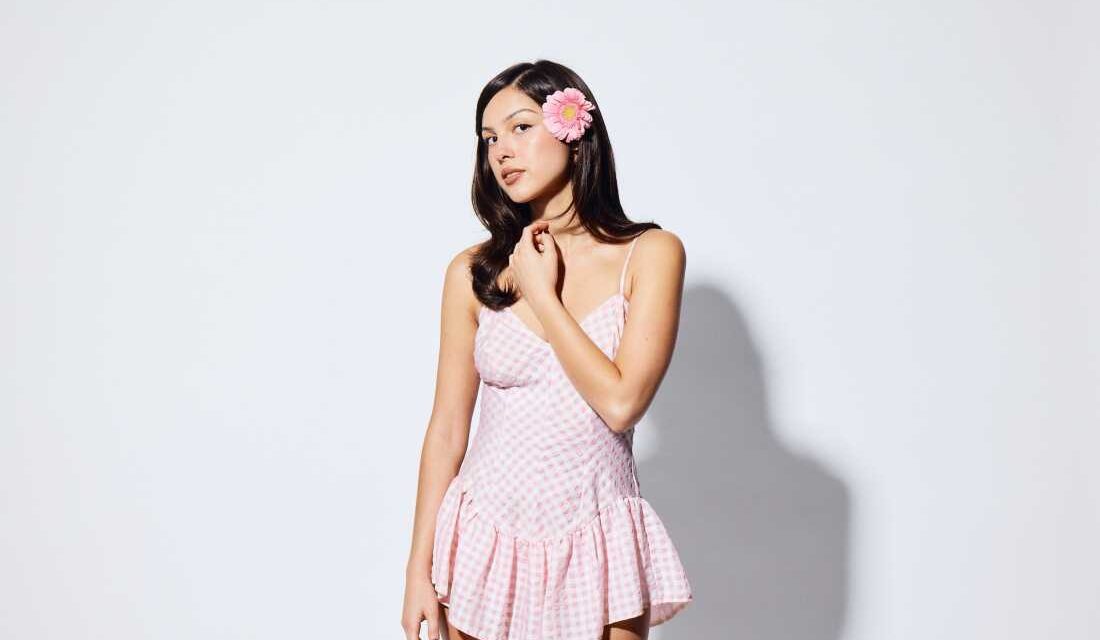
Olivia Rodrigo’s latest work, you seem pretty sad for a girl so in love, marks a shift in her artistic journey. Known for her sharp response songs targeting ex-lovers, Rodrigo now tackles the theme of all-consuming love. This trajectory takes a turn with a breakup occurring during the album’s creation.
“My god, love’s embarrassing as hell,” Olivia Rodrigo sings in her sophomore album Guts, expressing self-deprecation and a playful critique of her romantic missteps. Over time, these missteps have inspired chart-topping hits like “Drivers License” and “Vampire.”
Rodrigo’s latest album narrates a significant mistake, chronicling the collapse of what she describes as her “real, big girl” relationship. Gossip suggested that Rodrigo revisited the album following a well-publicized breakup. She started with love songs and transitioned to breakup songs, adjusting the collection to reflect her journey.
This fragmented narrative appeals to young listeners in an age where relationships are public fodder. Despite the challenge, Rodrigo tackles it head-on. Her previous album, Guts, showcased grungy rock influences and revealed her evolving maturity as an artist.
You seem pretty sad for a girl so in love narrows its focus. The album’s first half bursts with an exaggerated, cartoonish love. Rodrigo uses vivid metaphors to express intense emotions: “Kiss me and I might drop dead” or “I’m a car speeding down the boulevard without a brake.” These portrayals verge on melodrama but remain sincere.
Musically, Rodrigo and collaborator Dan Nigro weave in ’80s pop and New Wave influences. Tracks like “My Way” and “u + me = <3" exhibit soft soundscapes reminiscent of Debbie Harry and The Cure. This stylistic embrace contrasts Rodrigo's past aggressive pop punk edges.
Mid-album, a shift occurs towards a darker reflection on her failing relationship. In a duet with Robert Smith from The Cure, emotions of doubt and entrapment surface. Originally upbeat, the song reworks to embrace the relationship’s dismal impacts.
Rodrigo’s artistic voice consistently captures the lifecycle of relationships: the thrill of love, its reality, and breakdown. Her previous works brought poignant, post-mortem realizations; however, this album lingers on present angst without epiphanies.
Nonetheless, the track “the cure” stands distinct. In this song, Rodrigo acknowledges that despite the intense love she experienced, it cannot heal her. The haunting realization redirects her anger, not at an ex, but towards her own uncovered vulnerabilities.
Rodrigo’s body of work shines in connecting listeners emotionally. As she dives into this deeper exploration of identity and transformation, it reinforces her place within the pop music scene, dissecting personal experiences with raw honesty.
 Javier Bardem Faces Backlash Over Pink’s UNICEF Controversy
  Discussion on NFL Draft Comparison and Simone Biles’s Car Issue
  Ella Langley Makes Billboard Hot 100 History with ‘Choosin’ Texas’
  Bunnie Xo’s Post-Divorce Adventures Spark Debate Over Age Gap
  Alan Ritchson Faces Backlash Over Political Remarks
  Ella Langley’s Record-Breaking Chart Success: The Rise of ‘Choosin’ Texas’