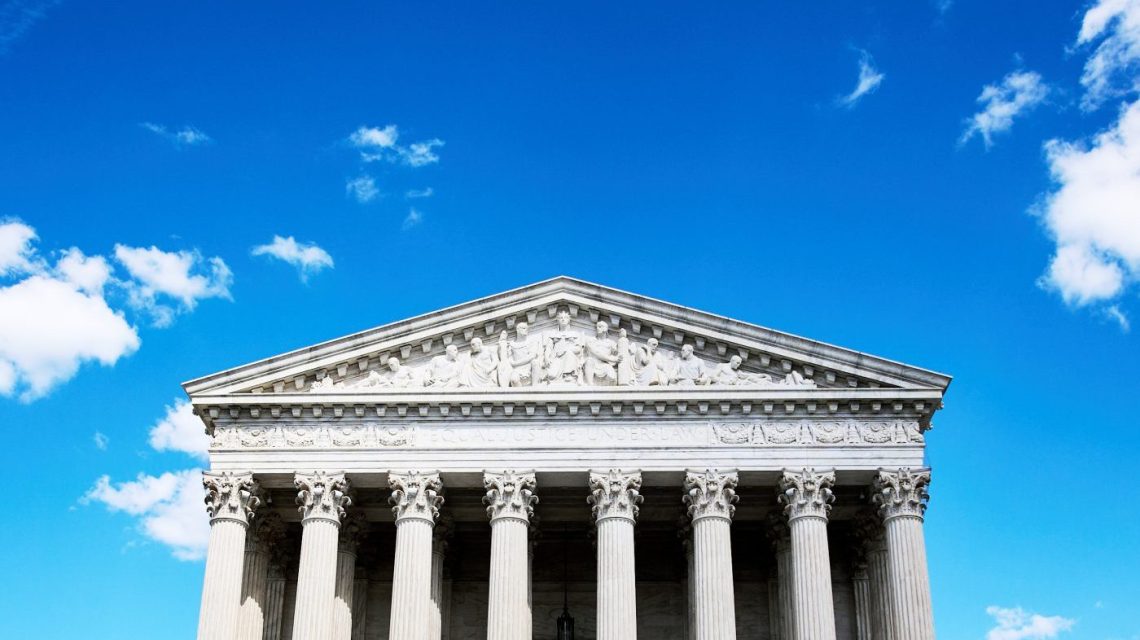
The Supreme Court stands visible in Washington on April 30, 2026. Many families pause to pray before meals, continuing a tradition upheld by generations. But the thought of obtaining government permission to do so seems foreign to most. This became a reality for Daniel Grand, an Orthodox Jew in University Heights, Ohio.
Grand, following religious practice, required a minyan of at least ten Jewish men to pray. On religious days, travel is restricted, necessitating local gatherings. When Grand invited friends to his home for prayer, he unexpectedly received a city notice. It stated he must stop using his home for religious assembly without a special-use permit. This permit is typically needed for worship places in residential zones. Grand, merely wanting to pray, complied and applied for the permit.
Community pushback followed. Objections arose, with some residents opposing the area being identified as Jewish. At a public hearing, Grand faced heckling and resistance. Directed to return for another hearing, Grand chose to withdraw his application quietly.
The city then suggested neighbors monitor Grand’s visitors. Police cars patrolled, and Grand faced baseless housing code violations. His certificate of occupancy and tax abatements were withheld, resulting in financial loss. Garbage collection became sporadic.
The permit, if granted, would require converting his house into a synagogue, where zoning laws prohibit residence. A catch-22 ensued: Grand couldn’t live where he prayed, nor pray where he lived.
Recognizing a First Amendment breach, Grand initiated legal action. However, the courts required him to complete the permit process before pursuing federal litigation. This stance contrasts federal appellate court decisions. The 1st and 11th Circuits allow immediate federal court access upon constitutional rights’ violation, while the 3rd, 9th, and 6th Circuits, including Grand’s case, require process completion first.
If residing in cities like Boston or Atlanta, Grand’s case might have been adjudicated. Yet, in regions like Cleveland, the legal pathway remains blocked. Such clashes in multiple circuits underscore broader religious practice persecution issues. For non-religious gatherings, like book clubs, no similar city requirements exist. This highlights government-fostered religious discrimination.
The case is an example of how zoning regulations can hinder religious freedom, a fundamental right. When court circuits disagree on when constitutional issues reach the court, the matter gains significance for Supreme Court consideration. A ruling could determine if individuals like Grand retain their rights to religious expression without undue governmental interference.
This discussion is penned by John Bursch, senior counsel at Alliance Defending Freedom.