The Presbyterian Church (USA) will address a proposal at its General Assembly this summer to require ordained clergy to practice monogamy. This motion, referred to as CON-10, has sparked significant online debate but has not yet garnered widespread support from church groups. Another related proposal calls for theological studies on gender, sexuality, and the nature of family, aligning with the denomination’s commitment to inclusivity.
As societal recognition of polyamory grows, churches, particularly those with progressive theological views, may need to reassess their policies. The Rev. Claudia Aguilar Rubalcava of More Light Presbyterians, an LGBTQ-supporting group, noted that such discussions are likely to be a significant focus for many mainline denominations.
The proposal on monogamy targets queer communities and promotes a narrow view of relationship within Christian life, disregarding the rich biblical tradition and diversity of faithful experiences, said More Light Presbyterians.
The group rejects the idea of enforcing a singular relationship model, arguing that scripture supports diverse expressions of love and justice. Aguilar Rubalcava encounters polyamorous Presbyterians seeking validation for their relationships. Kate Davoli, involved in the organization, shared her experience of being removed from the ordination process due to her openness about being polyamorous.
The PCUSA’s current requirements do not specifically address polyamory. In 2011, a change allowed LGBTQ individuals ordination by removing restrictions related to marital fidelity and chastity. Today, marriage is described in the Book of Order as a unique commitment between two people, commonly a man and a woman. CON-10 aims to mandate monogamous relationships for clergy, arguing that polyamorous or polygamous relationships might lead to power imbalances and emotional harm, especially for women and marginalized communities.
Passing this proposal requires approval from the PCUSA’s highest council, the General Assembly, and ratification by more than half of the organization’s over 160 presbyteries. Currently, support appears limited, as only the proposing Presbytery of Sierra Blanca endorses it. Opposition includes three advisory committees, which criticize the proposal’s invasive stance on personal lives, narrow definition of family, and unclear language. Another committee argues that the proposal does not meet the criteria for constitutional amendments.
Another proposal titled “Beyond Changing Families: Flourishing Relationships and Belonging” has gained more favorable views, advocating for theological exploration into relational ethics. Davoli highlighted ongoing grassroots discussions about polyamory in the context of responsible church ministry.
As polyamory receives greater visibility, more denominations are confronting their responses to nonmonogamy. The Episcopal Church and the Evangelical Lutheran Church in Canada have dealt with related issues but have yet to adopt comprehensive stances. Still, numerous Christians across the spectrum see polyamory as incompatible with their beliefs.
Matthew Vines, an advocate for LGBTQ inclusion in Christianity, downplays the CON-10 proposal as a measure of nonmonogamy’s acceptance in the church. Vines contends that linking polyamory to LGBTQ inclusion might hurt the progress made for LGBTQ acceptance within church communities.
Advocates for polyamory reference various relationship models in religious texts, highlighting the value of safe, consensual partnerships with defined boundaries. More Light Presbyterians recently held a training session addressing polyamory from a faith perspective, presenting the Trinity as a model of loving, inclusive relationships.
The General Assembly will address both the monogamy proposal and the study on relationships by the end of their meeting on July 2.
 Controversial Sneaker Ad Sparks Backlash
  New Pub Opens at the British Embassy in D.C.
  Sir Don McCullin’s Lasting Legacy Through the Lens of War
  Artistic Chronicle of Communities’ Recovery Post-Hurricane Helene
  Chicago History Museum’s Latin American Exhibit Sparked by Student Protests
 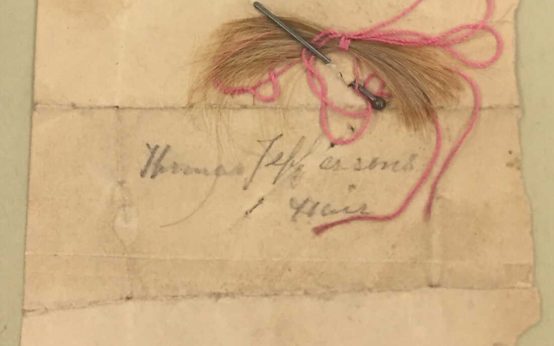 DNA Links Jefferson to Hemings Descendants