
China has become the first to approve a commercial brain chip, NEO, developed for patients with paralysis from spinal cord injuries. This approval marks a significant step forward, moving brain-chip technology closer to practical medical use.
NEO is a brain-computer interface (BCI) developed by researchers at Tsinghua University and Neuracle Technology. It is designed to read brain activity and convert those signals into commands for external devices, potentially helping patients control prosthetic limbs.
How NEO Works
What sets NEO apart is its placement under the skull, resting on the brain’s outer protective layer, the dura mater, rather than penetrating deep into brain tissue. This design is less invasive compared to other implants, such as those developed by Elon Musk’s Neuralink.
Despite being less invasive, every brain implant carries risks, including bleeding and infection. Thus, China’s NEO remains a specialized device for patients with severe paralysis.
Medical Prospects
Worldwide, more than three billion people live with neurological conditions like Parkinson’s disease and spinal cord injuries. NEO offers a new hope by potentially allowing these individuals to regain control over movement and interaction.
For instance, Neuralink has demonstrated how similar technology helps paralyzed individuals like Audrey Crews write her name just by thinking through the implant.
Privacy and Security Concerns
The approval of a brain-computer interface raises significant privacy questions. BCIs like NEO collect and process neural data, prompting concerns over who controls this data and how it might be used or shared.
This worry parallels existing concerns over data collection by smartphones and other connected devices. However, BCIs delve into more personal territory as they involve decoding signals from the nervous system.
Cybersecurity Risks
Any device interfacing with computers brings security questions. A breach affecting a patient controlling a robotic limb or communication device through a BCI might risk their freedom and safety.
To mitigate these risks, strong cybersecurity measures, including encryption and strict access controls, are vital from the outset.
Conclusion
Although targeted at specific medical needs, the implications of NEO’s technology are broad. With data transmission originating from within one’s body, privacy concerns are paramount. Answers about data access, storage, and sharing should precede further introduction of such technology into daily use.
While BCIs like NEO promise remarkable medical advancements, ensuring robust privacy protection and cybersecurity is essential for fostering trust and safety.
 President Trump Proposes ‘Super Intelligence’ as New AI Term
  First Lady Melania Trump’s AI Education Push Amid Concerns
  Expansion of Data Centers Fueled by AI Development
  Beijing’s Tactical Undermining of U.S. Supremacy Through AI
 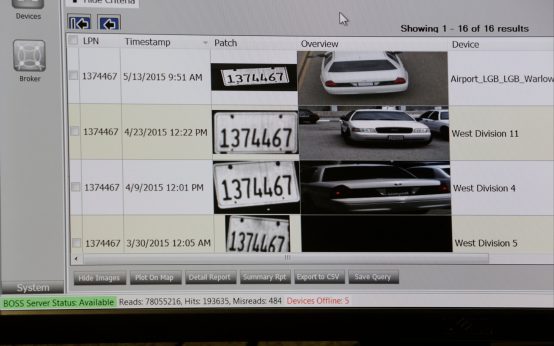 Controversy Surrounds Automated License Plate Readers Across the U.S.
  Trump and Harp Sued Over Truth Social Subscriber Program