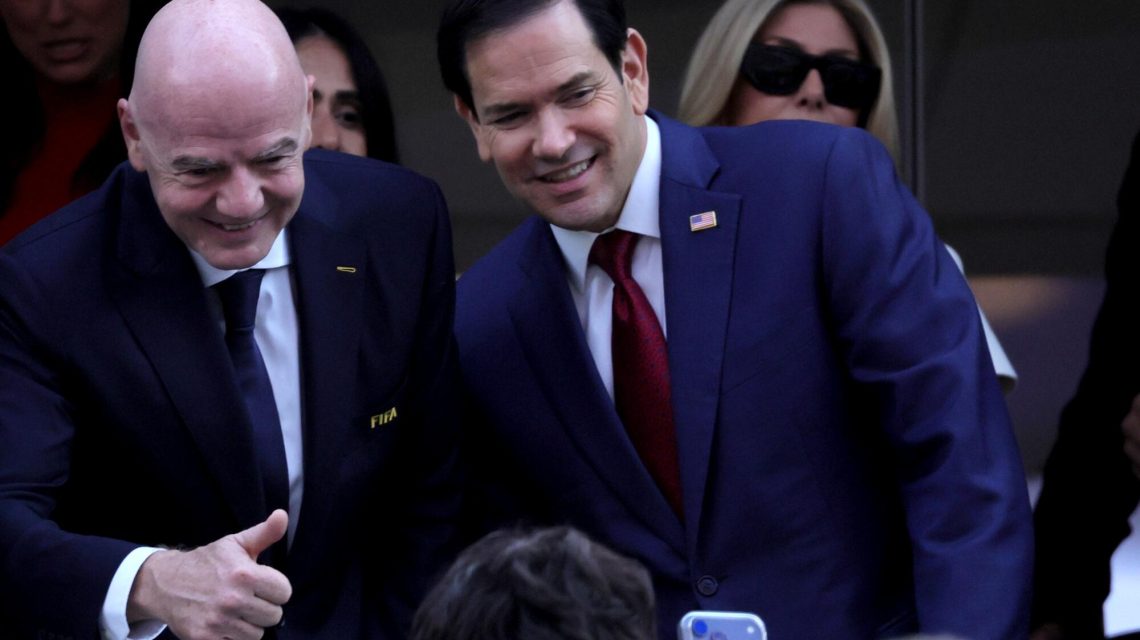
The origin of the World Cup began with a vision. Jules Rimet, a French machine-gun officer during the First World War, dreamed of an international soccer tournament that would unite nations and foster peace. Today, the World Cup is a global phenomenon, celebrated by 48 countries. This expansive event, estimated to generate around $8.9 billion, is hosted by three nations, one of which initiated conflict against another participating country shortly before the tournament.
The United States and Iran’s conflict affected the tournament significantly. Iran’s national team, known as Team Melli, faced unique challenges. Unlike other teams, Iran endured inconsistent travel restrictions and uncertainties, relocating frequently between Southern California and Tijuana. Despite these challenges, Team Melli achieved a notable 0-0 draw against the world’s No. 10-ranked team, Belgium. This result positioned Iran to potentially advance from its group for the first time and even win Group G.
Iran’s challenges highlight concerns about the claimed apolitical nature of the tournament. This situation raises questions about how future global events, such as the Olympics planned in Los Angeles in two years, will manage international participation. Will nations resort to blanket bans? Will diplomacy be overlooked in favor of convenience when hosting global spectators?
Previous World Cups in Russia and Qatar managed to simplify visa processes for all teams and fans. However, the U.S. State Department suspended visa issuance not only for Iranians but also participants from Haiti, Senegal, and the Ivory Coast. Additionally, Iraq’s striker, Aymen Hussein, experienced a seven-hour questioning at Chicago’s O’Hare airport. Iranian players, except 15 administration officials who were denied entry, were granted access to the U.S. only within 24 hours of a match, creating logistical hurdles.
These restrictions, considered arbitrary, placed Team Melli at a competitive disadvantage. Winger Alireza Jahanbakhsh remarked positively about his team’s unity under these conditions, showcasing their character. Coach Amir Ghalenoei shared through an interpreter that Iran faced war-related hardships for six months, leading to league suspensions and challenging travel conditions.
FIFA, the sport’s governing body, claims to unite the world through football. Despite its influential status, FIFA’s response to the geopolitical intricacies affecting the World Cup was limited. There were no sanctions or threats, unlike past actions such as fines for racist incidents or banning nations for rule violations.
Peace talks between the United States and Iran persist, but Iran’s football delegation experienced restrictions impacting their preparations. Iran’s draw against New Zealand and upcoming match against Egypt underscore ongoing challenges. Coach Ghalenoei expressed frustration over inconsistent travel arrangement permissions, questioning why earlier matches did not receive similar accommodations.
These inquiries reflect broader concerns about the conduct of the World Cup. Events like these should prioritize fair competition and unity, yet political barriers continue to influence the beautiful game.
 Ronald Acuna Jr. Suffers Injury During Game Against Cincinnati Reds
  Joe Burrow’s Unexpected Post-Game Recovery
  Rangers Place Players on Waivers Ahead of Season Opener
  Cubs Face Crucial Pitching Decisions Amid Wild Card Race
  Chicago Cubs vs. Miami Marlins: 12-Inning Game Recap
  Alabama Football’s Comeback and Controversy