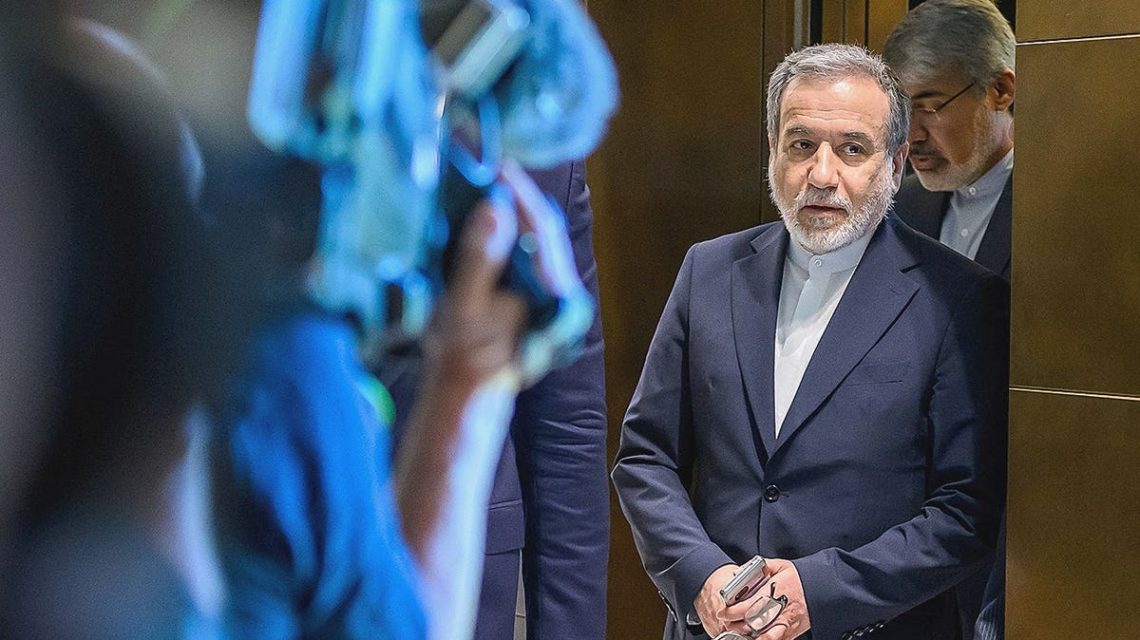
U.S. and Iranian negotiators convened in Switzerland to discuss an emerging dispute over the potential release of billions in Iranian assets. The disagreement risks testing the durability of a recent interim agreement.
The memorandum of understanding (MOU), signed on June 17, initiated talks held at Bürgenstock, close to Lucerne, Switzerland. Iran International reported that President Masoud Pezeshkian indicated Tehran’s expectations concerning funds in Qatar, stating, “$6 billion of our funds in Qatar will be returned. Trump, who denied Iran its rights, acknowledged them in his speech.”
The dispute traces its origins to discussions during the G7 summit in Évian-les-Bains, France. President Trump commented, “We froze their money, it’s their money, and eventually, we’ll have to return it.” He emphasized that access to the funds requires strict conditions, maintaining that Iran would receive “not ten cents” during the negotiation period unless commitments are met.
Alex Vatanka, a senior fellow at the Middle East Institute, clarified that releasing frozen assets is more than an economic concern. It serves as a significant political test of trust between Tehran and Washington and will soon manifest as a major implementation challenge. Paragraph 11 of the MOU framework stipulates that the U.S. “undertakes to make fully available” restricted Iranian funds, yet the process remains conditional, demanding compliance.
Following the framework, discussions appear focused on securing access to approximately $24 billion to $25 billion initially, despite differing estimates of the total frozen wealth, ranging from $100 billion to $120 billion. Countries like China, India, Iraq, and South Korea hold these assets under financial restrictions.
Vatanka highlighted that the dispute encompasses more than the payout size. The core issue revolves around control over the funds’ expenditure. Iranian officials emphasize their sovereignty, whereas the U.S. seeks to attach conditions, preserving leverage.
Qatar’s Foreign Ministry stated the talks aim for a comprehensive and lasting framework agreement. Technical teams negotiate the final deal with oversight groups monitoring implementation and progress. The U.S. and Qatar explore a mechanism to direct an initial $6 billion toward humanitarian purchases, including food and medicine.
Western intelligence officials express concerns over unfrozen funds possibly diverting to regional conflicts instead of domestic development. Reports suggest Iran has signaled increased financial backing for Hezbollah upon improved cash flow. Vatanka mentioned Iran’s pledge to support weakened proxies in Lebanon using a portion of reconstruction funds. The U.S. insists these assets cannot fund terrorist organizations, warning withdrawal of access if Tehran violates terms.
Discussions also reveal differing views on the agreement’s purpose. Tehran presents the $25 billion as gradually released funds for infrastructure projects like roads, airports, and transport corridors. Washington, however, envisions a controlled release mechanism prioritizing humanitarian and civilian use.
Emma Bussey contributes as a breaking news writer for Fox News Digital. Formerly, she worked at The Telegraph covering various sectors, including foreign, politics, news, sport, and culture.
 Elon Musk’s Plan to Expand Starlink’s Role in Ukraine
 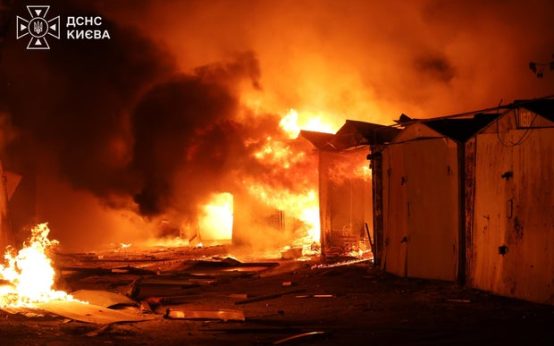 Russian Strikes Result in Fatalities Near Kyiv
 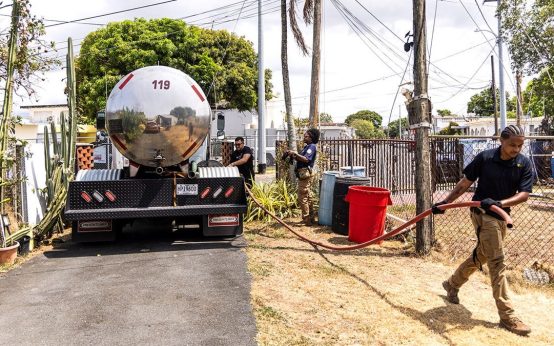 Puerto Rico Implements Water Rationing Amid Drought
 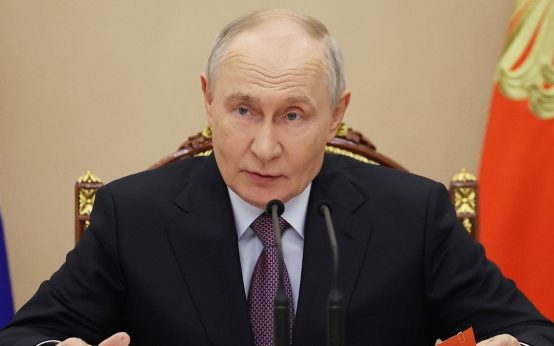 U.S. Intelligence Suggests Potential Russian Threat to NATO
 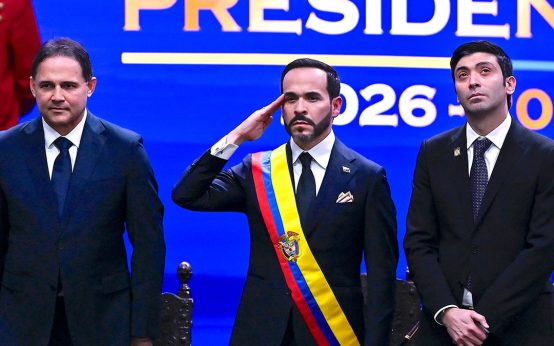 Colombia’s New President Begins Conservative Shift
  U.S. Intelligence Warns of Increasing Russian Provocations Against NATO