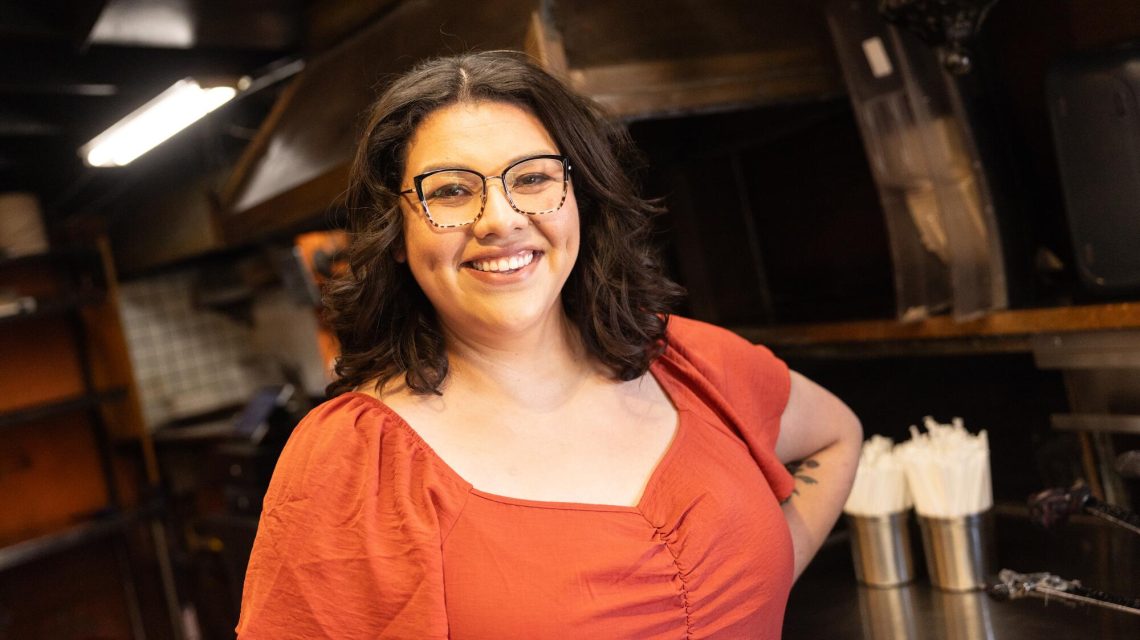
In April, Liliana Robertson, manager of Cielito Lindo, faced a disturbing situation. An anonymous tip revealed that employees were allegedly taking cash from the historic restaurant. Records indicated losses up to $600 per shift. The management team terminated several employees and opted to close the restaurant temporarily on May 12 due to staffing and electrical issues.
Cielito Lindo, a staple on Olvera Street, has served as a cultural touchstone for L.A.’s Mexican community since its founding in 1937 by Aurora Guerrero. The restaurant became famous for taquitos with avocado salsa, attracting tourists and locals for decades. However, like many Mexican-owned businesses on Olvera Street, Cielito Lindo struggles with declining foot traffic, increased expenses, and overdue rent payments.
History of Olvera Street
Originally called Wine or Vine Street, Christine Sterling discovered the neglected alley in 1926. Moved by its condition, Sterling led a campaign to transform it into a commercial and cultural center, promoting Spanish and Mexican traditions. By 1930, the refurbished Olvera Street opened, featuring enhancements like tile floors and vendor stalls. It became a hub for Mexican artisans and a tourist attraction.
Sterling’s vision included inviting local business owners to start stores and restaurants, including Cielito Lindo and La Luz del Día. Today, these legacy businesses, like many others on Olvera Street, strive to maintain operations despite economic challenges.
Challenges Facing Business Owners
Before the pandemic, Olvera Street welcomed 1 to 2 million visitors annually. Now, it struggles to attract more than 500,000 visitors each year. This reduction affects sales, leading some businesses to close or operate on shortened schedules. For example, La Golondrina closed permanently in 2024 due to costly rent and maintenance issues.
Business owners also deal with declining sales, rent arrears, and the burden of maintaining old buildings. The city owns El Pueblo Historic Monument, but tenants must handle rent and building costs, often leading to delays in renovations, like Cielito Lindo’s electrical updates.
Safety and Revitalization Efforts
Recent concerns include safety due to a nearby homeless population, which sometimes disrupts the tourist-friendly atmosphere. In response, LAPD and El Pueblo officials work to ensure regular patrols and security. As general manager since 2025, Domenika Lynch aims to promote Olvera Street through clean and safe environments and cultural events, such as the El Pueblo de Los Angeles Heritage Festival and monthly Mercado Nights.
To diversify offerings, Lynch seeks new tenants for empty storefronts and hopes local merchants will adapt business practices to meet modern demands, like accepting credit cards.
Preserving Heritage and Legacy
For business owners like Gregory Berber of La Luz del Día, maintaining a presence on Olvera Street is about preserving family heritage and cultural identity. Online efforts, including sharing stories and securing donations, have helped some businesses gain visitor interest, though persistent challenges remain.
Lynch and city officials explore grant funding and other support measures to assist vendors in managing debts beyond temporary relief, emphasizing sustainable solutions over short-term fixes.
 Artistic Chronicle of Communities’ Recovery Post-Hurricane Helene
  Chicago History Museum’s Latin American Exhibit Sparked by Student Protests
 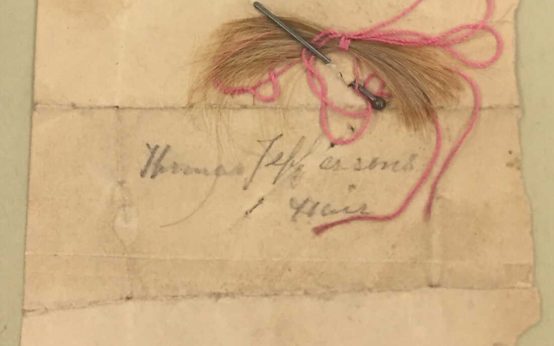 DNA Links Jefferson to Hemings Descendants
  Ari Emanuel’s Memoir: A Business-Centric Narrative
 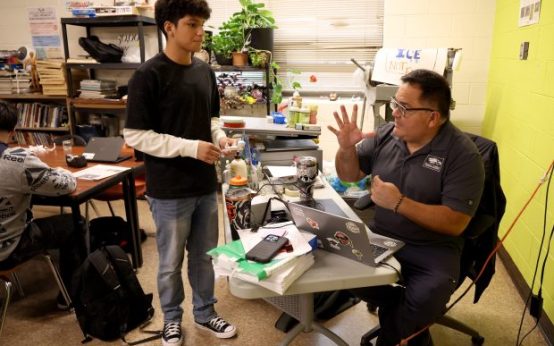 Celebrating Day of the Dead: Students Craft Calaveras in Pilsen
  Controversial Revelations from Charles Spencer’s New Book on Princess Diana