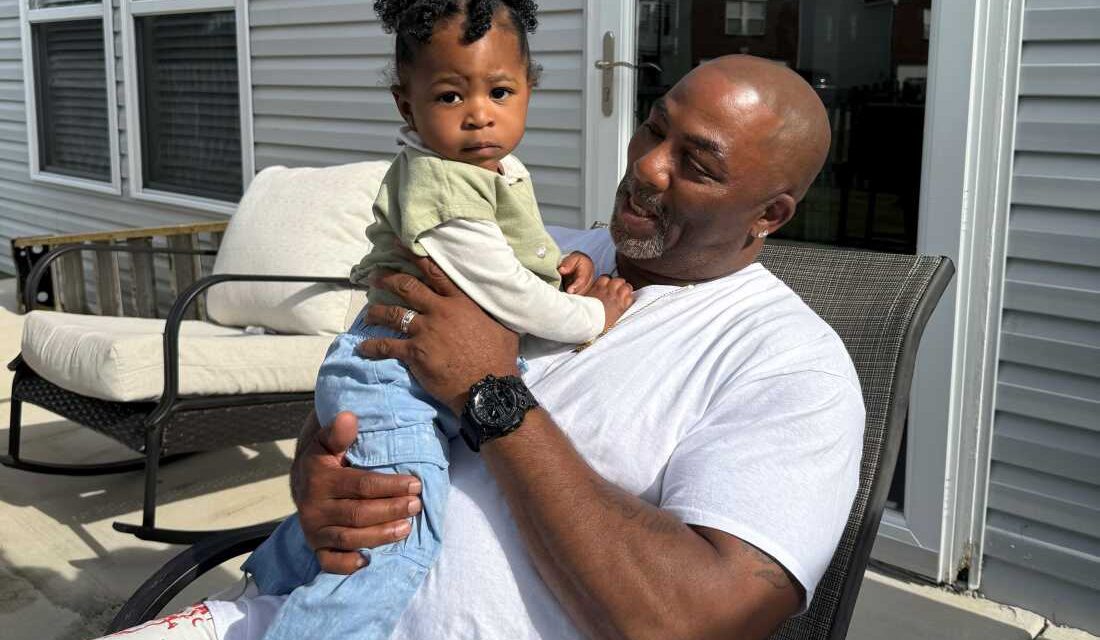
Anthony Bailey, aged 61, holds one of his grandchildren in a photo taken in May 2025. Two years ago, a judge granted Bailey release after serving 27 years in federal prison, providing a fresh start. Since his release, Bailey has embraced his new life. He works long hours as a city bus driver in Indianapolis. He spends time attending family barbecues and playing card games, establishing strong community ties. However, following a Supreme Court decision and actions by the Justice Department, Bailey may soon face re-incarceration.
Bailey hopes for a favorable outcome. “I’m hoping and praying that everything turns out and I get my life back,” he expressed in an interview. “Today, I’m a better person — a productive citizen who works hard.” His situation is part of roughly a dozen cases impacted by a Supreme Court ruling in late May that restricted the use of the compassionate release program. This program, meant for extraordinary or compelling situations, usually applies to severe illness or old age. The court ruled that inmates serving long sentences beyond today’s standard penalties are not automatically eligible.
Retired federal Judge John Gleeson criticized the ruling, stating, “These are indefensibly long sentences, and they need to be corrected.” Gleeson has initiated a pro bono effort that has supported over 100 inmates, mostly Black men, in seeking early release. Many were subjected to severe mandatory penalties for using a gun in connection with other crimes, leading to extremely long sentences.
Bailey’s case involves similar circumstances. On September 3, 1997, Bailey and two associates committed a bank robbery and carried out two carjackings. Prosecutors indicated the crimes endangered multiple people, including a young girl. Reflecting on his past, Bailey stated, “Something I totally regret — will never happen again.” While in the federal prison in Terre Haute, Indiana, he maintained a clean record. He worked as a barber, allowing him access to tools, and had only one minor infraction in court records.
Maryam Kanna, his pro bono lawyer, highlighted Bailey’s reform. She said, “He leads a stable, happy life and contributes positively to society, making any claims of danger unfounded.” Despite Congress easing harsh penalties from past decades, these changes are not retroactive. Prosecutors may seek Bailey’s return to prison, potentially keeping him incarcerated until 2050, when he’d be nearly 86 years old.
Kelsie Clayton, a representative for the U.S. attorney in Indiana, declined detailed comments, pointing to official court documents as their channel of communication. The Supreme Court’s decision implies that existing sentences do not meet the compassionate release criteria. Bailey remains optimistic yet vigilant, stating, “OK, just got to keep fighting.” His probation officer previously indicated potential early release from probation but his future remains uncertain.
Bailey seizes each moment, enjoying gatherings and games, while imparting life skills to his 4-year-old grandson. Whether teaching him lawn mowing or indulging the boy’s delight in McDonald’s french fries, Bailey cherishes these experiences.