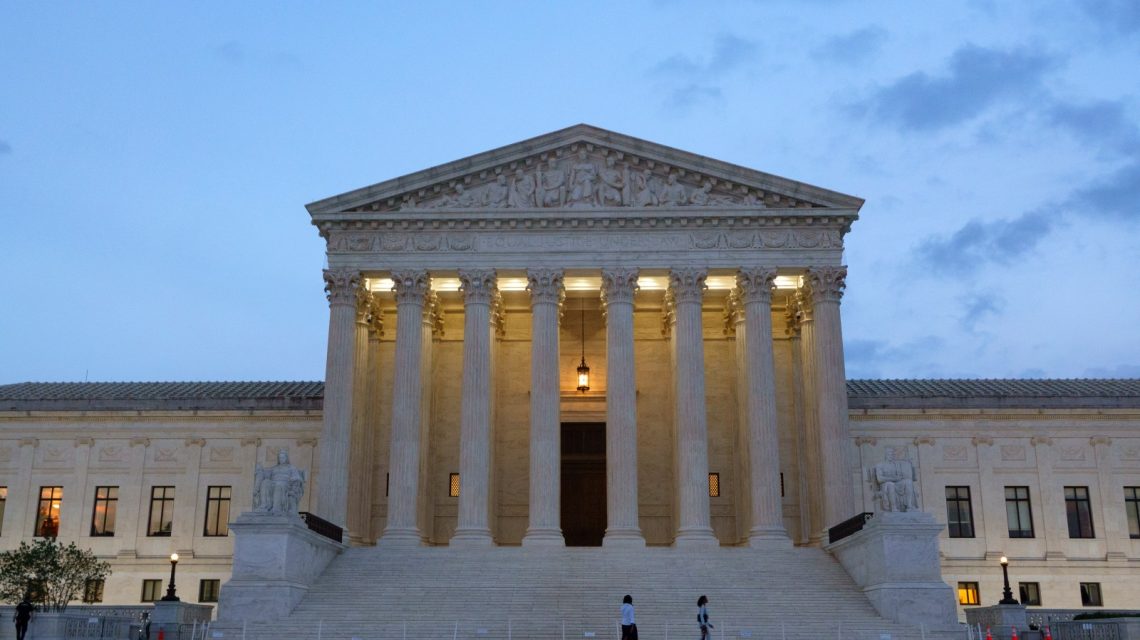
In the wake of the Supreme Court’s rejection of President Donald Trump’s attempt to end birthright citizenship through executive action, some conservative activists are pivoting towards a new strategy: influencing future judicial appointments. At a recent gathering of conservative lawyers, immigration advocates, and former Trump administration officials in Washington, attendees discussed methods to sustain the debate on birthright citizenship following the court’s ruling in June.
Supreme Court Ruling and Ongoing Debate
The Supreme Court ruled 6-3 in the case of Trump v. Barbara, affirming that the 14th Amendment grants citizenship at birth to children born in the United States, even if their parents are present in the country unlawfully or temporarily. Despite this decision, some of Trump’s allies argue that the existing interpretation of the Citizenship Clause is too broad. Justice Clarence Thomas and Justice Samuel Alito dissented, with Thomas expressing doubts about the ruling’s endurance. This dissent has been embraced by conservatives eager to continue challenging the interpretation.
The White House has responded by unveiling executive orders targeting specific categories like birth tourism, which they argue are outside traditional protections of birthright citizenship. These orders signal the administration’s ongoing commitment to the issue, although they are expected to face legal challenges.
Focus on Judicial Appointments
Conservative leaders like Mike Davis, founder of the Article III Project, stressed the importance of shaping courts to include judges more inclined to reassess birthright citizenship. During the Washington gathering, Davis highlighted the critical role of judicial appointments, using Justice Samuel Alito as an example of the type of jurist conservatives seek. Discussions included the use of legal scholarship, conferences, and legislative efforts to influence judicial perspectives.
This approach marks a strategic shift, where birthright citizenship could become a vital aspect of constitutional interpretation debates for judicial nominees. It follows a pattern seen in other issues like abortion rights and gun control, where the conservative focus on judicial appointments has had long-term effects on the judicial landscape.
Comparing to the Roe v. Wade Battle
Some activists compare the birthright citizenship issue to the fight against Roe v. Wade, viewing the recent ruling as similar in impact. The battle against Roe involved various strategies beyond litigation, including legal scholarship and public advocacy. Participants at the gathering proposed a similar approach for birthright citizenship.
Conservatives’ Perspective on Progress
Despite the Supreme Court ruling against Trump’s executive order, proponents of limiting birthright citizenship believe the case has succeeded in making the issue a mainstream political topic. John Eastman, a longtime advocate for a narrower interpretation, regards reaching the Supreme Court as a notable achievement. He sees the ongoing dialogue among lawmakers, judges, and the public as a positive step.
Future Implications
For now, the Supreme Court’s decision stands, and children born in the U.S. continue to receive birthright citizenship. Trump’s recent executive orders are poised to trigger new legal challenges. However, conservative activists hint at focusing on a long-term strategy by shaping legal scholarship and the judiciary to influence future court interpretations of birthright citizenship. If successful, the nomination process for judges might start incorporating questions about the Citizenship Clause, a topic rarely debated in past confirmation hearings.
 Trump Administration Faces Legal Scrutiny Over Use of Pocket Rescission to Cut Funding
 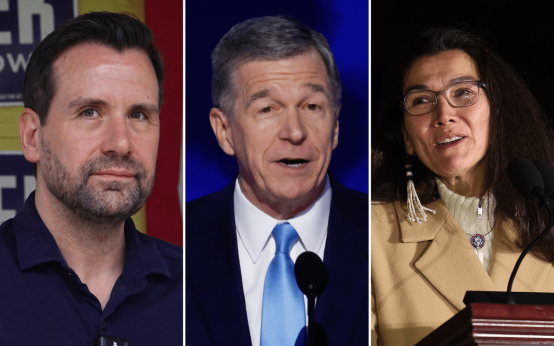 Democrats Narrow Voter Registration Gap in Key Senate Races
 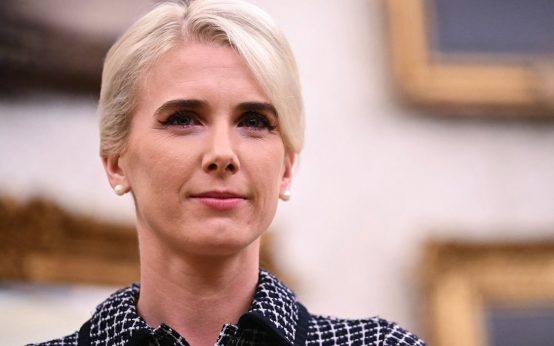 Natalie Harp’s Role and Media Portrayal
  President Trump’s Visit to the Presidents Cup in Medinah
  White House Chief of Staff Susie Wiles on Battling Cancer While Working
  Trump Criticizes Supreme Court Over Missouri Redistricting Decision