
President Trump has predicted a major economic improvement following a deal to conclude his conflict with Iran. He assured citizens of imminent gasoline price reductions, estimating a future cost of $2.50 per gallon. He claimed that the upcoming year would yield an unprecedented economic boom.
However, economists express doubts about this forecast. The past war and other inflationary pressures are expected to linger, posing challenges for American families and the Republican Party as it aims to maintain Congressional control during the midterm elections.
Despite the recent deal intended to halt the war and open the Strait of Hormuz, high energy prices and supply challenges are not expected to resolve swiftly.
The war’s conclusion will not result in an immediate recovery.
Patrick Harker, a professor at Wharton School and former president of the Federal Reserve Bank of Philadelphia, highlighted the cautious market sentiment and the gradual rebuild of damaged infrastructure. Inflation may persist at elevated levels.
Oil prices dropped last week, returning to pre-conflict levels on Friday. Average gas prices fell by 7 cents per gallon over the previous week. According to Michael Negron from the Center for American Progress, it will take time for shipping to resume through key routes and prices to decline significantly.
Negron predicts a slow decrease in energy prices, not expecting immediate reductions to $2.90 per gallon. Consequently, gas and other essential costs may remain high, posing difficulties for Republicans in upcoming elections.
As affordability grows into a central political issue, Republicans face obstacles amid their attempts to retain majorities in the U.S. House and Senate.
Americans are unconvinced by optimistic economic rhetoric.
Gina Plata-Nino from the Food Research and Action Center stated that positive messages fail to resonate with struggling households. She noted the disparity between stagnant earnings and rising costs for basic needs.
The Iran conflict has financially impacted American households, with costs ranging from $775 to $1,300 in fuel and taxes, according to Roger Pielke from the American Enterprise Institute.
The national average gas price was $3.90 on Friday. California’s average fell by 13 cents from the previous week, reaching $5.48 per gallon. Rising oil prices have affected diesel and fertilizer costs, influencing agricultural markets. Consumer prices increased by 4.1% in May compared to the previous year, marking a three-year inflation peak.
Trump maintains an optimistic stance on economic conditions but dismisses affordability concerns as a ‘fake word.’ He recently declined to sign a bipartisan housing affordability bill despite congressional approval.
Trump’s economic approval in a recent poll was at 33%, the lowest recorded for him. Gas expenses are a concern for nearly four-fifths of respondents, with half stating costs prevent summer vacations.
Only 23% of Americans believe the Iran conflict justified its expenses.
There is a feeling of being left behind.
Harker noted widespread anxiety among the populace. Brian Reisinger, a former GOP strategist, emphasized the need for substantive economic promises from the president and his party for the midterms.
Senate Majority Leader John Thune discussed meeting with President Trump regarding the Iran agreement.
Trump supporters view the Iran deal as triumphal, but the shock to gas prices is claimed to prevent Iran from securing nuclear capabilities. The conflict did not achieve the elimination of Iran’s nuclear program.
A White House spokesperson reaffirmed expectations for quick oil price drops upon resolving the Iran situation. However, the end of the conflict’s timeline remains uncertain.
The U.S.-Iran negotiations are unstable as the countries present conflicting messages. Analysts note increased traffic through the Strait, driven by Iranian oil returning to global markets. Trump agreed with Iran to lift oil sanctions, allowing trade of its prime export, diverging from long-standing U.S. policy.
The negotiations’ unpredictability is causing caution among energy firms, traders, and insurers. Negron emphasized the potential risks affecting oil pricing due to negotiation volatility.
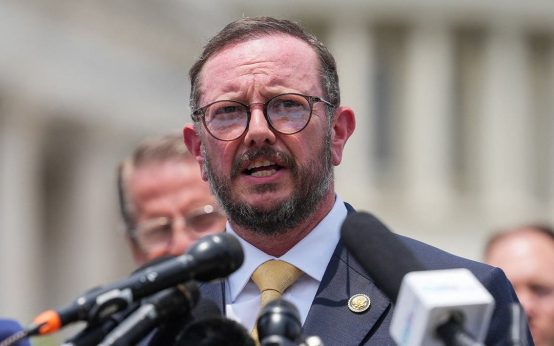 Missouri Rep. Eric Burlison Criticizes Washington’s Spending Habits
 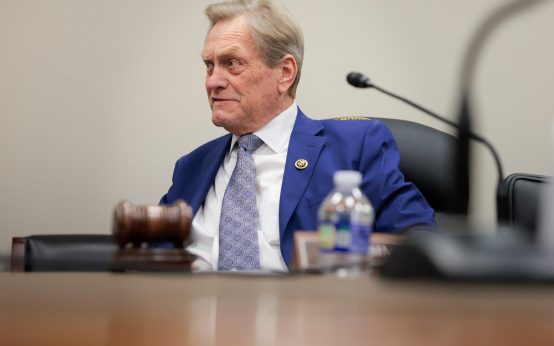 Republican Lawmaker Opposes Funding for Trump’s Arch Near Arlington
 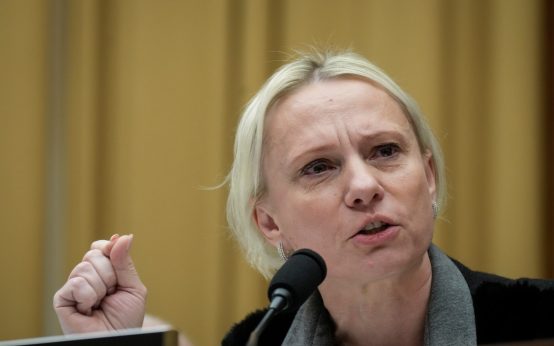 House Bill Aims to Enhance Benefits for Combat-Injured Veterans
  Debate Over Transgender Athletes Shapes Political Strategies
 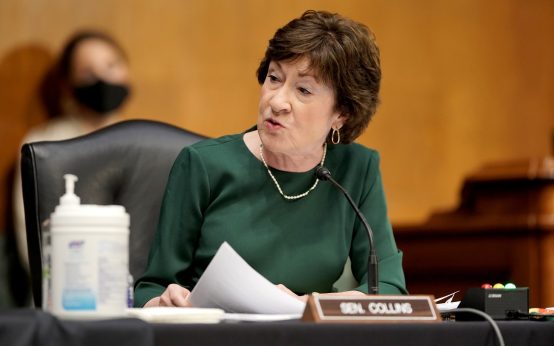 Collins Battles Trump Administration on NIH Grant Control
 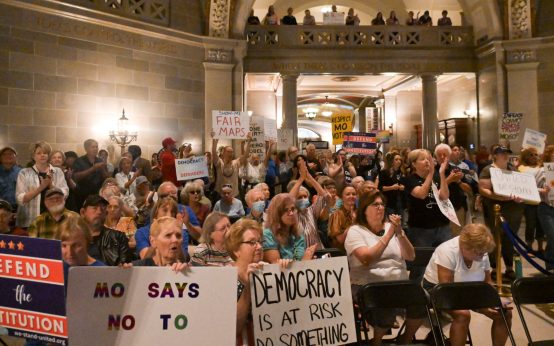 U.S. Appeals Court Supports New Missouri Congressional Map