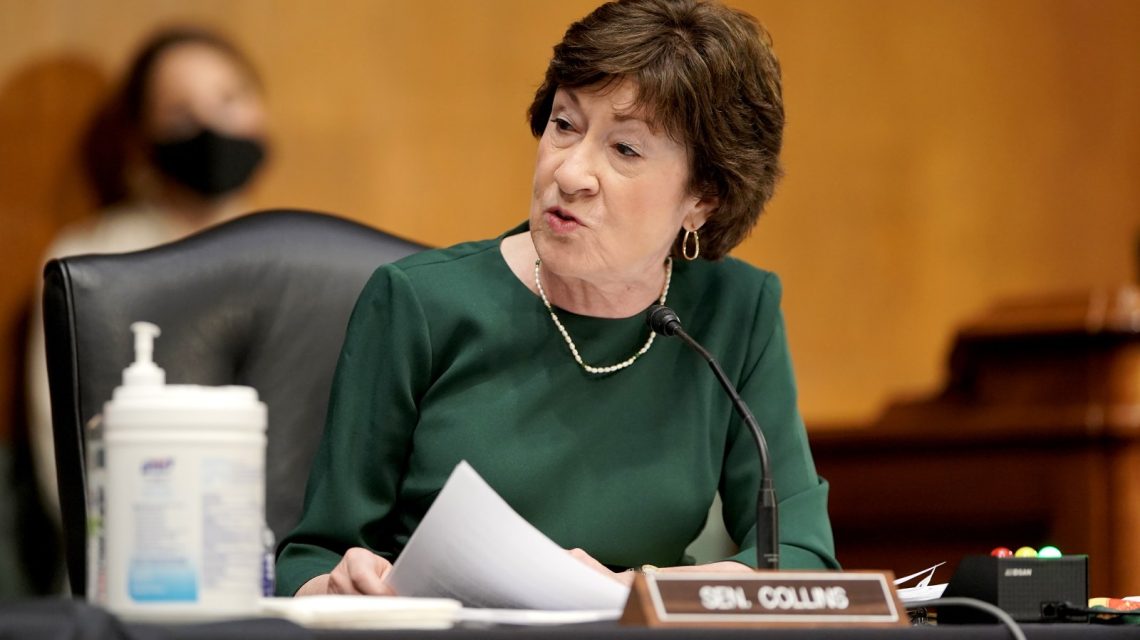
Senator Collins’ Warning to the Trump Administration
Senator Susan Collins has expressed strong opposition to the Trump administration’s effort to introduce political influence over federal health research funding. This dispute over the management of National Institutes of Health (NIH) grants has intensified during Collins’ competitive reelection campaign.
Recent polls indicate that Democrat Troy Jackson slightly leads Collins in the Senate race, with a CNN/SSRS poll showing Jackson ahead 48 percent to 45 percent. The contest is considered a toss-up by major forecasters.
Proposed Executive Order Sparks Dispute
The conflict began when The Washington Post reported President Trump might issue an executive order. This order could establish a commission to review NIH grants, granting political figures a say in distributing nearly $50 billion for biomedical research. Russell Vought, White House budget chief, criticized the NIH for supporting initiatives he deemed inconsistent with Trump’s priorities.
In response, Senator Collins used her platform to challenge the proposal. She argued against any interference by the Office of Management and Budget (OMB) in grant decisions, which she views as contrary to congressional goals. Collins emphasized the importance of keeping the grant process based on scientific merit rather than political ideology.
“Imposing a political review on awards already vetted by scientists undermines the long-standing principle that funding decisions should be based on scientific need and merit,” Collins stated.
Concerns Raised Over Further Political Involvement
This disagreement has drawn attention from congressional leaders across party lines. Collins, alongside Senate Appropriations Committee Vice Chair Patty Murray and House Appropriations Committee ranking member Rosa DeLauro, voiced concerns about increasing presidential influence over NIH grant decisions.
Collins’ opposition traces back to earlier debates. In July, she urged the OMB to reconsider a proposed rule that included political appointees in grant reviews. Collins warned that introducing political assessments could detract from scientific and biomedical research priorities, potentially impairing studies reliant on federal funding.
Specifically, Collins feared abrupt cancellations of federal awards might disrupt long-term medical studies and inconvenience patients involved in these research projects.
Reports of Oval Office Tensions
Reports emerged of a tense meeting in the Oval Office involving President Trump, Vought, and NIH Director Jay Bhattacharya. Discussions focused on whether NIH projects aligned with Trump’s agenda, with Bhattacharya defending the existing merit-based review processes.
NIH spokesman Joshua Pradko later affirmed the agency’s commitment to funding biomedical research, denying any intention to reverse approved funding decisions.
The disagreement signals ongoing friction between OMB and NIH, with Vought advocating greater political oversight. Bhattacharya counters this by emphasizing the need for congressionally mandated spending allocations.
Bipartisan Criticism of Proposed Changes
Opposition to the draft proposal spans both parties. Patty Murray contended that NIH funding decisions should remain in expert hands, warning against political interference, particularly in life-saving medical research.
Murray stressed the importance of research merit, arguing that decisions should not be driven by political goals. She urged Republicans to oppose measures that could politicize the grant decision-making process.
Ongoing Political Battle in Maine
The NIH funding debate unfolds amid a tight political race for Collins in Maine. Polling suggests a challenging environment for the incumbent as she confronts Democrat Troy Jackson. Despite polling disadvantages, Collins has historically demonstrated resilience, even overcoming unfavorable forecasts in the past.
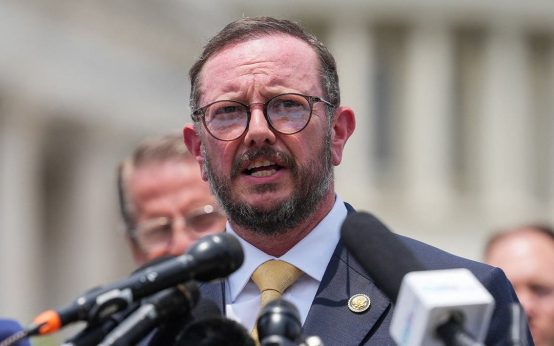 Missouri Rep. Eric Burlison Criticizes Washington’s Spending Habits
 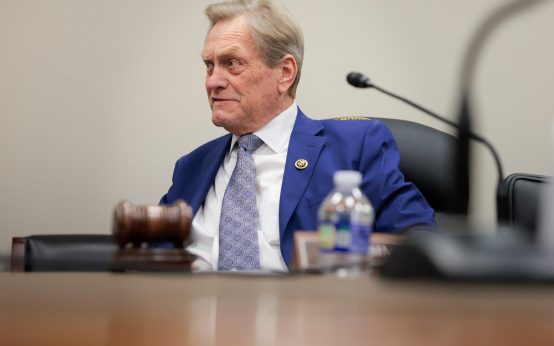 Republican Lawmaker Opposes Funding for Trump’s Arch Near Arlington
 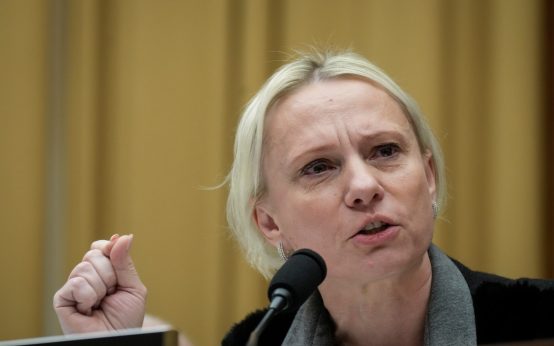 House Bill Aims to Enhance Benefits for Combat-Injured Veterans
 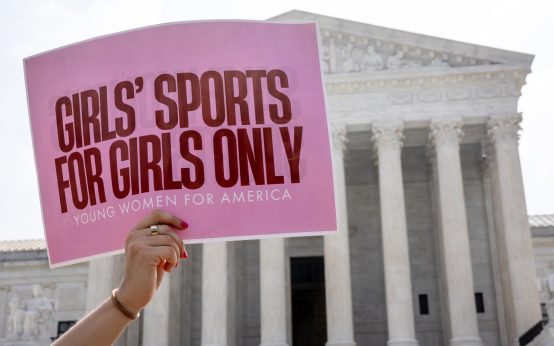 Debate Over Transgender Athletes Shapes Political Strategies
 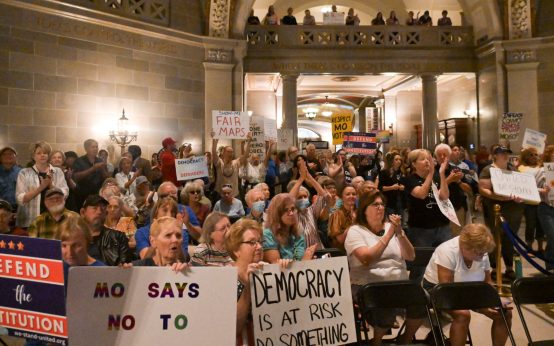 U.S. Appeals Court Supports New Missouri Congressional Map
  GOP Candidates Call to End Iran War Amid Rising Fuel Costs