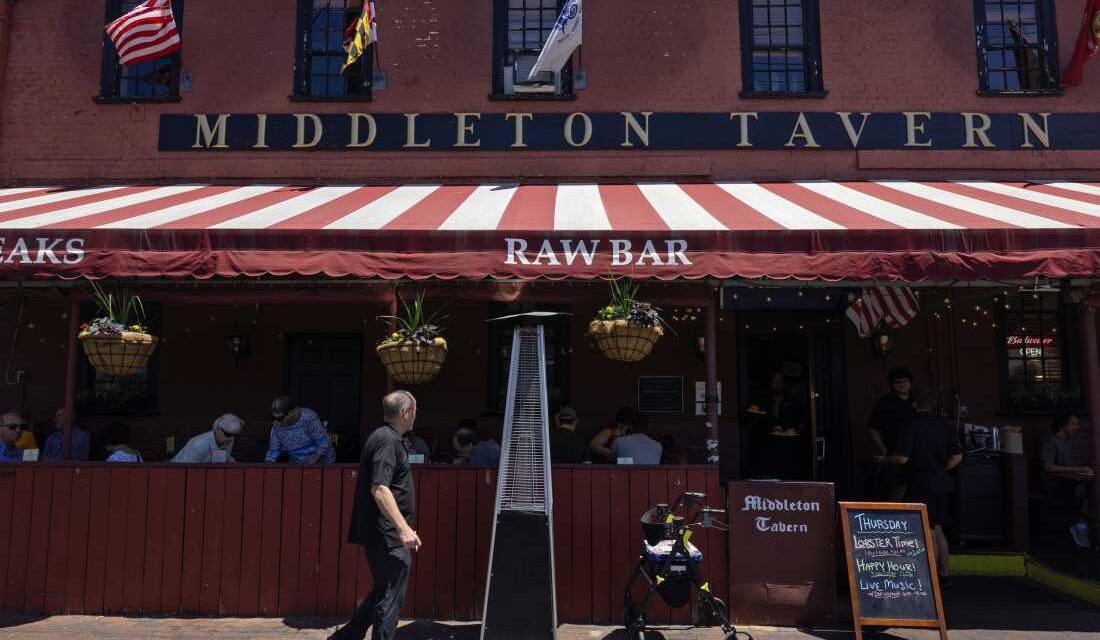
Established in 1750, Middleton Tavern in Annapolis, Maryland, is among the oldest continuously operating taverns in the United States. Arthur Gross has been the chef there for 50 years, an impressive tenure, even for a place that predates the country’s inception.
In 1776, diets in Maryland often included seafood like rockfish and crab. Today, Gross orders similar staples for the restaurant, including 100 pounds of rockfish and several pounds of crab claw meat.
Annapolis is rich in history, with reenactors in colonial attire adding to the ambiance. As America approaches its 250th anniversary, one might reflect, like Gross, on how diets influenced daily life during the colonial era.
A Historical Perspective on Wealth and Food
In 1776, signs of wealth differed vastly from today’s standards. According to Dana Connett from Historic Annapolis, food was a primary marker of social class. This applied to both the colonists and enslaved individuals.
“When we think about signs of wealth today, we think about cars and handbags or real estate. But in 1776, it was food.” – Dana Connett
Nearby, the William Paca House offers insights into the lives of Maryland’s elite. Food historians note that the gentry heavily relied on European culinary influences. For instance, William Paca’s menu might include turkey soup and various vegetables, reflecting wealth and status.
Meat choices signified social standing. Joyce White, a local food historian, explained that beef was highly sought after, while chicken was reserved for special occasions. Food for the affluent often involved small plates, contrary to today’s portion sizes.
The Influence of the Founding Fathers
The Founding Fathers, including Thomas Jefferson and George Washington, helped shape the cuisine of their era. Sarah Lohman, a food historian, noted their Francophile tendencies. Jefferson, for instance, popularized dishes like macaroni and cheese and beef à la mode.
Washington preferred understated meals to avoid displaying excessive wealth. Historical records reveal that Jefferson viewed food as a means to unite people, citing his famous New York dinner party that led to a significant political compromise.
Behind the Scenes: Enslaved Chefs
Many founding figures, including Jefferson, relied on enslaved chefs. Notably, James Hemings trained in French cuisine under Jefferson and contributed significantly to American culinary traditions. The kitchens, often sweltering, demanded arduous work from enslaved individuals.
Their contributions laid the foundation for what is now considered American cooking. African cooks introduced ingredients and styles that became integral to the nation’s cuisine.
Taverns and the Common Folk
In colonial times, taverns like Middleton’s were social and political hubs. They varied in quality and could serve anything from moldy cheese to more luxurious dishes. Liquor was preferred over water due to purification issues, leading to high alcohol consumption among colonists.
Today, American cuisine is more diverse and international, departing from its European-centric roots. At Middleton Tavern, legendary patrons like the Founding Fathers might have savored oysters, a thought that brings a smile to Gross’s face as he deals with present-day challenges in maintaining the tavern’s legacy.
 Music, Culinary Heritage, and the Legacy of Bayou Bar
  The Decline of Tamales on U.S. Menus
  Las Vegas Tourism and Economic Shifts in 2025
  Wendy’s Revives Nostalgic Yellow Packaging
  Diary of a Senior: Letting Go of Old Habits
 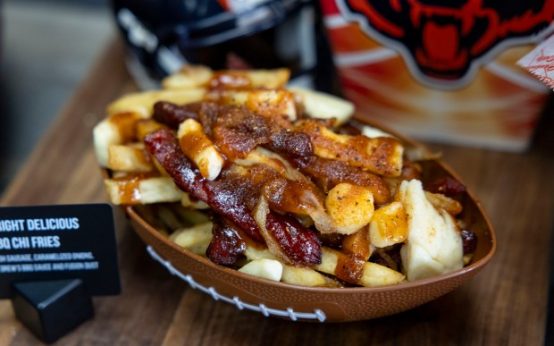 Soldier Field Introduces New Culinary Delights for Chicago Bears Fans