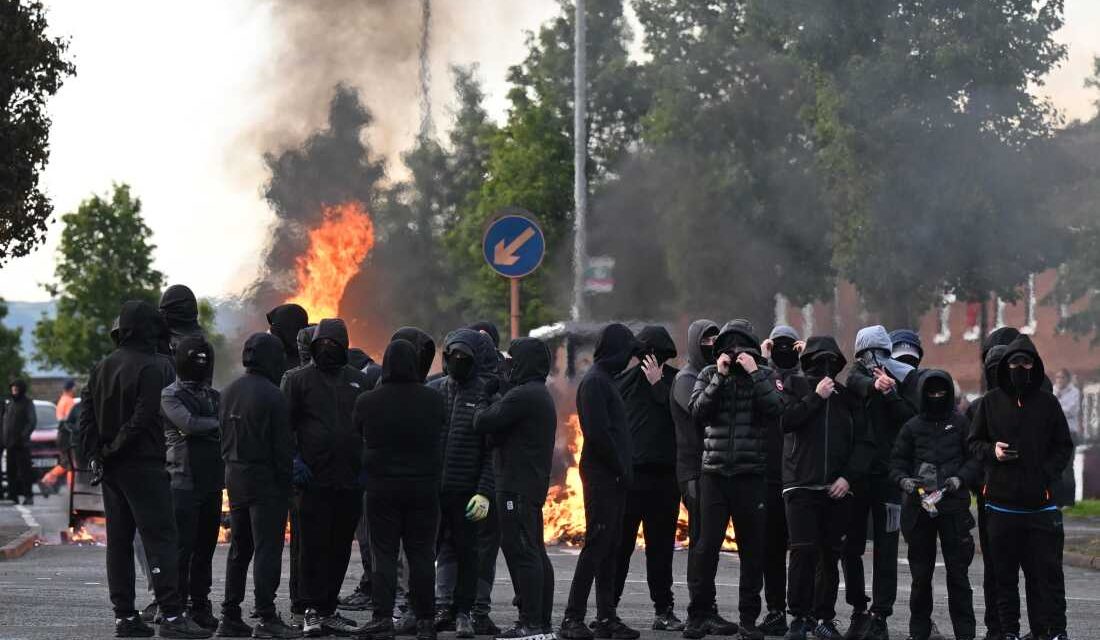
Youths were seen gathering near a burning barricade on Duncairn Gardens in Belfast, Northern Ireland, on June 9, as photographed by Charles McQuillan from Getty Images. The incident followed the violent events earlier in the month that escalated tension in the region.
The violence, which saw numerous ethnic minorities displaced, is drawing attention from experts on violent extremism in the U.S. The unrest began after the stabbing of Stephen Ogilvie, aged 44, by a 30-year-old Sudanese asylum seeker in the UK on June 8. The attack was captured on video and spread widely on social media. Ogilvie survived but sustained serious injuries, while the suspect faces charges of attempted murder.
Roots of the Violence
The stabbing triggered protests, with masked groups setting fires to vehicles and homes in ethnic minority areas. Questions arise around the quick organization of such events and the possible involvement of neo-Nazi youth groups known as “active clubs.” Michael Colborne, a Bellingcat journalist, noted that these clubs may see the actions in Belfast as a model to follow.
Active clubs, prevalent across Europe and the U.S., focus on mixed martial arts training with a motive of preparing for political violence, rather than fitness. Colborne emphasizes that these groups engage in combat sports to gear up for such unrest.
Social Media and Mobilization
Social media activity on active club accounts related to the Belfast unrest has been reported by Wired, suggesting these clubs might have played a role in orchestrating the events. However, there is skepticism due to Northern Ireland’s historical political complexities and rising anti-immigrant sentiment across the UK.
Sid Venkataramakrishnan of the Institute for Strategic Dialogue highlights the precarious situation in the UK, suggesting violence in Belfast could occur regardless of active club promotion.
Online Calls to Action
The Ulster Youth Club, a neo-fascist group on Telegram, further fuels speculation by sharing posts inciting white men to intimidate non-white individuals. They provided advice to protestors on avoiding identification, such as leaving smartphones behind and covering tattoos.
While direct ties to the unrest remain unconfirmed, elements involved highlight Northern Ireland’s long-standing sectarian tensions and the potential influence of former paramilitary members on current anti-immigrant movements.
Patterns of Violence
Recent years in Northern Ireland have seen recurrent summer unrest linked to anti-immigrant sentiment. Notable incidents include violence in Belfast following the tragic events in Southampton where three young girls were killed, and in Ballymena after alleged assaults. These incidents draw attention from far-right figures, sparking calls for action against non-whites.
Influential figures exploit these crimes by amplifying xenophobic narratives, primarily via social media, with platforms like Facebook acting as organizational tools.
Paramilitary Influence
Experts point to the possible involvement of individuals affiliated with past paramilitary groups during “The Troubles.” Groups like The Accountability Project aim to identify signs of impending violence, noting the age difference between paramilitary veterans and younger actors in recent violence.
Suspicion exists that the young perpetrators coordinate via encrypted applications, raising questions about their connections to the paramilitary networks monitored on platforms like Facebook.
As police continue their investigations into recent violence, understanding the connections between these communication methods and organized youth groups will be crucial.
 Counterpressure, Not Concessions, Crucial for Russia-Ukraine Conflict
  Ukraine’s Capital Faces Increasing Frontline Challenges
  Key Developments in U.S. Politics and International Relations
  Latest Developments in Politics and Policy
 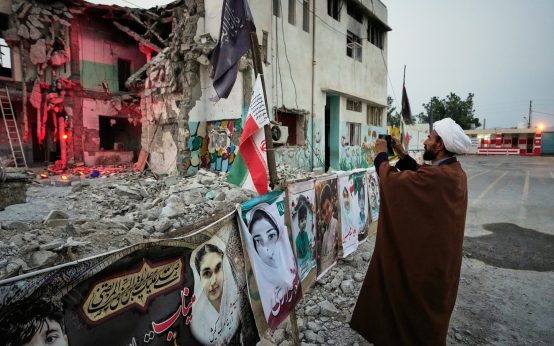 U.S. Airstrike on Iranian Girls’ School: UN Report and Global Reactions
  Cornell University Sexual Assault Investigation Reopened