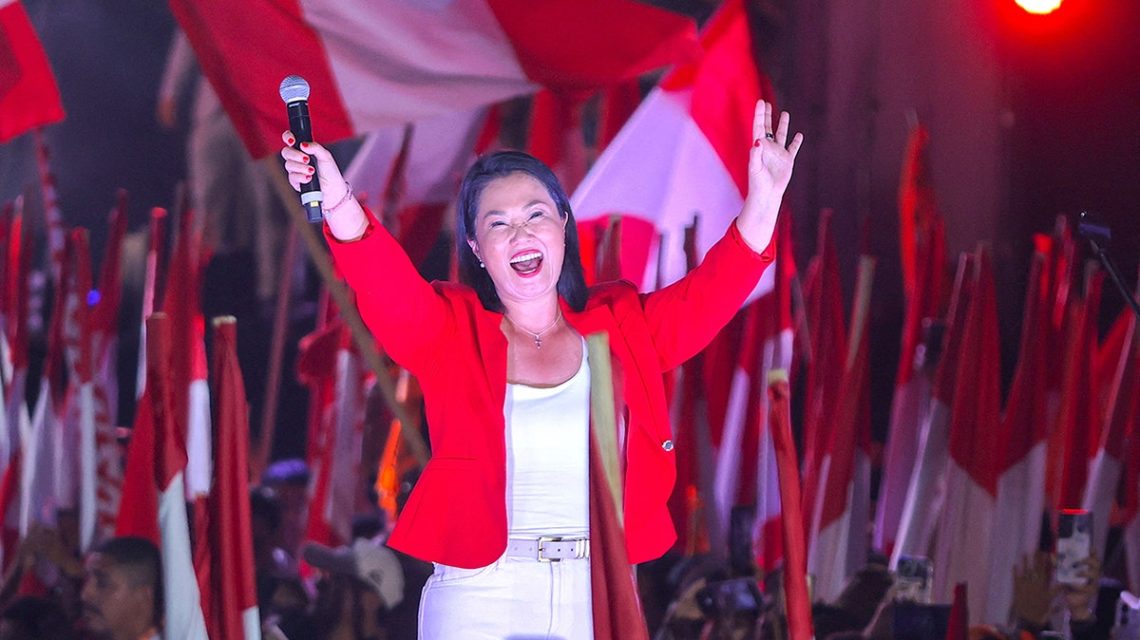
The U.S. State Department extended congratulations to Keiko Fujimori on Tuesday following her narrow victory in Peru’s presidential runoff. This development marks a shift in Peru’s political landscape as well as U.S. relations in Latin America. Washington has expressed intentions to collaborate closely with Fujimori’s government on key areas of mutual interest.
The United States congratulates President-Elect Keiko Fujimori of Peru on her important electoral victory. We look forward to working closely with the Fujimori Administration on security cooperation and strengthening bilateral trade and investment, the department stated.
Fujimori, representing the Fuerza Popular party, emerged victorious in a closely contested election. The results were announced by Peru’s National Office of Electoral Processes (ONPE), revealing that Fujimori garnered 50.1% of the vote. This win was by a margin of fewer than 50,000 votes from approximately 18 million ballots.
The election solidifies Fujimori’s position as Peru’s first female president-elect and ends an election campaign marked by division. Her victory also signals a potential shift towards stronger U.S.-Peru relations amidst rising Chinese influence, notably with China’s recent completion of the Chancay deepwater port—a significant investment on the Peruvian coast.
Keiko Fujimori’s focus on organized crime resonates with U.S. interests in enhancing regional security and curbing trafficking. Meanwhile, as reported by Reuters, the National Jury of Elections has yet to release its official proclamation on the election results.
Hailing from a political family, Fujimori’s election marks another chapter for the Fujimori political legacy. Her administration follows her father’s, Alberto Fujimori, under whom Peru underwent significant yet controversial changes during the 1990s. While he received initial U.S. support, his administration later faced criticism for undermining democratic institutions and human rights violations.
Keiko Fujimori’s presidency comes at a pivotal time, with campaign promises centered on tackling crime with a strong approach and maintaining Peru’s market-friendly economic policies. Her appeal was bolstered by public concern over crime rates and prolonged political instability, providing her the support needed to defeat her leftist rival, Roberto Sánchez, who emphasized rural economic issues.
 Alan Ritchson Faces Backlash Over Political Remarks
 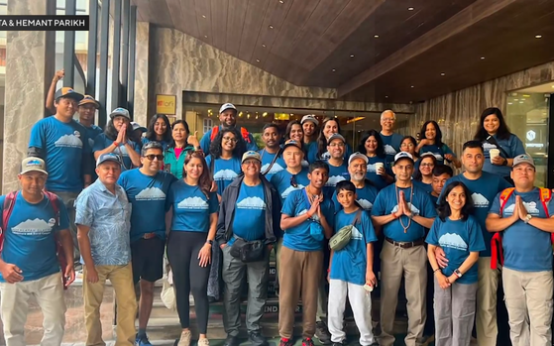 Himalayan Pilgrimage: A Couple’s Narrow Escape and Lingering Questions
  Former CEO Sentenced for Bank Fraud and Sanctions Evasion
  Russia’s Potential Incursion Into Estonia: NATO’s Resilience Under Scrutiny
  Senators Urge Action to Free Imprisoned Journalist in Iran
 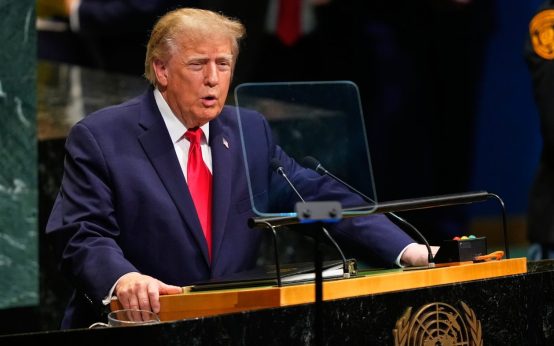 Trump’s Address at UNGA and Key Political Developments