In 1913, Antonino Alati left southern Italy seeking a better life in a land where Italians were often seen in a negative light. Joining millions of countrymen in the United States, he faced stereotypes of Italians as poor, unclean, violent Catholics who resisted assimilation. Politicians had begun efforts to limit their immigration. A congressional report from two years prior to Alati’s arrival claimed southern Italians exemplified a less intelligent group of new immigrants. Allegations existed that they came merely to exploit American opportunities before returning home.
Despite such discrimination, Alati did not yield. He soon brought over his wife and children, including an infant named Salvatore. The family name transitioned from Alati to Alito, and Salvatore became Samuel. A generation later, Samuel A. Alito Jr. became the second Italian American justice on the U.S. Supreme Court, following Antonin Scalia.
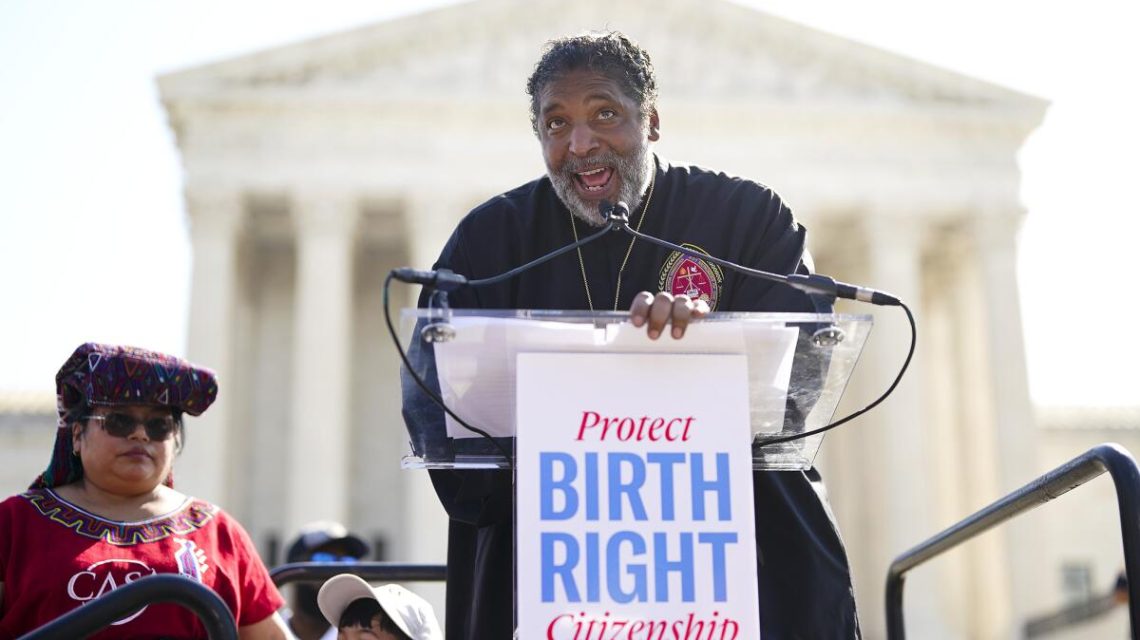
During his 2005 confirmation hearings, Justice Alito acknowledged his father’s hardships and resilience in America. By then, Italian Americans were integral to various facets of American society, including music, politics, and cuisine. Such stories represent quintessential American experiences, which makes Alito’s dissent in the Supreme Court’s 6-3 decision against ending birthright citizenship surprising.
The tendency for immigrants and their descendants to forget past prejudices and how they defied them can lead to a lack of empathy. Justice Alito’s objections to birthright citizenship reflect more than forgotten heritage. His opinion described undocumented migrants with terms like “overran” and “exploded,” echoing past anti-Italian sentiments. His words questioned the loyalty of U.S.-born children of immigrants, reminiscent of tests Italian Americans faced regarding their faith.
Alito’s concerns about fraud echo accusations against Italians seeking U.S. citizenship. His arguments diverged from other Catholic justices, such as John Roberts, Amy Coney Barrett, and Brett Kavanaugh. While Roberts and Barrett supported opposing views, Kavanaugh concurred with the majority decision.
Understanding how immigrant families forget their struggles highlights a broader concern. Like Alito, some of my relatives, whose backgrounds involve overcoming adversity, now support restrictions on new immigrants. Yet Alito surprisingly acknowledges the moral right of the U.S.-born to remain in their birthplace while criticizing birth tourism as a misuse of American generosity.
Alito fails to separate valid criticism of birth tourism from the broader issue of birthright citizenship. The attempt to limit it by executive order was founded in bias, not legality. Although Alito’s side lost the case, Trump’s approach to defining American identity until then was disheartening. Alito concluded that upholding the 14th Amendment was a mistake, reflecting concerns about new immigrants.
History disproves such fears. Both Alito’s family and mine succeeded against the odds. In America, descendants of once-marginalized groups can, intriguingly, join those critical of new immigrants. Alito’s stance may eventually be seen as forsaking his family’s legacy to align with those who opposed them. History will likely regard his position as a missed opportunity to honor his family’s promise fulfilled by supporting those who faced similar trials.
 New U.S. Military Bases Planned in Greenland Amid Strategic Security Deal
 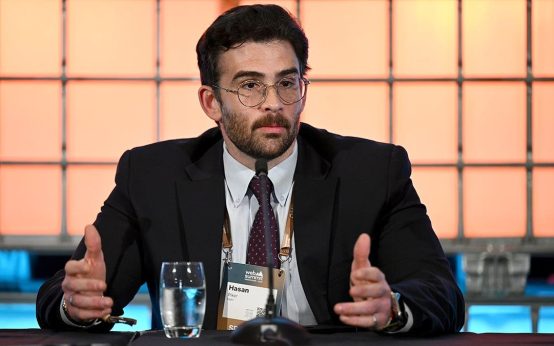 Twitch Streamer Hasan Piker Discusses Controversial Commentary
  A Shifting Political Landscape: The Decline of Autocratic Power
  Trump Delivers Warning to Iran, Cuba at UN General Assembly
  Lukashenko and Putin’s Unique Relationship and Belarus’ Strategic Role
  Alan Ritchson Faces Backlash Over Political Remarks