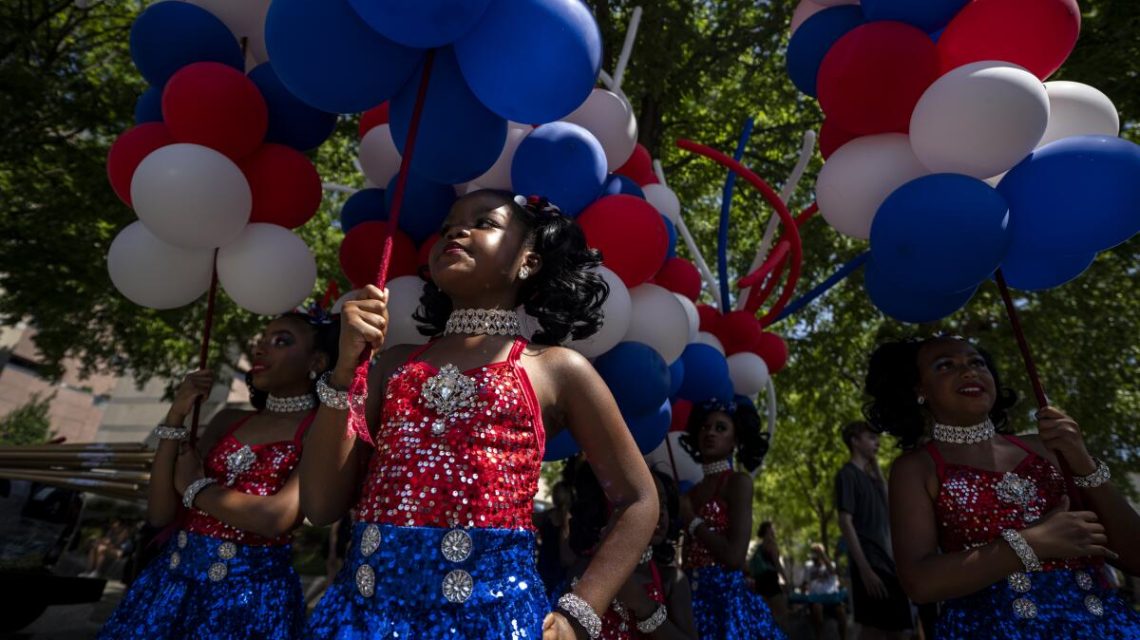
Celebrations for America’s 250th anniversary faced setbacks due to changes in federal funding. Communities planned various festivities, including town square readings of the Declaration of Independence, parades, and themed baking contests. However, the Trump administration redirected $100 million in federal funding away from humanities nonprofits, affecting local planning nationwide.
The funds were channeled to Event Strategies, responsible for organizing events in Washington, centered around President Trump. Historians observe that this centralization has shifted the milestone’s focus to the presidency rather than the revolution’s ideals.
Trump’s portrayal is prominent, as efforts are made to imprint his image on passports, currency, and national symbols. Despite this, historians, educators, and cultural entities maintain discussions on American history, albeit with limited resources.
“The influence of political figures on historical memory is significant,” noted David Ekbladh, a history professor at Tufts University. He emphasized the power in shaping collective historical narratives, citing Orwell’s notion about controlling the past and future.
Efforts to influence the anniversary have affected how institutions approach the event, with reduced focus on comprehensive narratives. Trump’s focus has been on self-promotion instead of offering expansive historical views.
The White House has launched the Freedom 250 project to promote anniversary celebrations, working with conservative groups to present America’s founding through specific ideological lenses.
Comparatively, America’s semiquincentennial hasn’t equaled the excitement of the 1976 bicentennial, which garnered extensive media coverage. Andrew Rudalevige from Bowdoin College attributes diminished enthusiasm to fragmented media and questions the emphasis on presidential celebration.
“It’s about ensuring no administration monopolizes patriotism,” Rudalevige remarked, pointing to concerns over the centralizing focus of the Freedom 250 project.
Trump’s involvement includes limited national travel, except for a North Dakota visit to present a newly outfitted Air Force One, set to fly over national festivities. The day concludes with what’s claimed to be the largest fireworks display, amidst a forecasted heat wave.
Debates continue between historians and government authorities over narrative control. Peter Kastor from Washington University highlights the role of museum professionals and educators in presenting history amid varying public expectations.
These professionals confront challenges in narrating historical stories, facing pressures from contrasting public views.
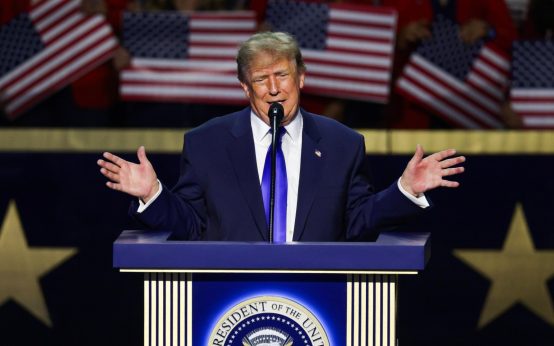 Republican Senator Criticizes Trump’s $5,000 Check Proposal
 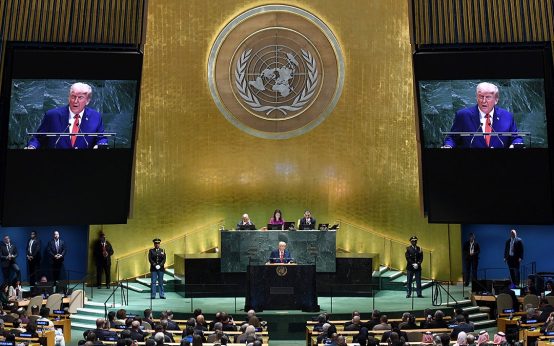 Trump’s Approach to Iran at the United Nations
 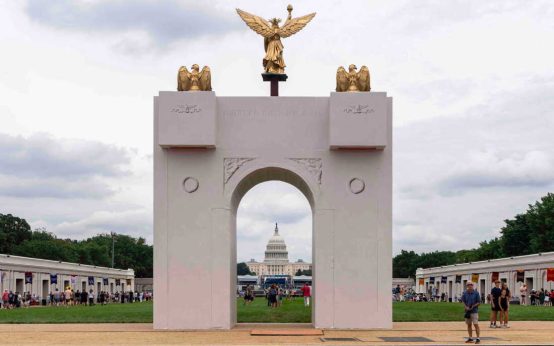 Trump’s Triumphal Arch Controversy
  Concerns Over Abdul El-Sayed’s Potential Senate Role and National Security
  Kentucky Governor Andy Beshear Discusses Tariffs, Faith, and Political Ambitions
  Sunday Highlights: Lane Kiffin, Nancy Mace, and College Football Drama