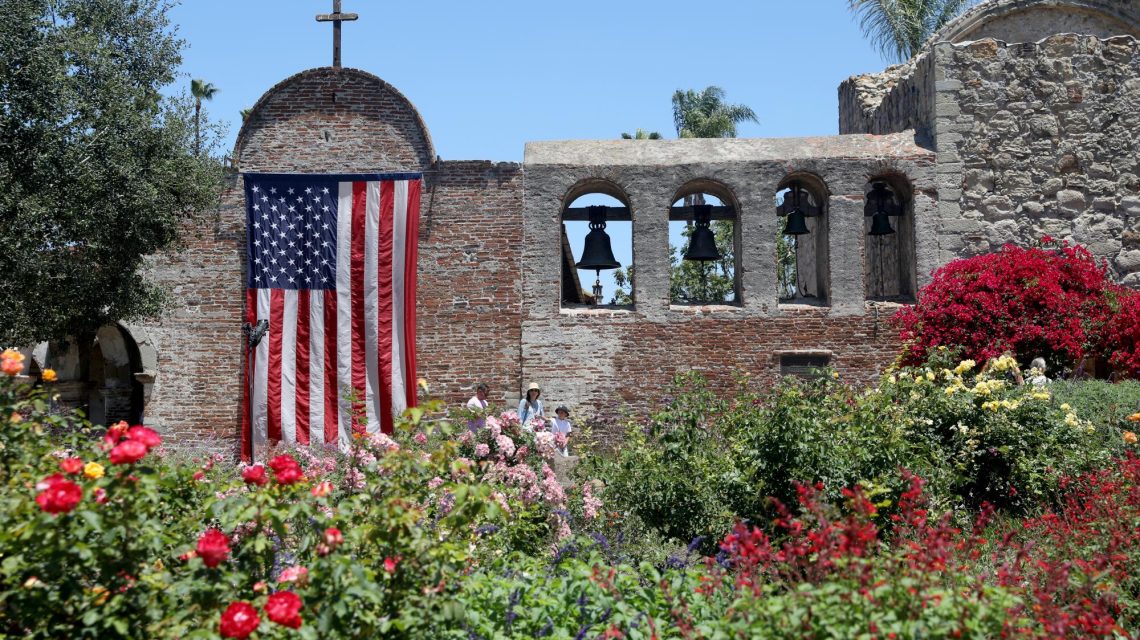
Last month, under cloudy skies, I took a trip to San Juan Capistrano. This city of around 35,000 people is known for preserving its Old California charm despite modern encroachment. Its historic mission, one of the 21 established by the Catholic Church during Spanish rule in the 18th and 19th centuries, serves as both a physical and spiritual hub.
San Juan Capistrano has remained a stronghold for President Trump in an increasingly diverse Orange County. This was evident in the downtown area, adorned with Trump decals and banners celebrating the mission’s 250th anniversary. The city mirrors some of Orange County’s past sentiments, characterized by a conservative outlook and limited inclusion of immigrant voices.
My first visit to the local mission was during my fourth-grade year. At the time, education painted a simplified picture of Spanish conquistadors and priests civilizing the region. Other narratives, like the spread of diseases by Europeans, the forced assimilation of indigenous tribes, or the dwindling numbers of swallows, were absent from our lessons.
This selective recounting of history aligns with schemes that present only victorious narratives. However, controlling history allows those in power to shape the future. This distortion suggests that acknowledging struggles and resistance detracts from patriotism.
An American flag hangs on the Bell Wall at Mission San Juan Capistrano. The mission and the U.S. both celebrate their 250th birthdays. (Photo credit: Gary Coronado)
The mission visit started with a recorded welcome, but a shift in the narrative became apparent. Exhibitions now offer a more nuanced story, acknowledging the environmental damage from past cattle farming and the conversion of Indigenous people.
While not completely overhauling the historical narrative, the mission now touches on its complex past. Father Junípero Serra, the founder of California’s mission system, is still honored, but the exhibits don’t shy away from the mission’s mistakes over its centuries of operation.
Reflecting on the journey of my family in Orange County, generations faced discrimination yet strived for a promising future. This ongoing change requires balancing past and present by learning from history and steering society towards inclusivity.
As the tour ended at the remnants of the Great Stone Church, the fragility of societal structures became evident. The foundation may falter, but perseverance and lessons from history can maintain vitality.
Beyond the mission, the aroma of smoked meats drew me to Heritage Barbecue, run by Danny Castillo. Opened in 2020 amid skepticism about a Mexican American offering Texas-style barbecue in Southern California, the restaurant has thrived.
Chef Danny Castillo, proud of his diverse background, supports community growth. (Photo credit: Jason Armond)
Castillo’s experience showcases the unifying nature of shared experiences and efforts, where people from all walks of life come together. His journey underscores the American ethos of collective progress despite challenges.
Reflecting on these themes, Castillo emphasizes the importance of continuing to strive and evolve as a society, and the lessons from the past pave the way for future achievements.
 Artistic Chronicle of Communities’ Recovery Post-Hurricane Helene
 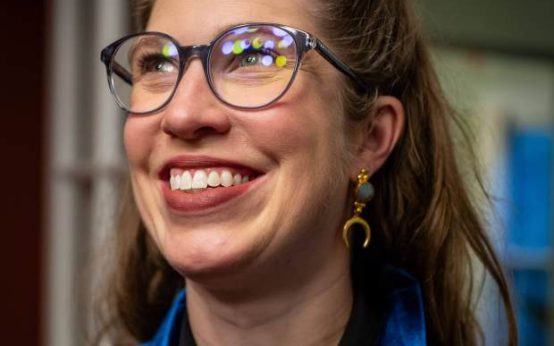 Chicago History Museum’s Latin American Exhibit Sparked by Student Protests
 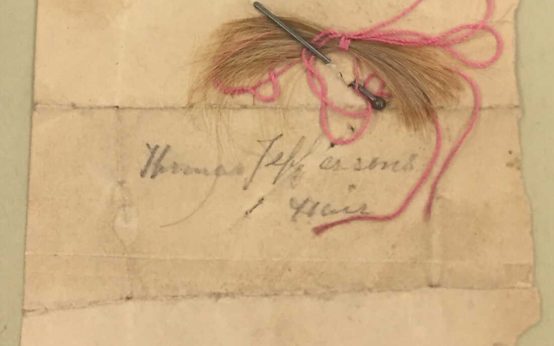 DNA Links Jefferson to Hemings Descendants
  Ari Emanuel’s Memoir: A Business-Centric Narrative
 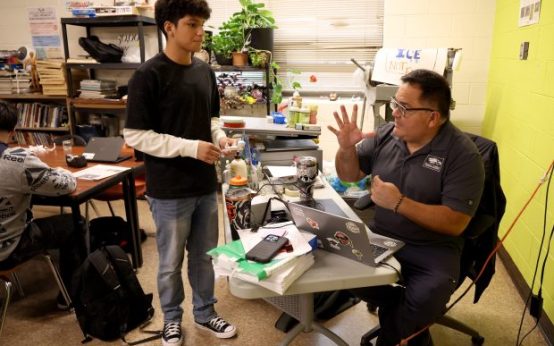 Celebrating Day of the Dead: Students Craft Calaveras in Pilsen
  Controversial Revelations from Charles Spencer’s New Book on Princess Diana