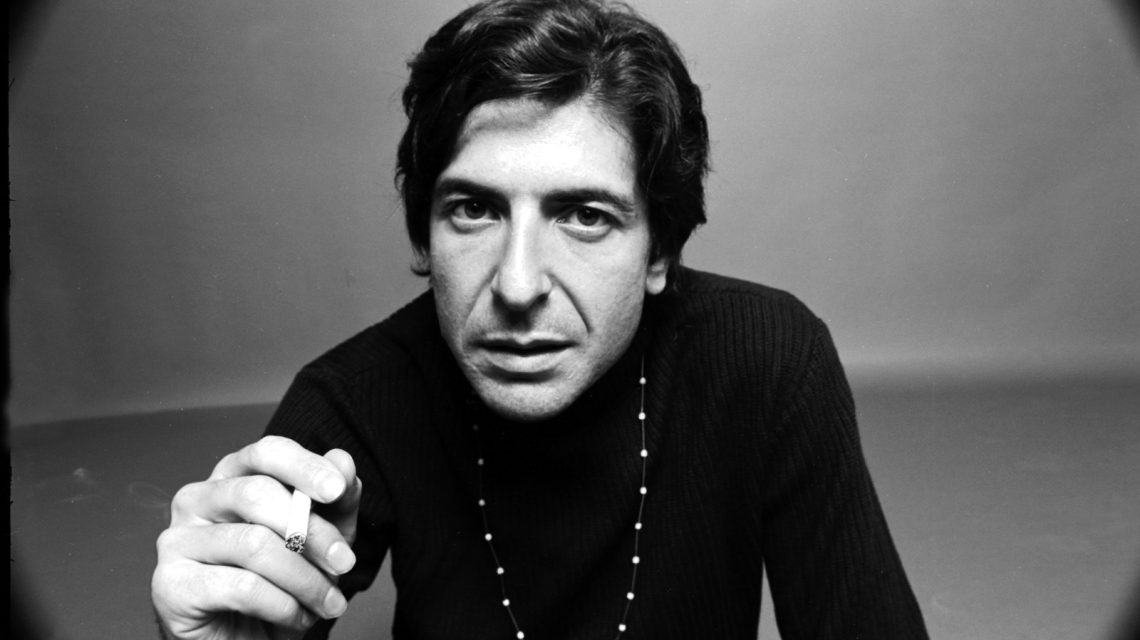
Like father, like son. At Meridian Hall in Toronto, Adam Cohen will take the stage to perform songs by Leonard Cohen. He modestly states, “I happen to have inherited his body type and his voice.” This show, “Everybody Knows,” marks ten years since Leonard’s passing. The troubadour died in his sleep in Los Angeles on November 7, 2016, at the age of 82. The news followed closely after the election of Donald Trump, casting a unique shadow over the week’s events.
Leonard Cohen’s final album, You Want It Darker, was released just weeks before his death. In his last interviews, he spoke of mortality with a mix of resignation and humor, highlighting his complex relationship with life and art. His work frequently resisted being pinned down to simple categories, leaving a legacy of profound, multifaceted songs.
The catastrophe has already happened,
Cohen once remarked, acknowledging the chaotic nature of modern life. His songs address themes of societal upheaval, resonating deeply in the years following his death, especially during the Trump administration. Cohen’s understanding of global and personal disasters continues to echo in today’s world.
The 1992 album The Future offered a prescient look at societal challenges. Inspired by the L.A. riots, Cohen’s lyrics portray a world slipping into moral relativism. The song’s themes of chaos, historical longing, and a world overwhelmed seem eerily relevant today, with the internet and social media exacerbating feelings of disorder.
Cohen expressed views on democracy and societal shifts, reflected in his song “Democracy,” written during the Berlin Wall’s fall. His apprehension about the absence of superpower stability held implications for the United States. The events surrounding Trump’s presidency and the Capitol breach highlight Cohen’s warnings about extremism and unbridled certainty.
“First We Take Manhattan” from I’m Your Man speaks to the allure of extremism. Cohen discussed the fascination with radicalism and the importance of channeling these energies constructively. Coincidences between his lyrics and real-world events, such as military actions and political rhetoric, underline the cautionary nature of his work.
“Everybody Knows,” addressing themes of deceit and plague, gained renewed relevance during the COVID-19 pandemic. Cohen’s insights into societal alienation and inequality continue to find parallels in modern political and public health landscapes.
Cohen’s lack of straightforward political endorsements contrasts with the active involvement of musicians in contemporary politics. Artists like Taylor Swift and Bruce Springsteen openly support candidates, manipulating popular culture as part of political narratives.
The contested use of Cohen’s “Hallelujah” at political events illustrates ongoing disputes over art’s role in politics. Cohen’s estate resisted the use of his music in contexts they deemed inappropriate, reinforcing the artist’s intricate relationship with political expression.
Despite the darkness in Cohen’s work, songs like “Anthem” suggest resilience and responsibility. The line about a crack letting light in offers hope amid despair. Cohen’s reflections on life and art emphasize the coexistence of doubt and optimism, an enduring theme in a complex world.
Ten years after Leonard Cohen’s death, his songs maintain their power. Their relevance stems not from predicting the future but from challenging listeners to embrace uncertainty. In an era of extremes, Cohen’s legacy invites reflection on the complexities of life, politics, and human experience.
 Mark Jones’ Online Commentary and Controversial Persona
 A Comprehensive Look at Michael J. Fox’s Life and Legacy
 Luke Bryan Embraces Fun-Loving Persona Through Music
 Anne Carson Wins 2026 Nobel Prize in Literature
 Tony Butala, Co-Founder of The Lettermen, Passes Away at 87
 ‘The Big Money Show’ Debates Economic Messaging and Reddit’s Luxury Discussions