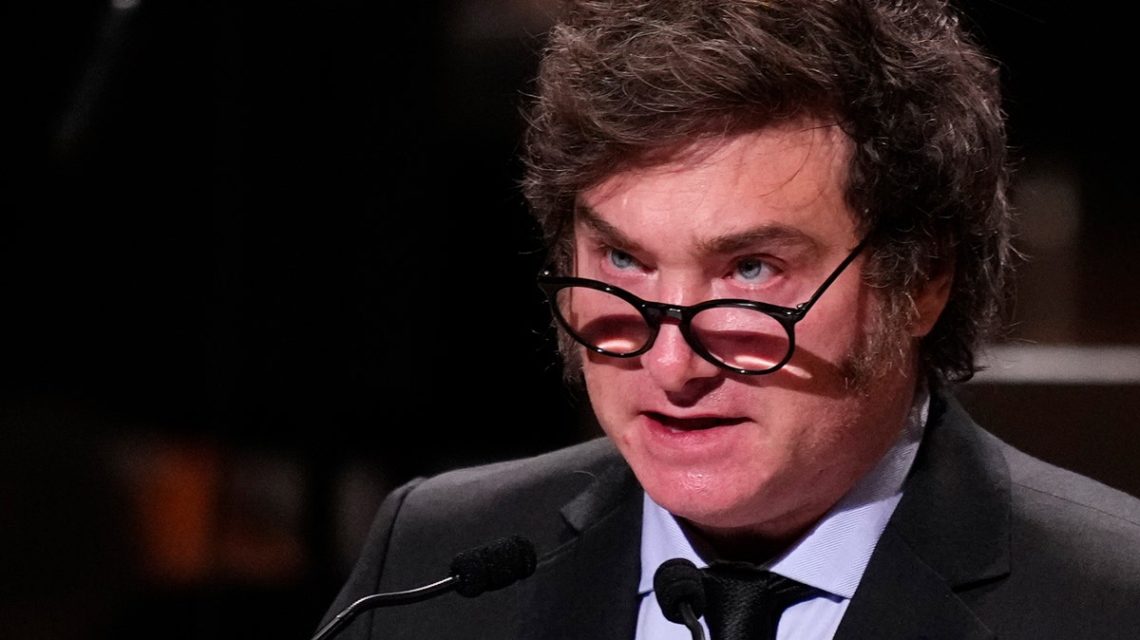
Donald Trump extended congratulations to Abelardo De La Espriella, a Colombian presidential candidate known as ‘El Tigre,’ following a preliminary ballot count. While the results are unofficial, his slight lead suggests a possible shift towards right-wing politics in Colombia.
This is part of a broader trend in Latin America that has moved towards right-wing governance. Countries such as Argentina, Chile, Paraguay, and Colombia now align more closely with U.S. strategic interests, marking a significant political change.
The shift reflects a growing demand for security and order in the region, fueled by declining patience with left-wing governments and the influence of Washington’s pressure on hostile regimes. The fall of Venezuela’s old Chavista order serves as a cautionary tale, highlighting the consequences when leftist governments lose credibility.
The Trump administration has demonstrated willingness to exert force, destabilize uncooperative regimes, and use sanctions and military power. This approach reshaped the political landscape in Latin America, influencing leaders, businesses, and voters.
“Voters may tolerate weak growth for some time,” explained an analyst, “but they don’t easily forgive a state that fails to ensure their security.”
El Salvador President Nayib Bukele’s hardline politics exemplify the new approach, focusing on punishment and security rather than traditional conservative principles. In Colombia, De La Espriella’s rise follows legislative gridlock and corruption, while Peru’s Keiko Fujimori capitalized on political instability. Both candidates gained advantage amidst exhausted electorates.
Trump’s policies added geopolitical support to this shift. The U.S. views Latin America as a crucial security zone, aligning with nations that seek order and protection. This alignment signals seriousness and access to U.S. support, impacting investors and security forces.
However, a hemisphere led by pro-American strongmen differs from one with stable democratic partners. The challenge lies in establishing strong institutions without leaving behind leaders who overpower their systems.
As Latin America’s right-wing leaders respond to demands for order, they face the critical task of governing effectively.
 Venezuelan Leadership at the United Nations
  Ontario Synagogue Shooting During Yom Kippur Leaves One Officer and Shooter Injured
 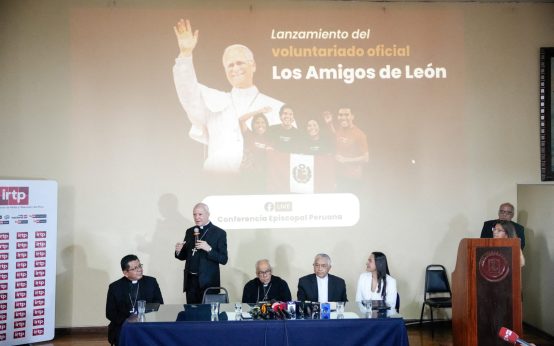 Pope Leo XIV’s Upcoming Visit to Latin America: An Overview
 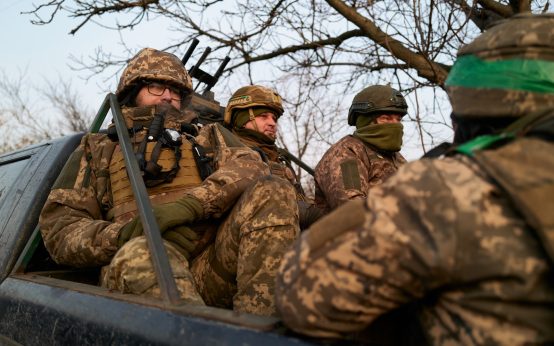 Ukraine Deploys Ground Robots in ‘Operation Vivaldi’
  Understanding AI’s Impact Compared to Historical Threats
  State Department Alerts on Middle East Travel Amid Rising Tensions