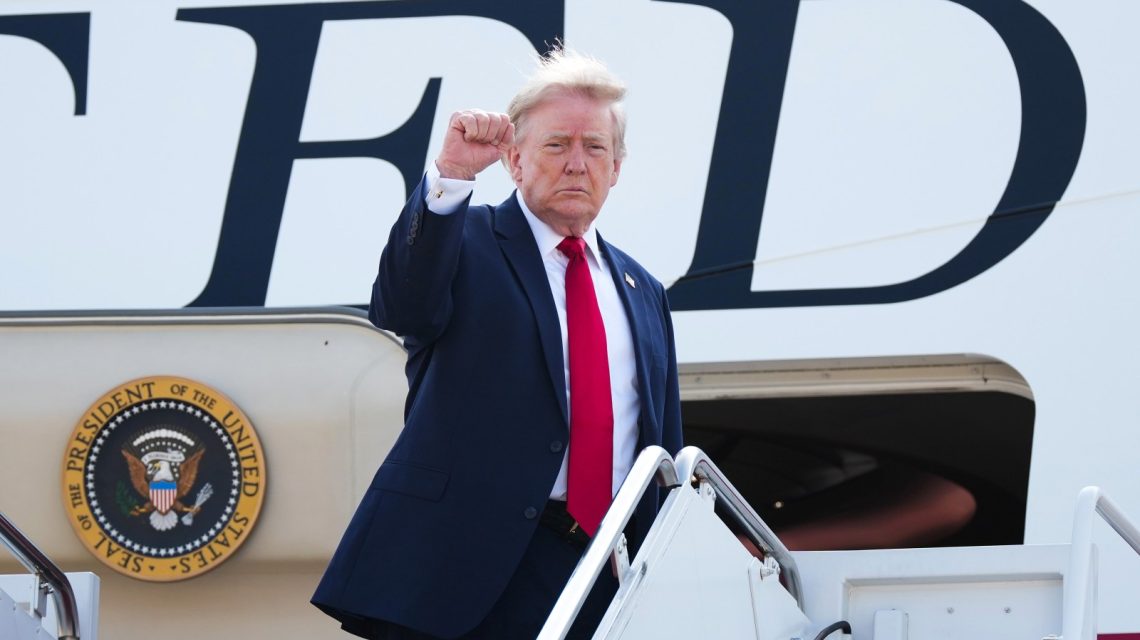
Starting July 4, millions of American families can access a new government-backed investment program for children. Coinciding with the Fourth of July, the Trump administration initiates ‘Trump Accounts’ with a one-time $1,000 federal contribution for eligible participants. Created under President Donald Trump’s tax-and-spending package, these accounts aim to give children financial leverage by investing in stock market index funds to grow over time.
Treasury Secretary Scott Bessent stated, ‘The Trump Administration is expanding opportunities for American families. The Trump Accounts app offers a straightforward way for households to engage in building long-term financial strength from the start.’ Providing easy access ensures youth involvement in economic participation.
Significance of Trump Accounts
Trump Accounts represent the administration’s effort to offer a universal, investment-based benefit for children. The program aims to reduce the wealth gap by involving every eligible child in financial markets from an early age. Critics, however, argue the program favors families with means to add contributions, suggesting resources could be better spent on existing social programs.
Eligibility Criteria for $1,000 Contribution
Not all children qualify for the federal allocation. Guidelines specify:
- Born between January 1, 2025, and December 31, 2028.
- Must be U.S. citizens.
- Possess a valid Social Security number.
- Trump Accounts opened for them by a parent, guardian, or authorized adult.
Exclusions include children born before 2025, although they can still have Trump Accounts. Participation hinges on citizenship and having a work-authorized Social Security number.
Understanding Trump Accounts
Sometimes referred to as ‘530A accounts,’ Trump Accounts operate akin to retirement accounts, investing in U.S. stock market funds. Funds remain largely inaccessible during childhood but grow with the stock market. Investments must be in approved mutual funds or ETFs tracking the S&P 500 or related indexes, mainly involving American companies.
“These accounts function like a traditional IRA. The money grows tax-deferred, and withdrawals are generally taxed as ordinary income,” stated Kevin Thompson, CEO of 9i Capital Group.
Private contributors can add to the accounts, with annual limits. Current guidelines permit up to $5,000 yearly from private sources.
Ideal Usage of Trump Accounts
Officials emphasize the accounts as long-term investments for children’s wealth creation. Financial experts suggest Trump Accounts suit retirement-style investing rather than short-term educational goals, prompting families to benefit from decades of market growth.
“The best use might be education, but withdrawals are still taxed as ordinary income,” said Thompson.
While $1,000 alone won’t foster substantial wealth, additional contributions and compound returns hold long-term value. Some experts express skepticism, noting those able to consistently fund the accounts are likely to see greater benefits.
Adding Contributions to Trump Accounts
Under current guidelines, contributions can be made annually by parents, grandparents, and relatives, subject to limits. Employers sometimes offer contribution matches. ‘Parents must realize Trump Accounts aren’t quick cash, but long-term investments,’ asserted Alex Beene, financial literacy instructor at the University of Tennessee at Martin.
The potential is there if families invest early, though wealthier families may find greater benefit through yearly contributions.
Projected Growth of the $1,000 Initiation
Early investments can multiply substantially over time. Market performance and continued contributions will impact ultimate value, but a $1,000 investment could grow significantly through compound returns.
“The $1,000 seed is pivotal. Maxing contributions leads to growth. A consistent $5,000 yearly input amasses $91,000 over 18 years,” mentioned Michael Ryan, finance expert.
From July 4, eligible children start receiving federal deposits, with contributions from relatives, employers, and other entities becoming possible once the program launches. Ryan suggested inquiring about employer matches to Trump Account contributions.