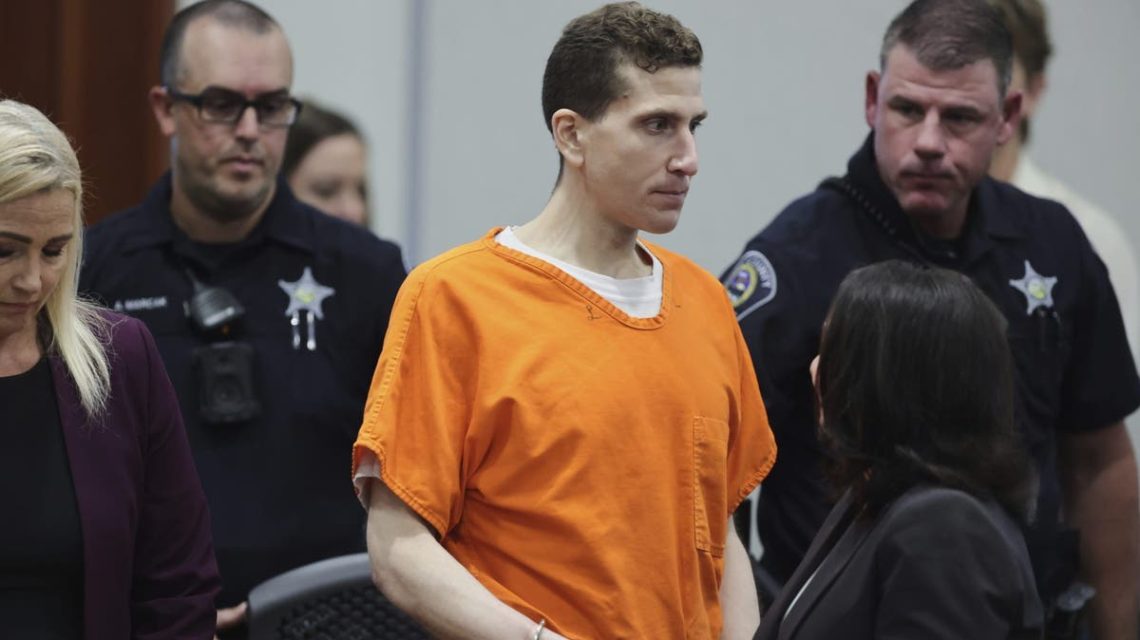
Legal Battle Over Plea Withdrawal
Idaho prosecutors are urging the court to reject Bryan Kohberger’s attempt to withdraw his guilty plea in the murder of four University of Idaho students. Prosecutors describe the defense’s arguments as unfounded and speculative. They stress that previous defense claims regarding Kohberger’s understanding of the legal proceedings do not substantiate the withdrawal of his plea.
Former federal prosecutor Jonathan Fahey discussed the ongoing legal strategies, assessing the state’s strong case against Kohberger and the implications for the victims’ families during the high-profile trial.
Defense’s Argument for Withdrawal
Kohberger’s former attorneys previously informed an Idaho judge that Kohberger had difficulties rationally understanding courtroom procedures and making crucial decisions related to his case. This included decisions such as whether to testify or accept a plea deal, as highlighted in recently unsealed court documents.
“There’s a serious issue that shows reasons why the plea might not have been accepted,” said Kohberger’s current attorney, Greg Rauch, to Fox News Digital.
Despite being initially filed under seal, these revelations suggest major concerns about Kohberger’s ability to process adverse rulings and their consequences. Rauch and the defense team were granted time in the summer to investigate Kohberger’s mental capacity during the course of the trial.
Evaluation of Kohberger’s Competence
The memo indicates that Kohberger had difficulties incorporating legal developments into rational assessments of the case outcomes. These were not used to argue incompetence, but to bolster claims of potential judicial bias.
Before the June 26 court hearing, according to Rauch’s documents, the defense sought additional time not only for evidence review but also to assess Kohberger’s mental capacity with expert help. Despite filing these concerns, the court did not find substantial grounds to delay proceedings further.
The judge, Steven Hippler, ruled against keeping certain documents sealed, noting the general nature of concerns regarding Kohberger’s comprehension.
Focus on Judicial Procedure
Judge Steven Hippler stated on Tuesday that the information in the memo did not qualify as intimate or protected, dismissing Kohberger’s arguments to keep the details private.
Kohberger’s former defense team, led by Anne Taylor, had requested a postponement for further inquiry into Kohberger’s understanding of the proceedings but their request was denied.
The court concluded there was no demonstration of prejudice or valid cause to adjust the trial schedule, despite alleged difficulties Kohberger faced with understanding the trial process.
Next Legal Steps
Within a week, Kohberger pleaded guilty to charges related to the November 2022 attack, where four young lives were lost.
Exploring post-conviction relief, Kohberger now aims to overturn the plea. Rauch argues the decision process behind the plea may involve critical unresolved factual issues, particularly concerning the time and expertise given to Kohberger for understanding his circumstances.
Kohberger’s new legal representation will soon seek to address key questions in court. They challenge the adequacy of time and assistance provided to him to ensure meaningful participation in plea decisions.
With multiple court dates scheduled, the case continues to evolve.
 Former Bank CEO Sentenced for Fraud and Sanctions Evasion
 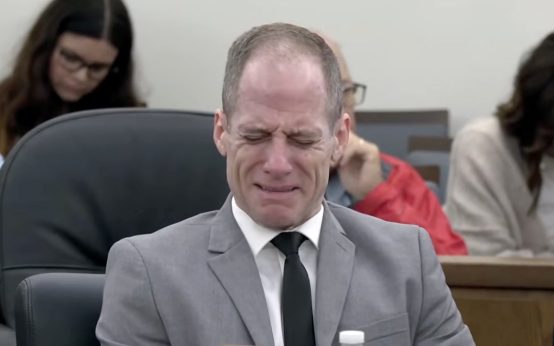 Ohio Murder Trial: Investigators’ Search for Missing Gun
 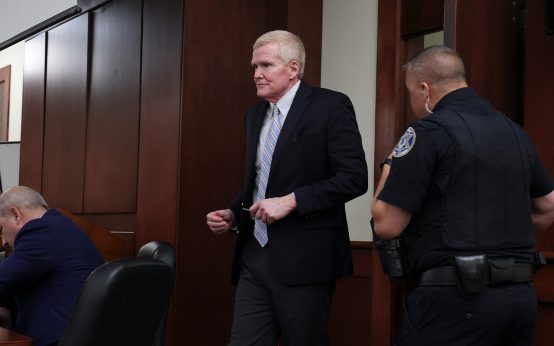 Alex Murdaugh’s Lawyers Demand Key Evidence Release
  Mississippi Grand Jury Rules No Charges in Nolan Wells Case
  Justice Served as Former Foster Facility Manager Sentenced to 30 Years
  Ex-‘American Idol’ Contestant Caleb Flynn’s Trial Illuminated by Texts