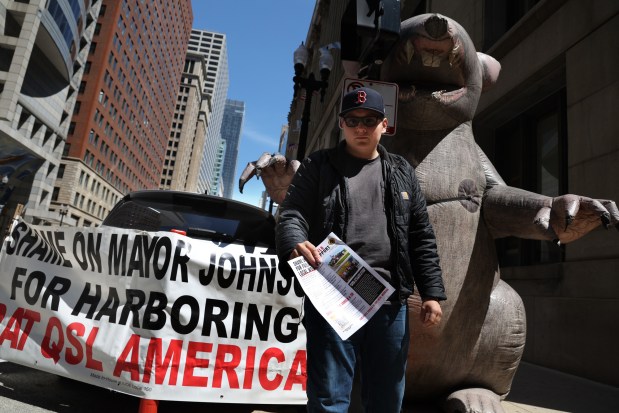
At Chicago’s Southeast Side near the mouth of the Calumet River, workers load and unload steel, sugar, and lumber from ships. This port acts as a hub for Chicago’s maritime economy, but labor disputes are unfolding with political consequences for Mayor Brandon Johnson. Johnson, a former labor organizer, faces political implications as he prepares for a re-election campaign. Two unions are contesting the representation of stevedores at the port operated by QSL America, a private firm using public port facilities.
Workers have been striking at QSL under the International Union of Operating Engineers Local 150 for over a year. However, other workers have continued working under a new agreement with the International Longshoremen’s Association (ILA). The ILA was recognized by QSL last year, sparking a legal review by the National Labor Relations Board (NLRB). Recently, Mayor Johnson’s meeting with ILA-supporting workers drew criticism from Local 150, who view the ILA workers as strikebreakers. Local 150 leaders criticized Johnson for siding with workers crossing their picket line, accusing him of hypocrisy.
Despite tensions, Johnson’s office insists he supports all workers, noting his administration engages with all dispute parties. While striking dockworkers picket daily, Local 150 argues QSL’s recognition of ILA was an underhanded move, whereas the ILA claims majority support among dockworkers. The new contract they negotiated includes hourly raises, enhanced health insurance, and safety measures. The Chicago Federation of Labor advocates for the strikers, stressing workers’ rights to organize without employer manipulation.
Legal complexities underpin the union dispute. Local 150 claims safety issues drive their strike, stating that working conditions under QSL are inadequate. In response, QSL representatives deny allegations, highlighting their commitment to safety, while ILA representatives laud their contract’s safety improvements. The unions dispute who started organizing the port workers first, each accusing the other of unsavory motives.
Despite Local 150’s strike initiation, workers never voted in a union election. According to QSL, a neutral third party confirmed ILA had majority support. Labor experts stress that workers deserve the right to choose their union representation aligned with their interests.
As political endorsements shape Chicago’s labor movement, candidates like Alexi Giannoulias may challenge Johnson in the next mayoral race. The ongoing labor dispute illustrates the ideological diversity within Chicago’s organized labor faction as the city approaches pivotal elections.
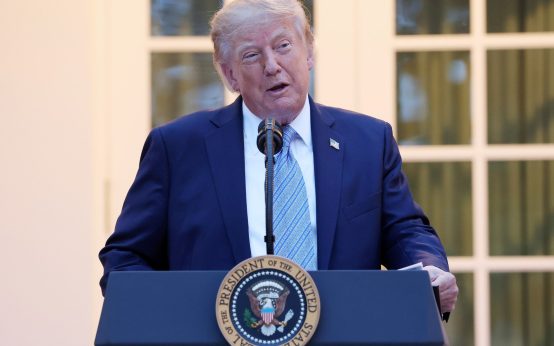 House Races Shift Amid Democratic Momentum
 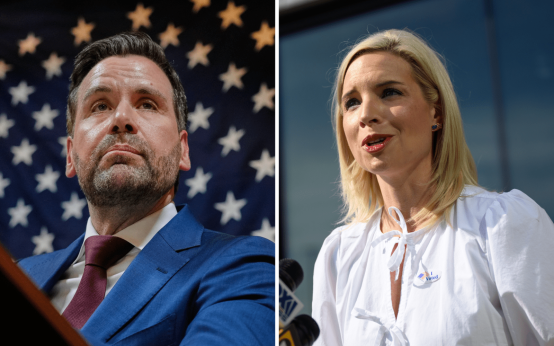 Iowa Senate Race: Marist Poll Shows Democrat Josh Turek Leading Republican Ashley Hinson
 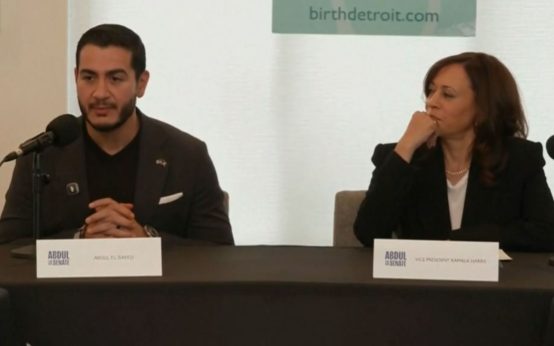 Kamala Harris and Abdul El-Sayed Campaign Together in Detroit
  Challenges Facing the Supreme Court’s Public Perception
  California Democratic Aide Arrested for Visa Overstay by Federal Authorities
  Experts Doubt Export Ban Will Lower Fuel Prices