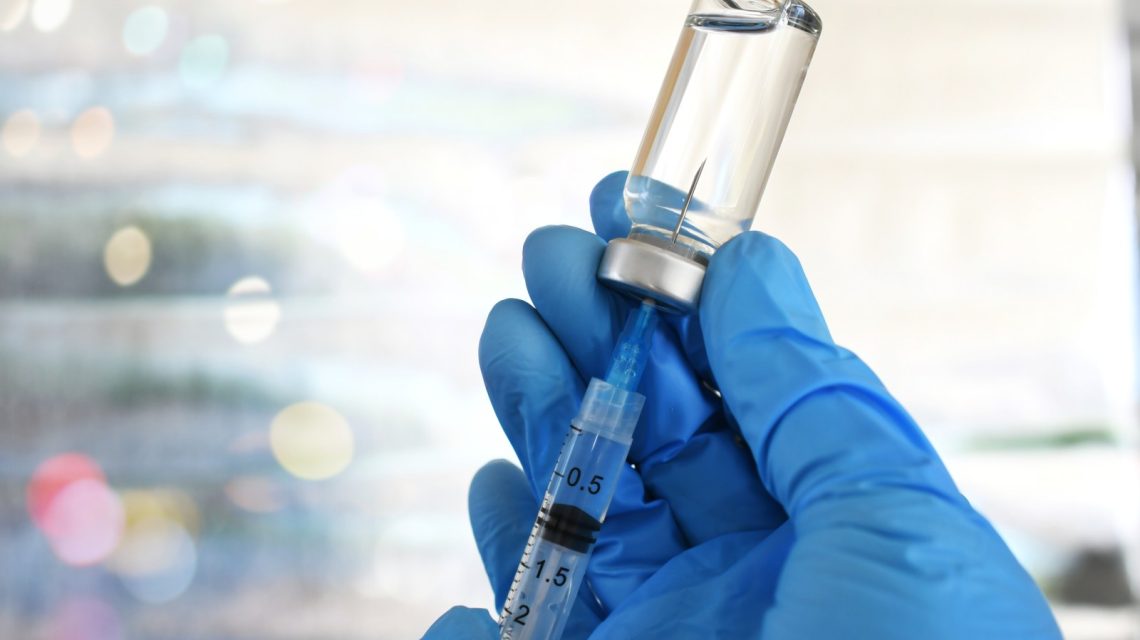
Almost half of Americans question the science behind childhood vaccines, despite decades of evidence proving their safety. Trial lawyers are exploiting this uncertainty by filing unwarranted lawsuits against vaccine manufacturers known for strong safety records. These cases often end in defeat or minimal settlements, but the mere public attention they receive damages trust in vaccines and fuels further litigation. This cycle negatively impacts public health.
Consider the human papillomavirus (HPV) vaccine, which significantly reduces the risk of cervical cancer, the leading cause of such cancer. Some nations are nearing the elimination of HPV-related cancers due to widespread vaccination. Australia is on track to eliminate cervical cancer by 2035. In the U.S., despite the vaccine’s success, lawyers continue to challenge its safety. Even when claims are baseless and the cases are dismissed, the damage to public trust persists.
Most Americans aren’t privy to the specifics of these cases. Headlines alone can create doubt about vaccine credibility, especially when a lawsuit is involved. This skepticism grows as misinformation spreads, guidance from federal health authorities shifts, and statements from the current Department of Health and Human Services (HHS) leaders question established science. The result is dangerously low public trust in vaccines.
Forty percent of parents remain uncertain about common false claims such as the misconception linking the measles, mumps, and rubella vaccine to autism. Confusion contributes to declining vaccination rates, leading to outbreaks of once-eradicated diseases. In 2025, the U.S. reported over 2,200 measles cases, with 11% hospitalized and three fatalities, including two children. Similar outbreaks of whooping cough and other preventable diseases continue, causing avoidable suffering and hospitalizations.
Congress created a solution to these lawsuits decades ago. In the 1980s, a surge of civil lawsuits claimed that the diphtheria, pertussis, and tetanus vaccine caused severe injuries, leading to vaccine production halts due to litigation threats. Congress responded with the Vaccine Injury Compensation Program (VICP), allowing those who believe they were harmed by a vaccine to seek government review and potential compensation without courtroom battles.
The VICP minimizes legal costs and discourages meritless lawsuits that could threaten vaccine innovation and production. Some lawyers are bypassing the VICP and filing civil suits, encouraged by skepticism and mixed messages from current HHS leadership. These civil cases have not succeeded since the VICP’s inception, but the potential for large damages and contingency fees drives legal actions. These efforts undermine public trust, exposing millions to preventable diseases.
Reinforcing Congress’s protections against frivolous lawsuits is necessary. The justice system should not enable strategies that weaken public health. Clear recognition of this tactic is vital, especially amid HHS’s contradictory messaging. Protecting public health demands rejecting unwarranted lawsuits that endanger lives.
Dr. Jerome Adams served as the 20th U.S. Surgeon General during the first Trump administration (2017-21).
The opinions presented are those of the author.
 Upcoming Concerns and Influence in Health Politics
  Fraud Task Force Saves Billions by Tackling Obamacare Misuse
  Presley Gerber’s Passing Raises Addiction Recovery Concerns
  Understanding October SNAP Benefits: Payment Dates and Changes
  Managing Distress and Discomfort Effectively
  Trump Administration Seeks to Influence NIH Grantmaking